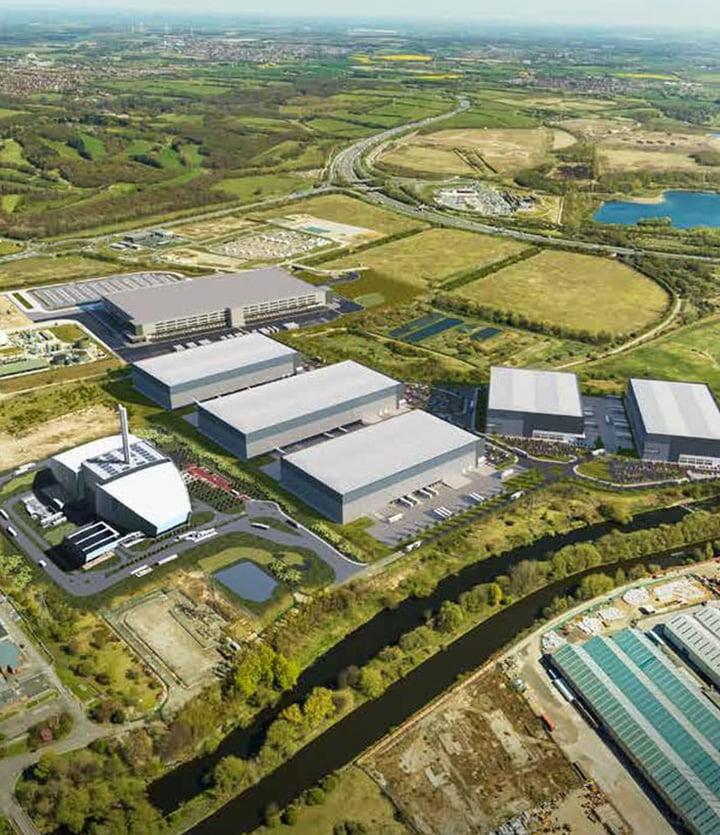
Critical infrastructure, properly engineered. Whether it’s fuel storage and distribution, energy generation, or the civil works that make it all function, there’s no room for guesswork. We provide civil engineering for energy projects where safety, regulatory compliance, and long-term operation are non-negotiable.
Energy and fuel infrastructure plays by different rules. Regulations are tighter, environmental controls are stricter, and issues like containment, access and emergency planning aren’t optional – they’re fundamental. As civil energy engineers, we work on fuel facilities and energy infrastructure where the civil works underpin everything else.
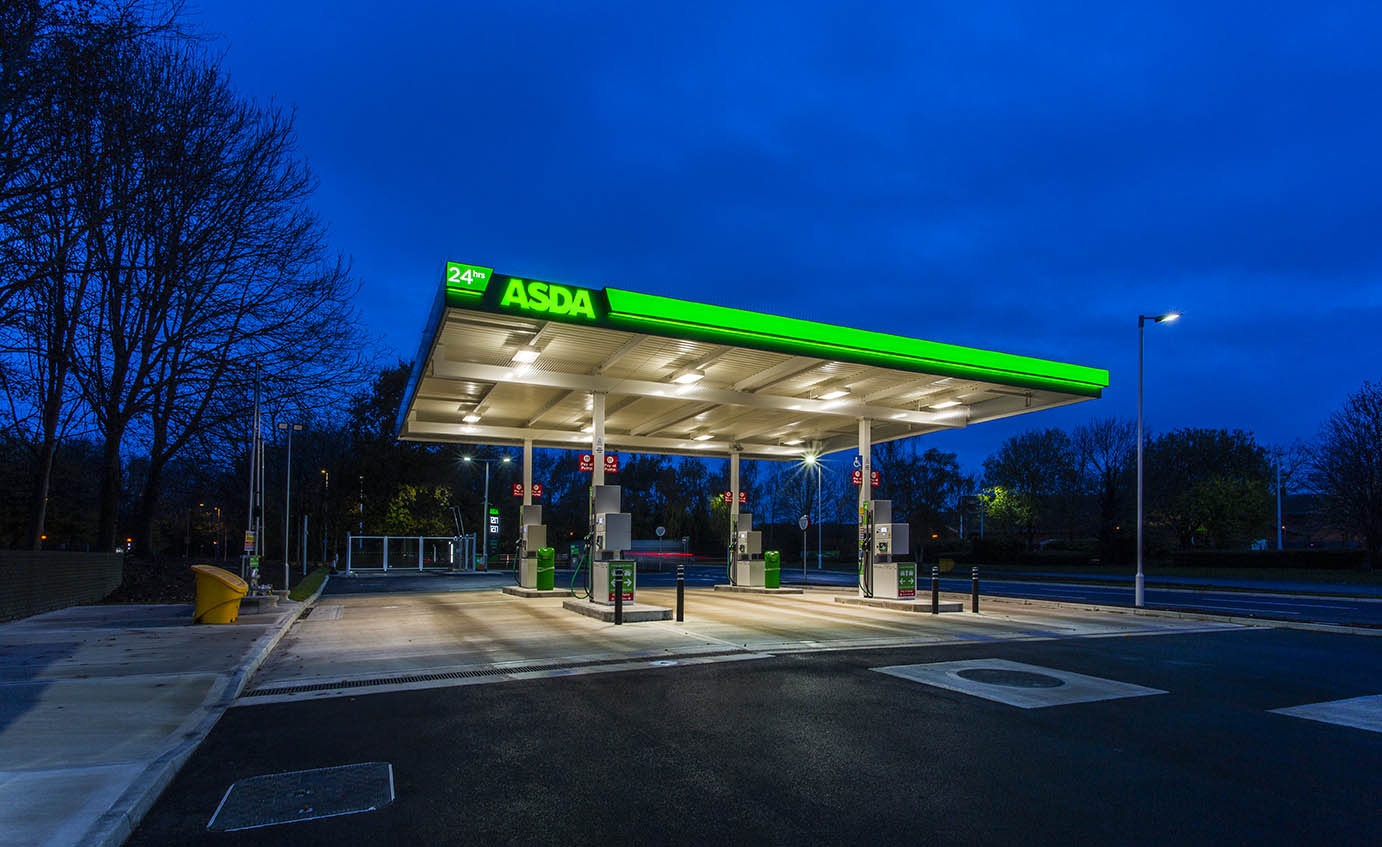
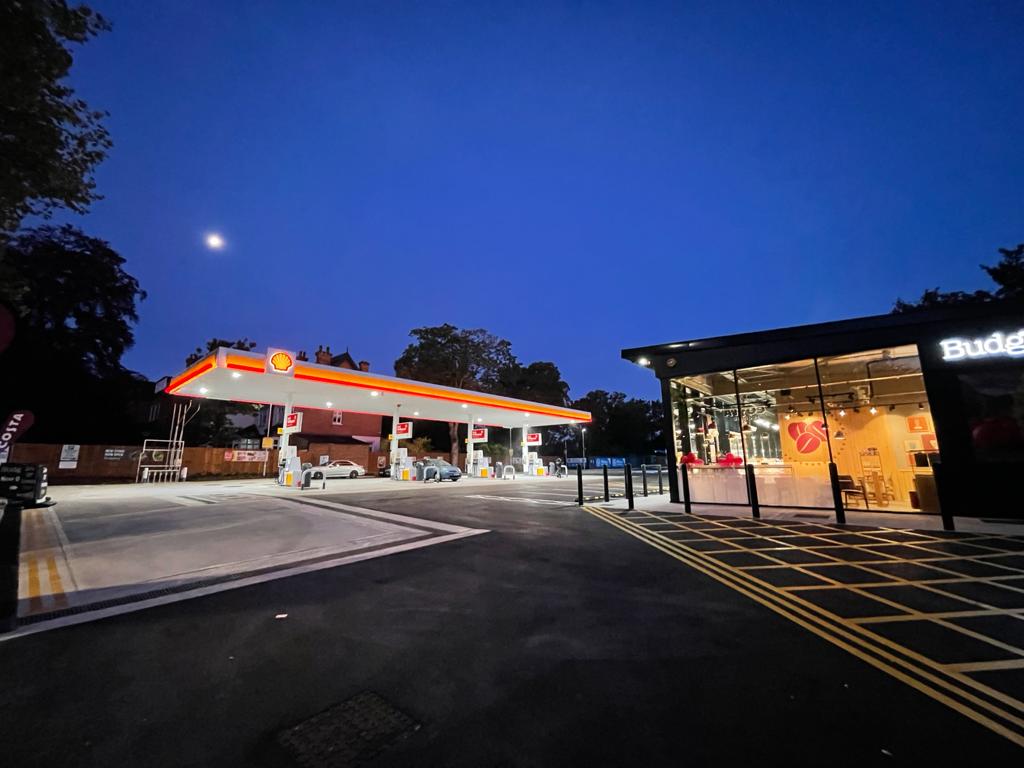
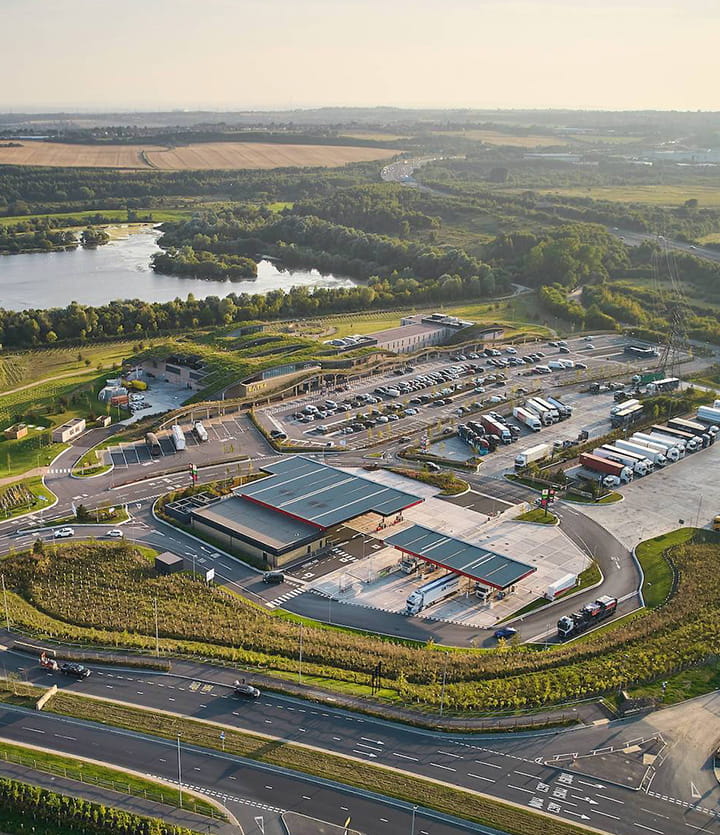
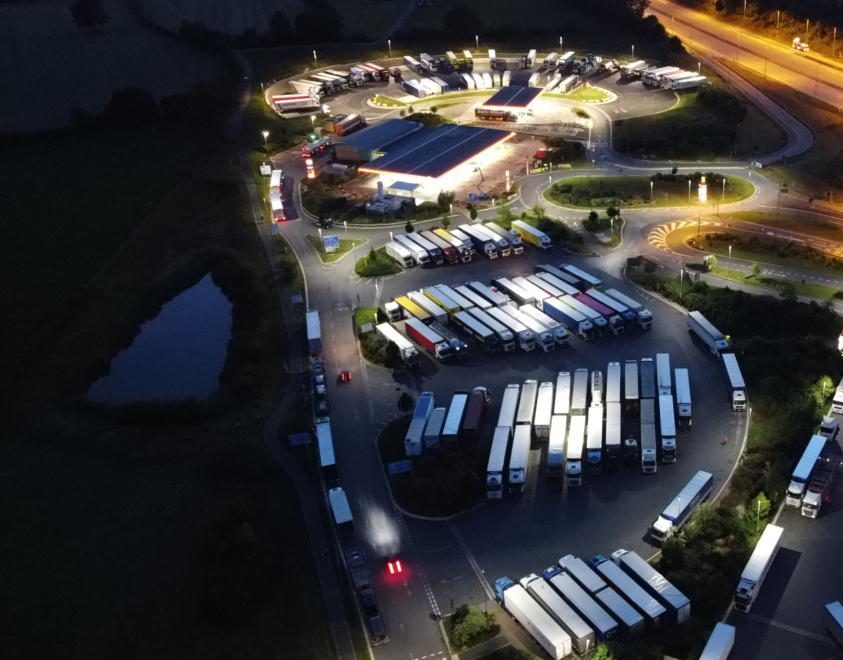
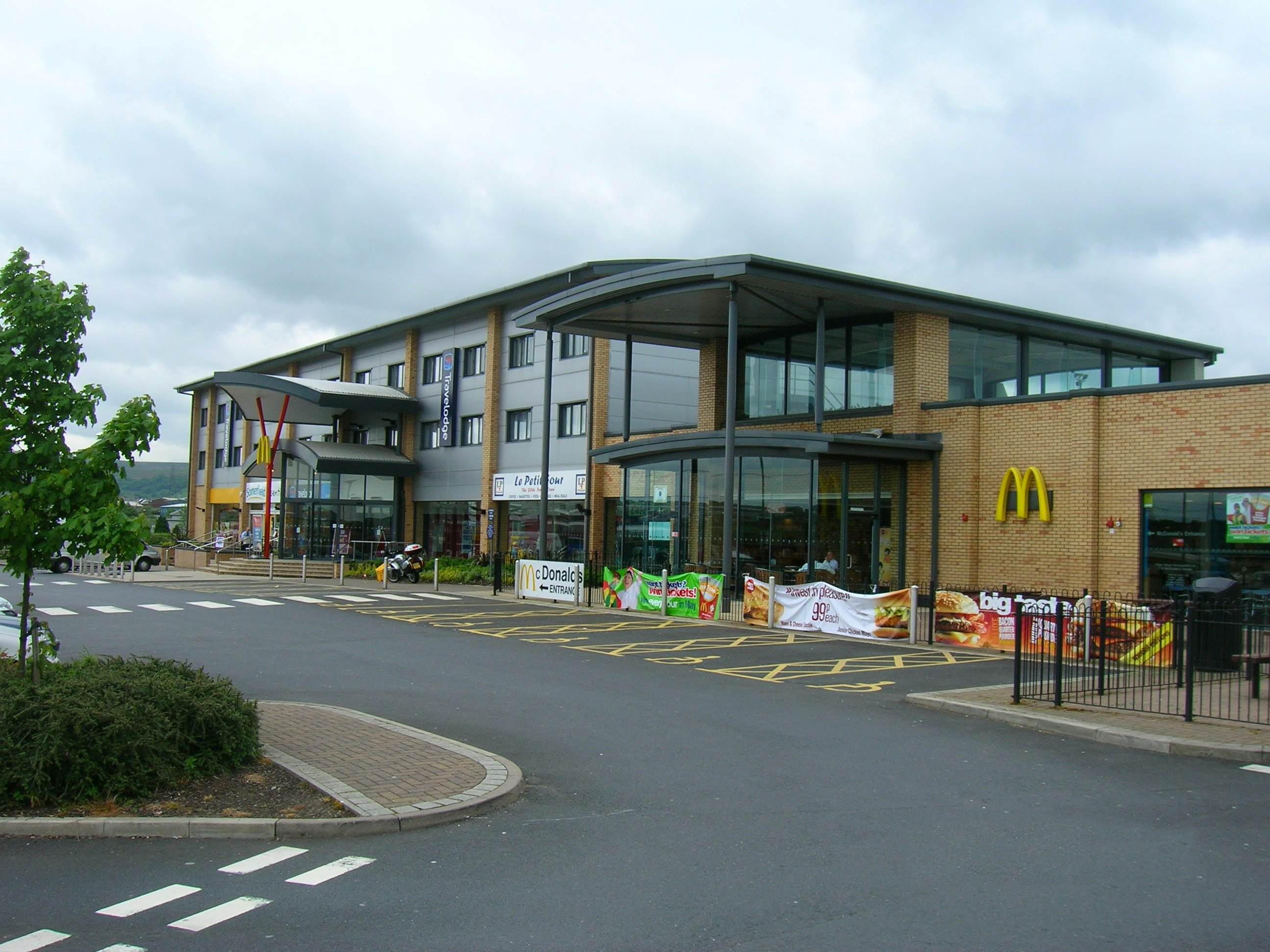
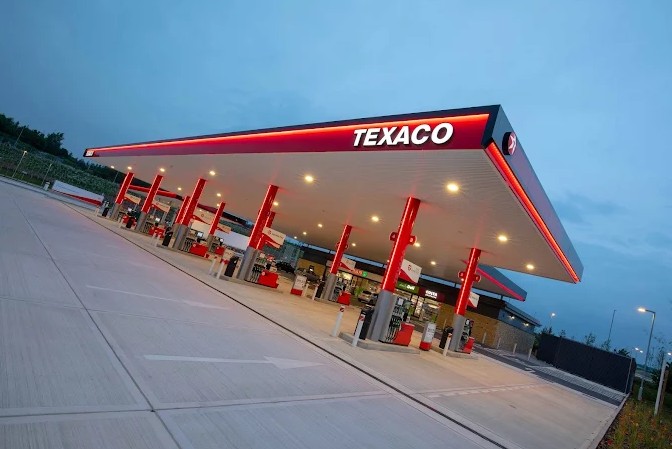
Our role covers the full site-wide picture: groundworks, drainage, containment systems, access roads and external works, all carefully coordinated with tanks, pipework, fuel systems and operational requirements. From motorway service areas and fuel retail sites to energy facilities and industrial infrastructure, we design civil engineering that’s built properly, works safely and keeps performing long after handover.
We don’t just design civil works – we navigate the regulatory landscape that comes with energy infrastructure. We work with operators, environmental consultants and regulators to ensure designs meet all the necessary standards while remaining practical to build and operate. Because a perfectly compliant design that costs twice the budget or can’t be maintained isn’t much use to anyone. This includes:
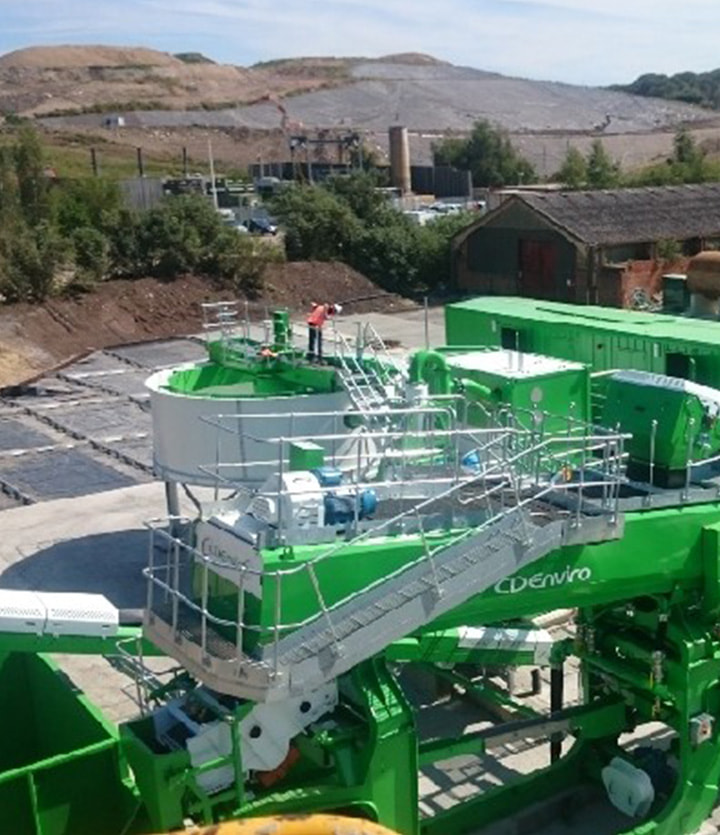
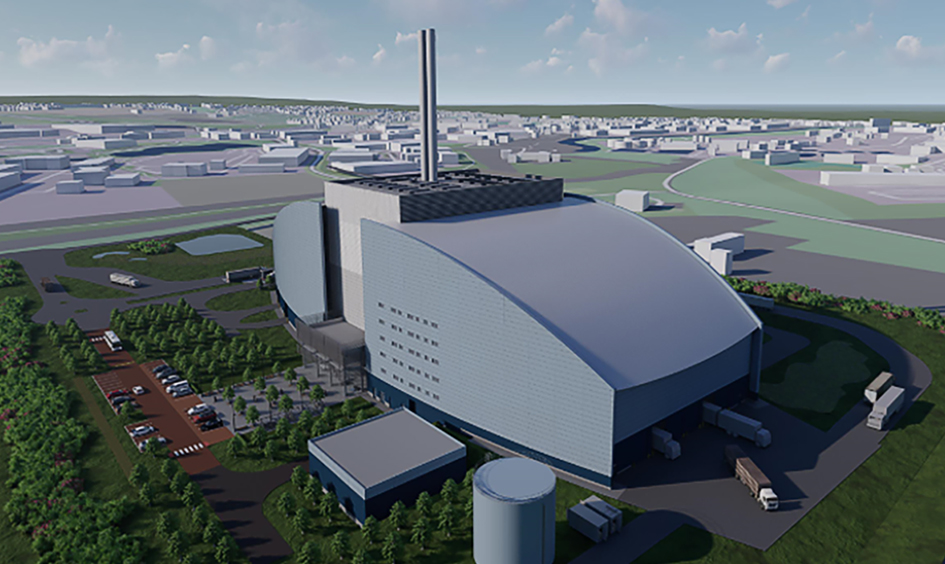
We work on a wide range of energy and fuel schemes where civil engineering has to do far more than meet a drawing standard – it has to support safe, compliant, day-to-day operation. This means our projects span:
Energy sites demand engineering that’s measured, informed and grounded in how facilities actually operate. Clients choose Dudleys for our hands-on experience in civil energy engineering, our clear, proportionate designs shaped around safety and operational needs, and our strong understanding of regulatory and environmental requirements.
We provide steady, practical support from early design and approvals through to construction delivery – helping complex energy infrastructure get built safely, compliantly and without unnecessary complication.
A civil engineer designs and coordinates the civil elements for energy and fuel sites – groundworks, drainage, containment, access, external works. Essentially, they do a lot of behind-the-scenes work to make sure the scheme is safe, compliant with regulations and functions operationally for the long term.
Ideally, a civil engineer be involved at the earliest possible stage as they can help to identify site constraints before they become problems, and help manage environmental and regulatory considerations. By shaping layouts and infrastructure early on that guarantees safe construction.
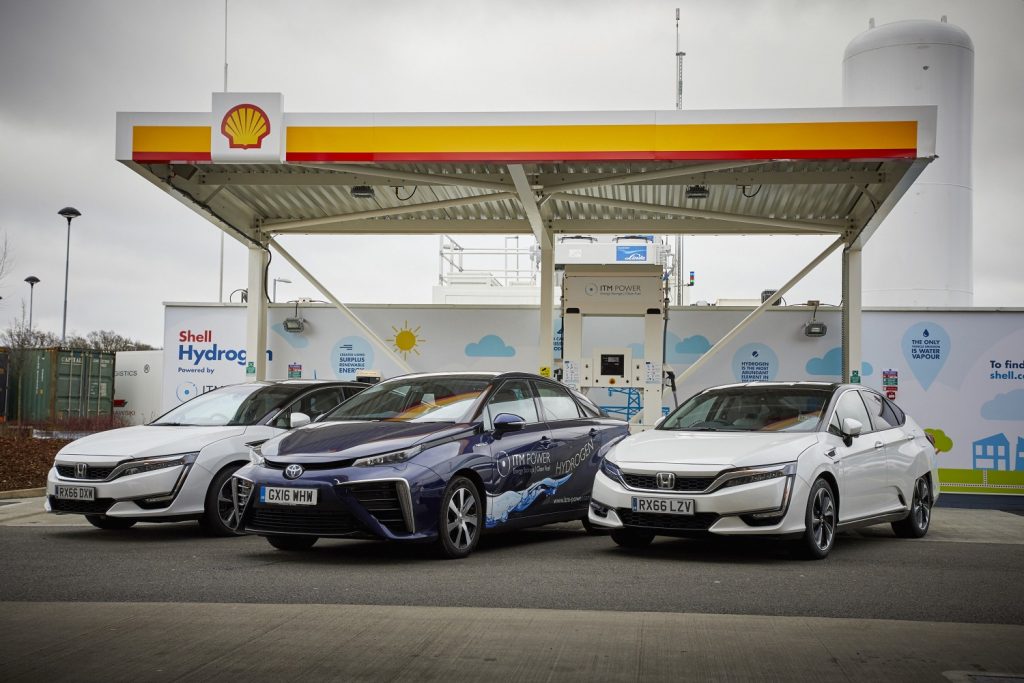
Yes, Dudleys has longstanding experience supporting fuel-related developments, including the associated civil works that underpin safe and reliable operation. We work alongside specialist system providers to coordinate groundworks, containment, drainage and access, ensuring everything integrates smoothly with the wider site infrastructure. Our focus is on helping fuel facilities function as intended from day one, while remaining straightforward to operate, inspect and maintain over the long term.
Absolutely, we provide ongoing technical support during construction, working closely with contractors and site teams to resolve challenges and maintain momentum on site.
Yes, our clients range from fuel retailers and motorway service operators to supermarket developers. We understand that each site comes with its own unique challenges and operational needs, so we tailor our engineering solutions specifically to suit those requirements.
Compliance is non-negotiable, but so is practicality. We focus on proportionate, well-judged solutions that meet regulatory requirements without unnecessary complexity, helping clients manage cost, programme and long-term operation.
Yes. Many of the projects we support involve live sites that need to remain operational during works. We consider phasing, access, temporary works and safety measures to minimise disruption and maintain compliance throughout construction.
Containment is a critical part of energy and fuel infrastructure. We design containment systems that protect ground and watercourses, meet regulatory requirements and remain inspectable and maintainable over the life of the site.