Fuel
20+ years experience. 500+ petrol stations designed. That’s the Dudleys advantage – steady, experienced engineering that gets it right first time, protects your budget and keeps operations running smoothly.
20+ years experience. 500+ petrol stations designed. That’s the Dudleys advantage – steady, experienced engineering that gets it right first time, protects your budget and keeps operations running smoothly.
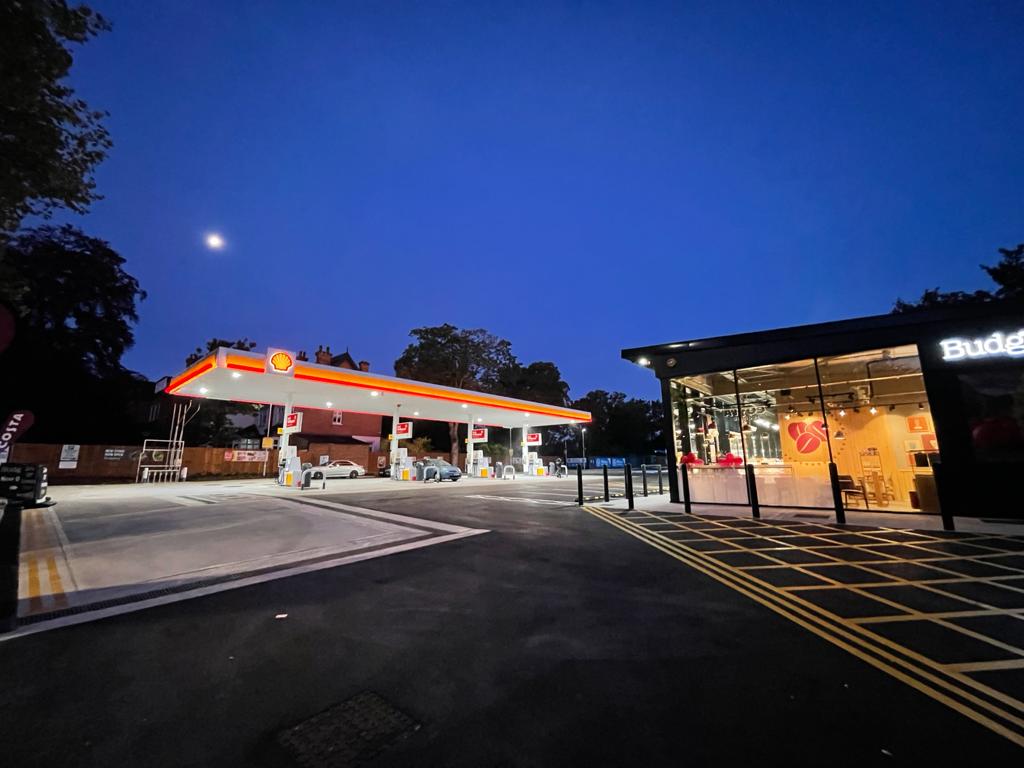
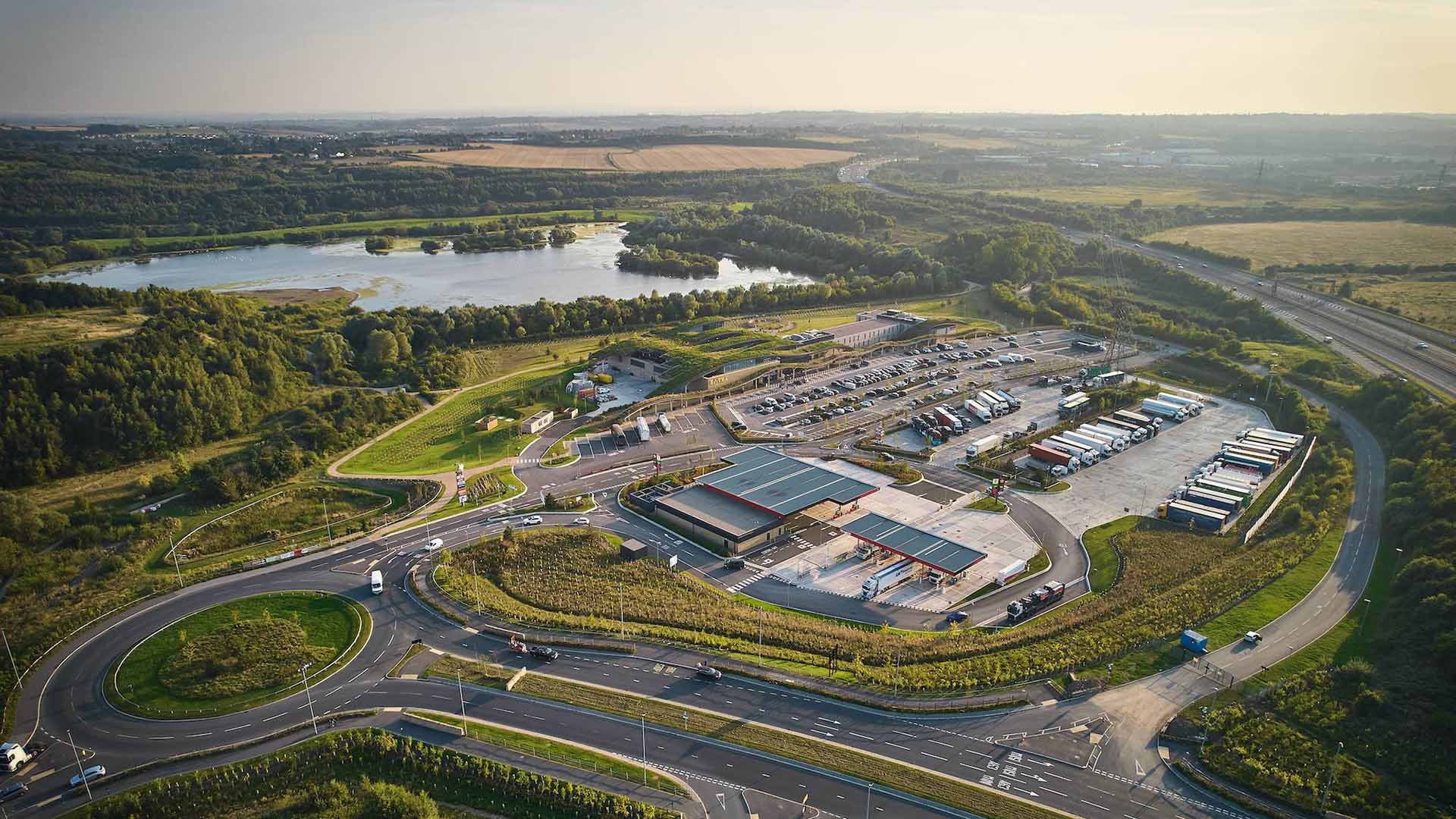
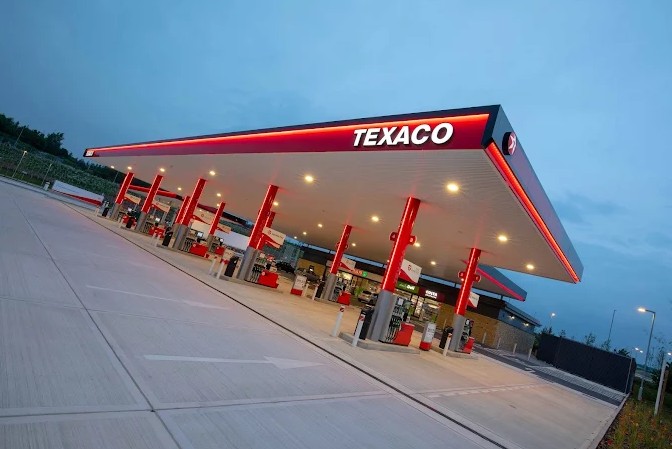
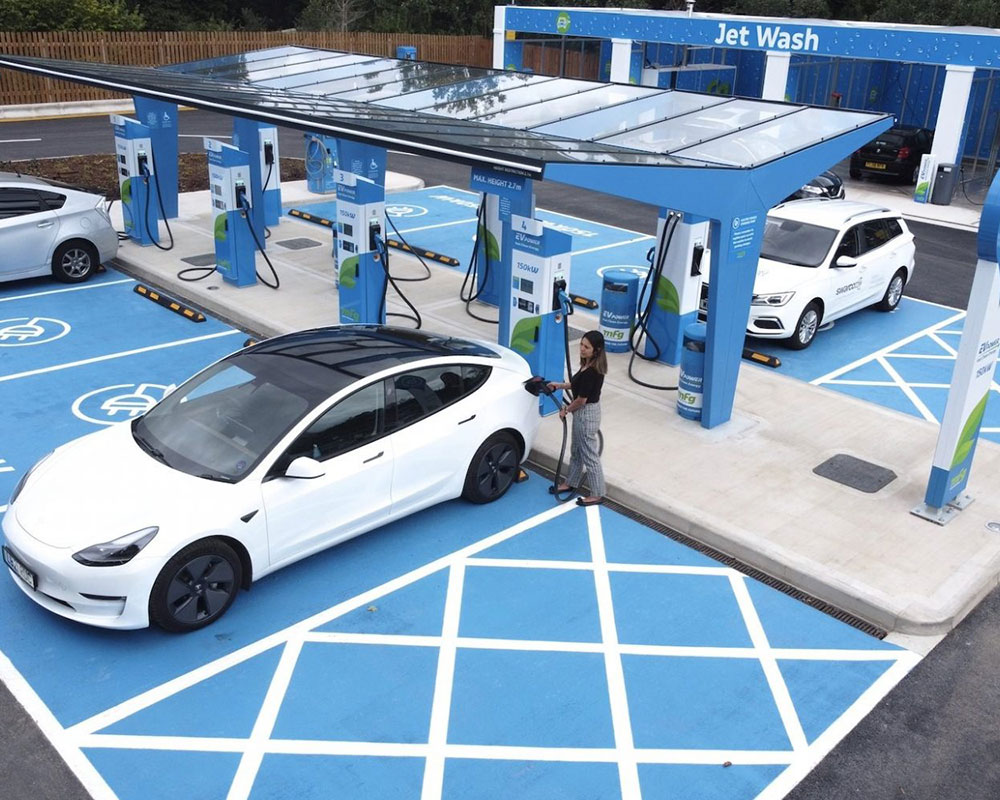
Fuel sites are complex. Tanks, pumps, drainage, containment, canopies, shop buildings, access for tankers and customers – and it all needs to work together safely, comply with tight regulations and keep operating without constant maintenance headaches. And every fuel site’s different. An independent forecourt has different constraints to motorway services. A supermarket petrol station operates differently to a roadside truck stop. And adding EV charging to an existing site brings a whole new set of challenges – power supply, layout changes, drainage modifications, structural implications.
As fuel engineering consultants, we start by understanding what’s already there – existing structures, ground conditions, drainage, services, contamination – then work out what’s needed to make the development work. That might be a full forecourt redevelopment, adapting an existing site for EV charging, or designing new fuel infrastructure from scratch.
Early involvement means we spot the problems before they become expensive: drainage that doesn’t work with the proposed levels, access that won’t accommodate fuel tankers, ground conditions that need addressing, existing services that clash with new infrastructure.
We work across all the civil and structural elements to make sure they function together – not just individually. That means coordinating with specialist fuel system providers, MEP engineers, environmental consultants, and statutory authorities to deliver infrastructure that’s compliant, buildable and operational. That involves containment design, pollution prevention, statutory approvals, including EA permits, Building Control and planning conditions.
We stay involved through construction – because fuel projects always have challenges. Ground conditions that weren’t expected. Existing services that aren’t where the drawings said. Phasing complications on live sites. We provide responsive support to keep things moving and sort problems quickly.
After all, fuel infrastructure often involves working on live, operational sites. Petrol stations that can’t close and service areas that need to stay open. We design civil works that can be constructed in phases, minimising disruption and maintaining safety throughout. And that’s why we’re a first-choice for many.
Clients choose Dudleys because our engineering is grounded in real fuel sector experience. We understand how drainage, containment, access, tanker movements and forecourt operations all interact – and we design with that full picture in mind.
We’ve done this hundreds of times. We know what works, what regulators want to see and how to deliver fuel infrastructure that operates reliably from day one. Let’s chat today.
A fuel engineering consultant provides technical guidance on the civil and structural aspects of fuel sites – including assessing existing conditions, advising on forecourt layout, and coordinating drainage, access and external works so that facilities can be built and operated safely.
Absolutely! As forecourts evolve, we help integrate EV charging, battery storage and upgraded infrastructure into existing or new layouts. That often means reviewing power supply routes, drainage adjustments, structural considerations and access changes – ensuring the site remains safe, efficient and future-ready without disrupting day-to-day operation.
We advise getting engineering input as early as possible. Getting engineering input at the feasibility stage helps identify constraints, inform layouts and avoid costly changes during later design stages or on site.
Yes, we offer continuous assistance throughout construction, collaborating closely with contractors and site teams to address challenges promptly and keep the project on track.
Yes. We regularly coordinate with environmental consultants and regulators to ensure civil works meet EA requirements, pollution prevention standards, planning conditions and fire safety considerations. Our aim is to make compliance straightforward, not a drawn-out battle.
Containment and drainage are critical on fuel sites. We design systems that control runoff, manage spill risk and protect surrounding land and watercourses – balancing environmental responsibility with practical buildability.