Energy from Waste
Turn waste into power – with infrastructure designed to perform for decades. Energy from waste projects are complex and high-stakes, but with experienced renewable energy engineers on your side, they don’t need to be complicated.
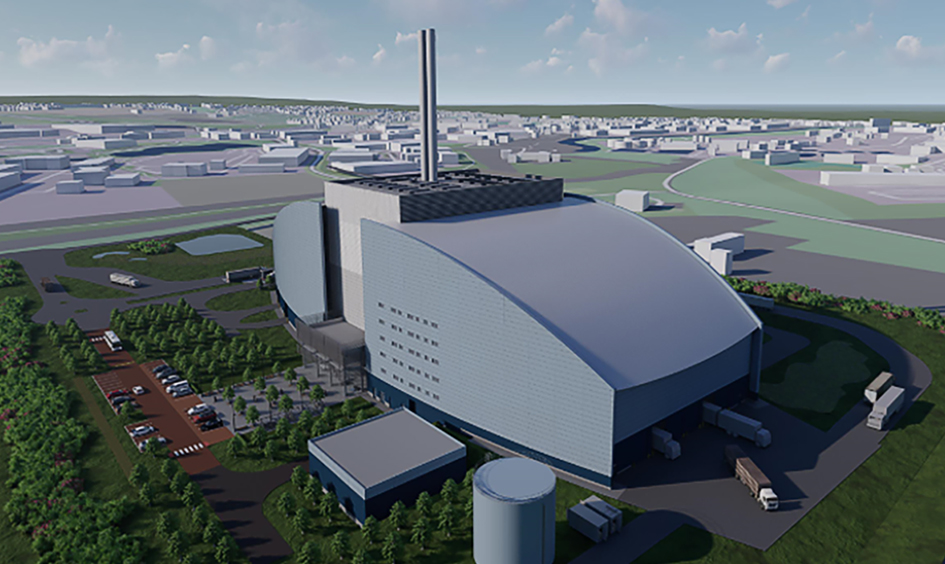
Turn waste into power – with infrastructure designed to perform for decades. Energy from waste projects are complex and high-stakes, but with experienced renewable energy engineers on your side, they don’t need to be complicated.
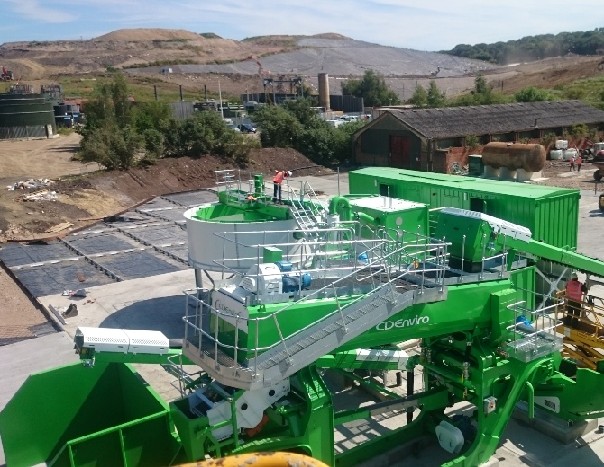
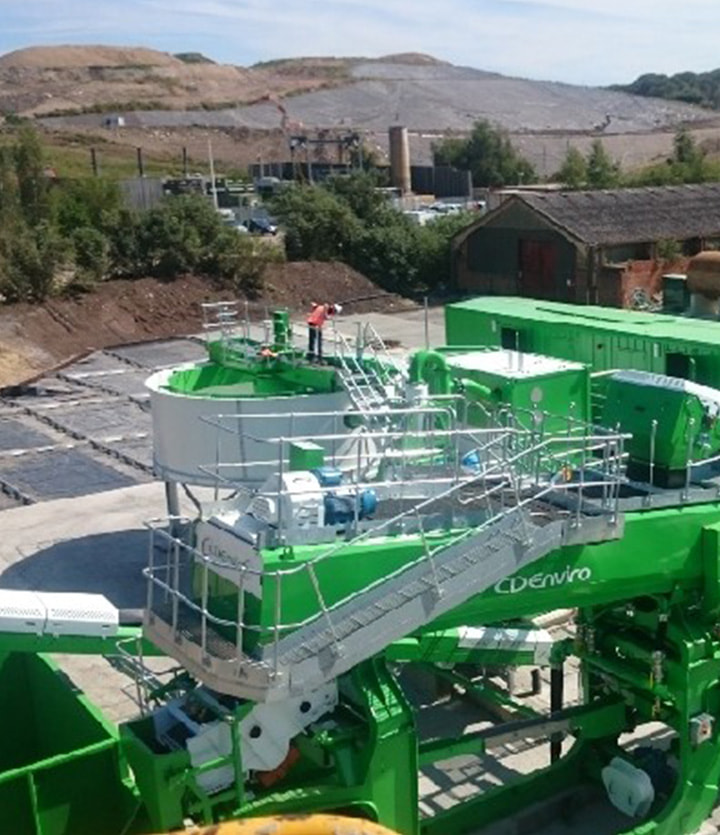
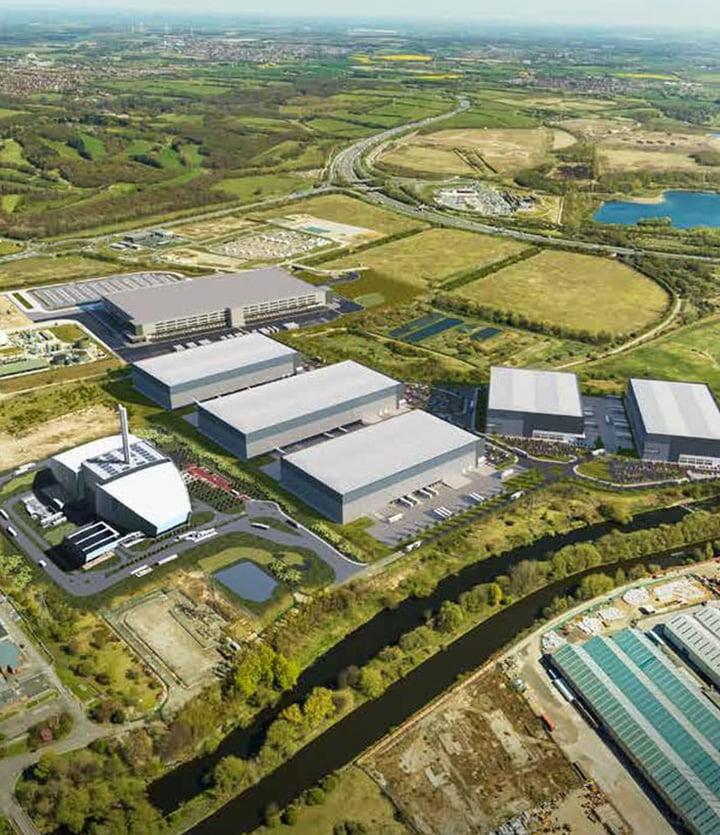
Waste-to-energy plants aren’t standard industrial buildings. The loads are different – heavy process equipment, overhead cranes, storage bunkers. The operational demands are intense – continuous high-temperature processes, aggressive environments, constant vehicle traffic. And the regulatory scrutiny is relentless – Environment Agency permits, pollution control, fire safety, planning conditions.
As waste-to-energy engineering consultants, we design the infrastructure that makes these facilities function. We coordinate with process engineers, environmental consultants, MEP designers and equipment suppliers to make sure the design supports the operational requirements. Because a facility that works on paper but can’t handle the actual loads, movements or environmental conditions isn’t going to last.
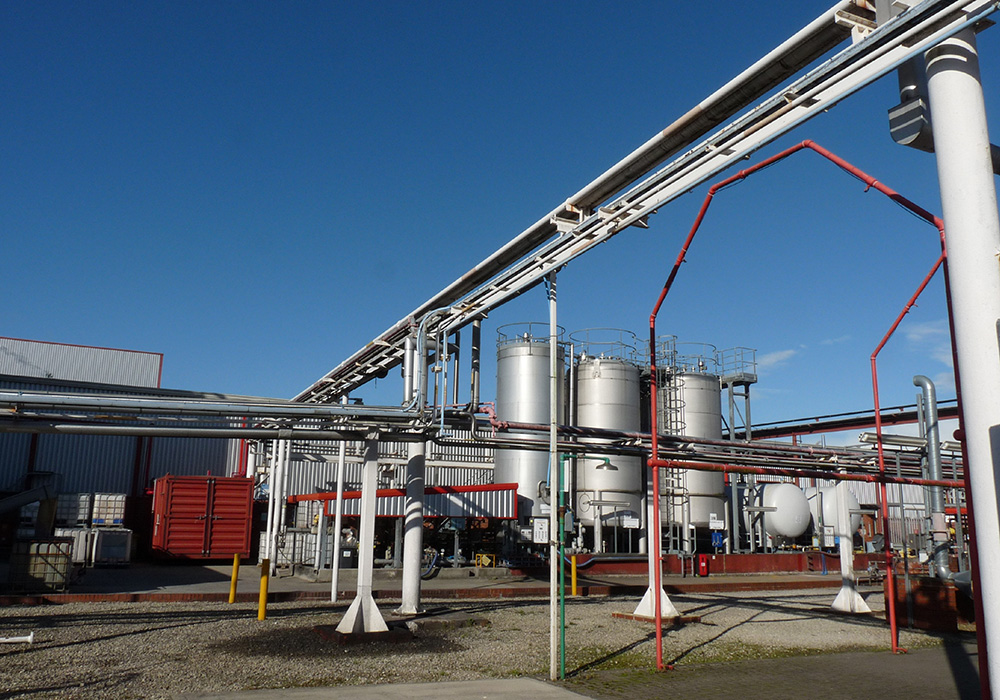
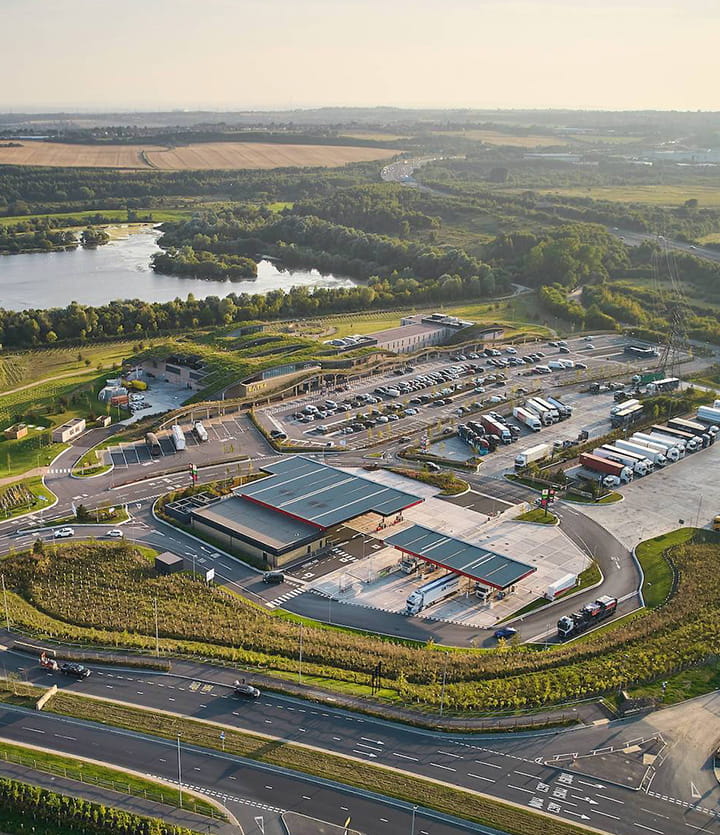
Between constant heavy vehicle movements, aggressive chemical environments and high temperatures, waste-to-energy plants take a hammering. And it all needs to keep working with minimal downtime – because every day offline costs serious money. We design for durability and long-term performance, not just initial compliance, using robust materials and meticulous plans.
Plus, the sites can be challenging to even begin working on. Brownfield land, contaminated ground, constrained access and existing operations that can’t stop mean we always assess site conditions early and design solutions that work with those constraints.
Energy and waste schemes aren’t straightforward. They’re operationally intense, heavily regulated and built to run hard for decades. That’s exactly why civil and structural engineering has to be properly thought through from day one.
We’ve delivered engineering across:
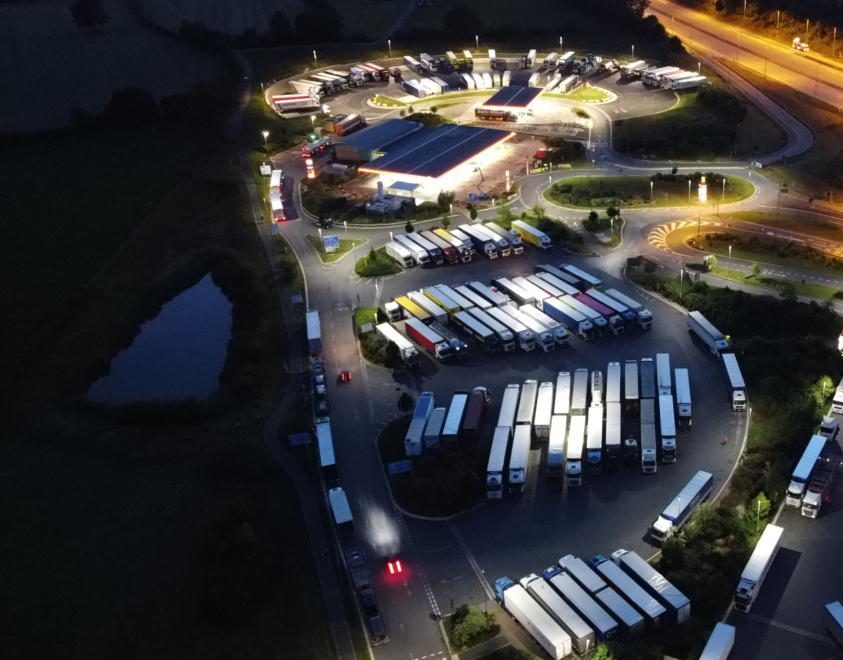
Our involvement can span the full journey, or we can step in where specialist input is needed. However, on any of these projects, details matter. Think HGV tracking, fire tender access, containment strategy, surface water management, permitting and more. But we’ve got experience across the entire process, so you’re in good hands with us.
We understand the pressures these projects carry – technically, commercially and environmentally. Our role is simple: provide clear, proportionate engineering that stands up to scrutiny and keeps performing long after commissioning day.
A renewable energy engineer designs and coordinates the civil and structural components that allow renewable and waste-to-energy facilities to function safely and reliably. This includes shaping foundations, access, drainage, containment and supporting structures so they work seamlessly with specialist process equipment and environmental systems. At Dudleys, our role goes beyond technical compliance, we focus on how these facilities are built, operated and maintained, helping clients deliver energy infrastructure that can be used efficiently, meets regulatory requirements and continues to work well long after commissioning.
Getting engineers involved early gives projects breathing space. It allows us to properly understand the site, challenge layouts before they’re fixed, and resolve environmental and technical issues while there’s still flexibility in the design. That early clarity helps avoid unnecessary redesign, reduces risk on site and makes the journey from planning to construction far more straightforward.
Yes, as experienced waste to energy engineering consultants, we’ve supported numerous projects integrating civil works, containment, drainage, and access to external works alongside mechanical, electrical and environmental infrastructure. Our approach is calm and methodical, helping teams resolve interfaces early and deliver solutions that function reliably in practice.
Absolutely, we stay closely involved during construction, working alongside contractors and site teams to respond to queries, resolve on-site challenges and adapt details where needed. That ongoing input helps maintain progress, manage risk and ensure the built outcome reflects the intent of the design.
Energy from waste projects operate under strict environmental controls. We work alongside environmental consultants and regulators to ensure drainage, containment, pollution prevention and site infrastructure meet EA requirements, planning conditions and best-practice standards – without creating unnecessary complexity.
Yes. Many energy facilities are delivered on previously developed or industrial land. We assess ground conditions, contamination risks and remediation requirements early, shaping practical civil engineering solutions that are safe, compliant and commercially viable.