Healthcare Structural Engineering

Healthcare buildings don’t get a second chance – so we engineer them right first time, delivering safe, compliant infrastructure that supports patient care, protects staff and keeps critical services running without interruption.

Your trusted healthcare structural engineering consultants

Healthcare buildings aren’t like other projects. The structural tolerances are tighter – floor deflection matters for diagnostic equipment, ceiling structures need designing for hoists and medical equipment, vibration control is critical around operating theatres and imaging suites.

The MEP coordination is more complex – dense services, critical plant, backup systems, infection control requirements. And operational continuity is non-negotiable – you can’t just shut a ward or an A&E department for six months.As healthcare structural engineering consultants, we design foundations, frames, floors, and supporting structures that meet the specific demands of clinical environments.
Built to adapt, not just to work in the short-term

Healthcare facilities evolve. New equipment arrives. Clinical practices change. Departments get reconfigured. And none of it can wait for a convenient closure window – because there isn’t one.

We design structural and civil infrastructure with adaptability in mind. That means floor loadings with headroom for future equipment changes, ceiling structures that can accommodate reconfiguration, access and circulation that works for patients, staff and emergency services, and external works designed around ambulance access, deliveries and site logistics.

After all, everything needs to be planned around how people really use these environments – it’s no good just designing what ‘feels’ right.

Engineering healthcare environments that can’t afford to fail

Healthcare buildings carry more than structure, they carry responsibility. From acute hospitals to specialist care facilities, these projects demand coordination and an understanding that services must keep running, no matter what.

We’ve supported a wide range of healthcare schemes, including:

  • Hospitals and acute care facilities
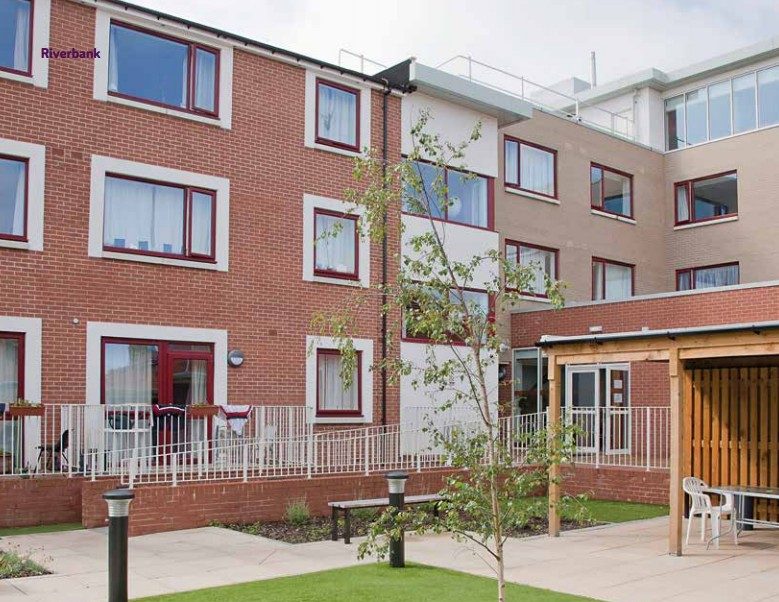
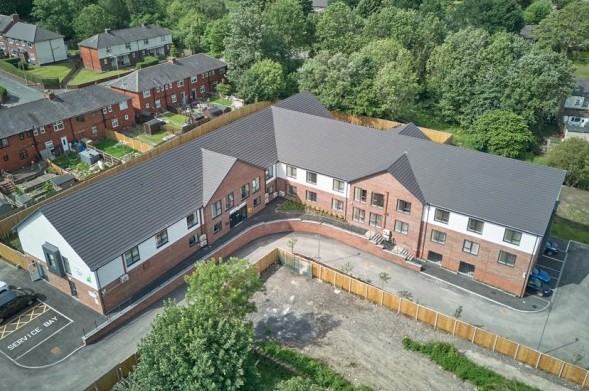
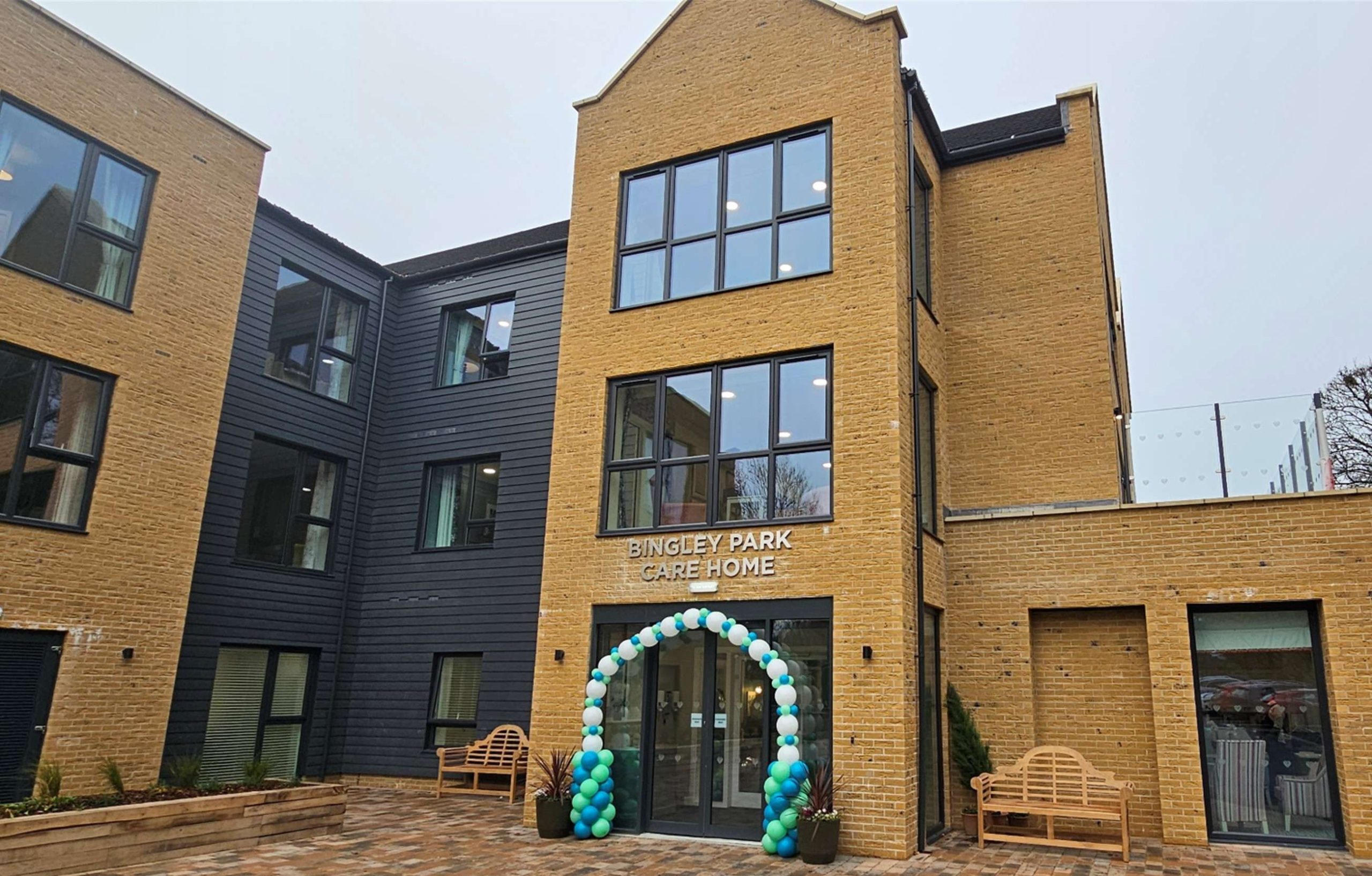
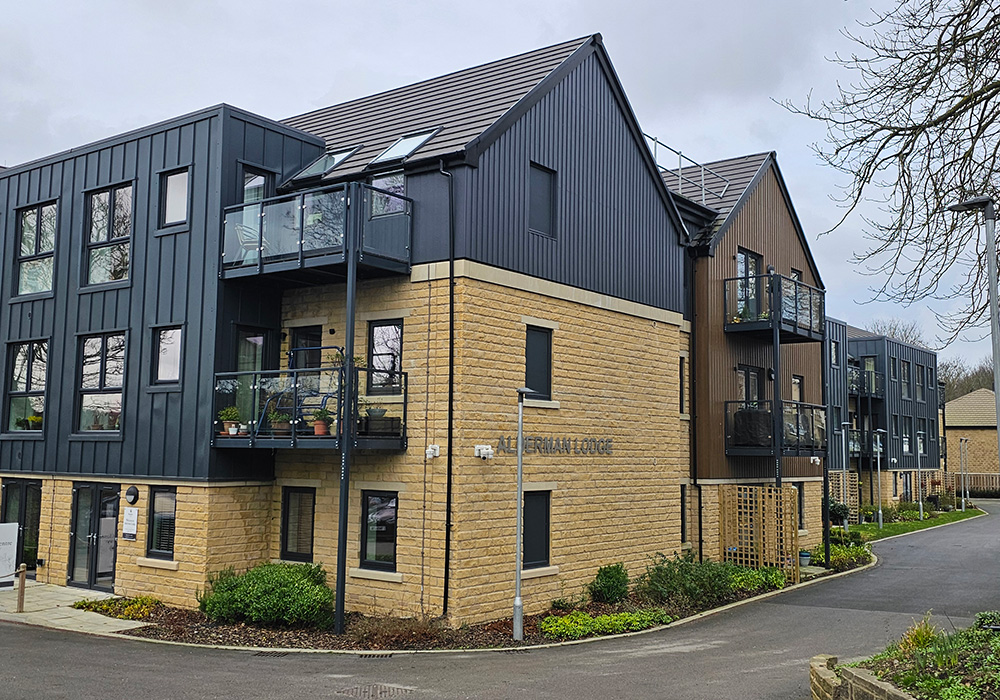
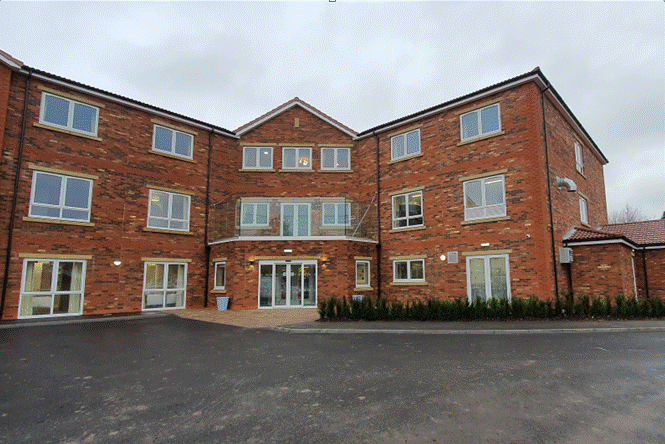
  • Care homes and assisted living developments
  • GP surgeries and primary care centres
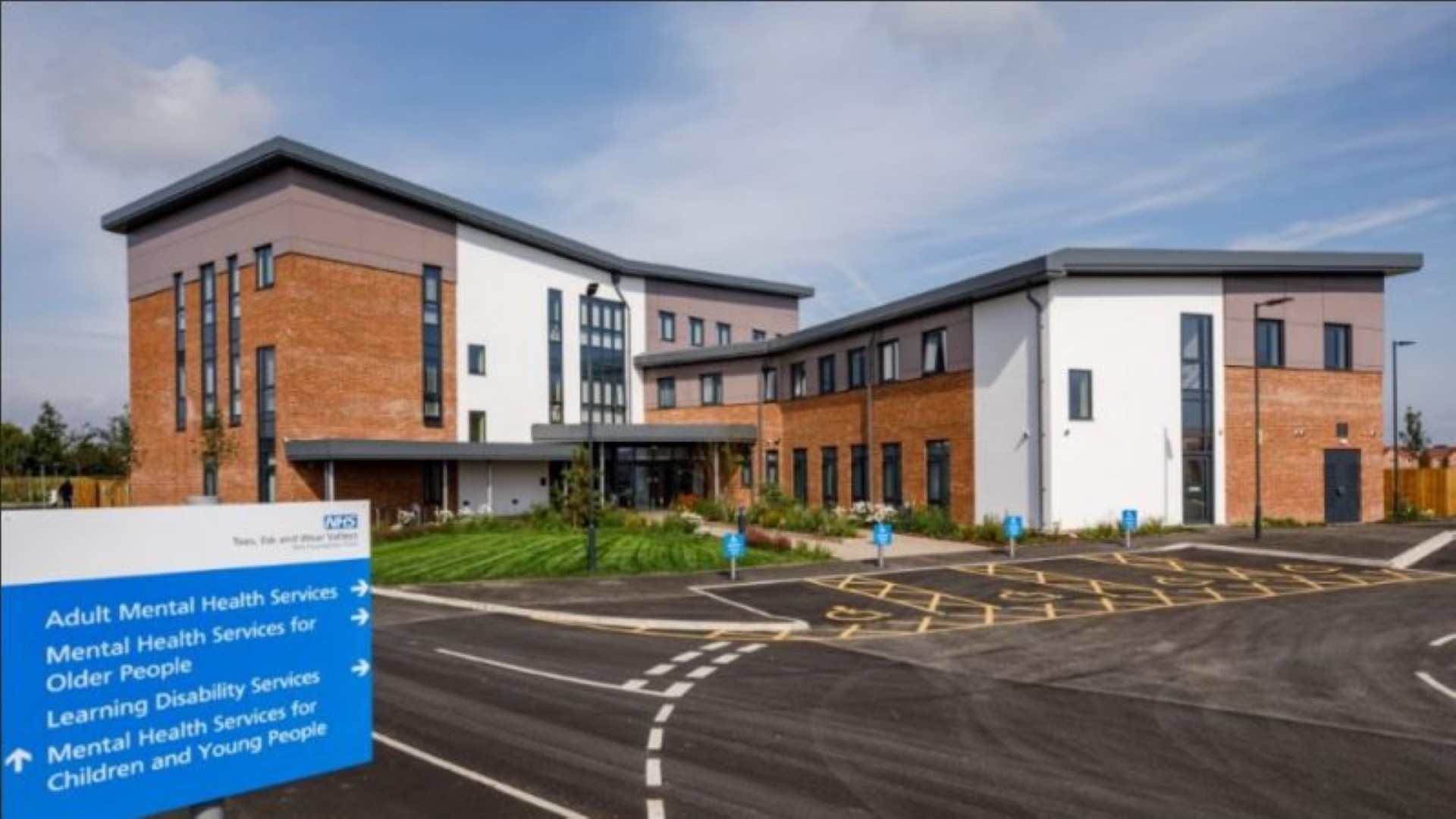
  • Mental health and CAMHS facilities
  • Diagnostic and imaging suites
  • Operating theatres and clinical environments
  • Refurbishments and extensions on live sites
  • Specialist healthcare and research buildings

Healthcare projects bring tighter regulations, more complex servicing, infection control requirements and the need for uninterrupted operation. Clients choose Dudleys because we understand those pressures, and design around them.

Clients trust us for:

  • Proven experience in healthcare structural and civil engineering
  • Detail-led design where patient safety and usability come first
  • Careful coordination with architects, MEP teams and clinical planners
  • Strong understanding of hospital drainage, access and infrastructure demands
  • Calm, clear guidance from planning through to delivery

In healthcare, there’s no room for guesswork. We provide engineering that’s measured, compliant and built to support care – quietly, reliably and for the long term.

Frequently asked questions

What does a healthcare structural engineer do?

A healthcare structural engineer designs and coordinates the structural and civil infrastructure that allows hospitals and clinical facilities to operate safely, efficiently and continuously. That means designing for heavy and vibration-sensitive equipment, high footfall, service integration, infection control requirements and 24/7 operation.

Why is healthcare structural engineering different?

Healthcare buildings often have specialised needs, such as supporting sensitive medical equipment, planning for high traffic, and accommodating future changes, which require more detailed structural and civil coordination than typical buildings.

When should an engineer be involved in a healthcare project?

An engineer should ideally be involved before key design decisions are locked in. Healthcare buildings have complex spatial, servicing and regulatory demands, and early engineering input helps test ideas against real constraints while there is still flexibility to adjust layouts and systems. Bringing engineering thinking in at the outset helps avoid compromises later, supports smoother coordination with clinical equipment and services, and reduces disruption during construction and ongoing operation.

Can Dudleys support projects that remain operational during construction?

Yes, we regularly support projects on live healthcare sites where buildings must remain operational throughout construction. This involves carefully planning structural and civil works around existing services, access routes and clinical activity, so disruption is kept to a minimum.

How do you account for heavy or vibration-sensitive medical equipment?

We design floor structures and supporting systems to accommodate concentrated loads, vibration limits and deflection criteria specific to medical equipment such as MRI scanners, CT units and surgical theatres. Coordination with suppliers is key to ensuring performance standards are met from day one.

Do you work on specialist healthcare environments?

Yes. We’ve supported mental health facilities, imaging suites, operating theatres, care homes and research environments – each with their own structural and servicing challenges.

Browse healthcare projects

Healthcare sectors we cover

Get in touch to discuss your next development project

Contact us