Care Homes

Care homes aren’t just buildings – they’re someone’s home. Where residents eat, sleep and receive care. Where staff work long shifts supporting vulnerable people. The engineering has to be thoughtful, robust and quietly reliable. That’s the standard we work to.

Engineering shaped by how care homes actually function

Care homes have different demands. Think wider corridors for wheelchairs and hoists, floor structures that support mobile hoists, profiling beds and bathing equipment, accessible bathrooms with reinforced wall fixings. And all of it needs coordinating with dense MEP services – nurse call systems, medical gases, enhanced ventilation and sprinklers.

As experienced care home structural engineers, we design foundations, frames and floor systems that quietly accommodate all of this. That means accounting for heavier localised loads, designing with how people operate in the space at the forefront and ensuring wet rooms, assisted bathrooms and specialist care areas are properly supported from the outset. It’s a lot to balance – but that’s exactly what good healthcare engineering is about.
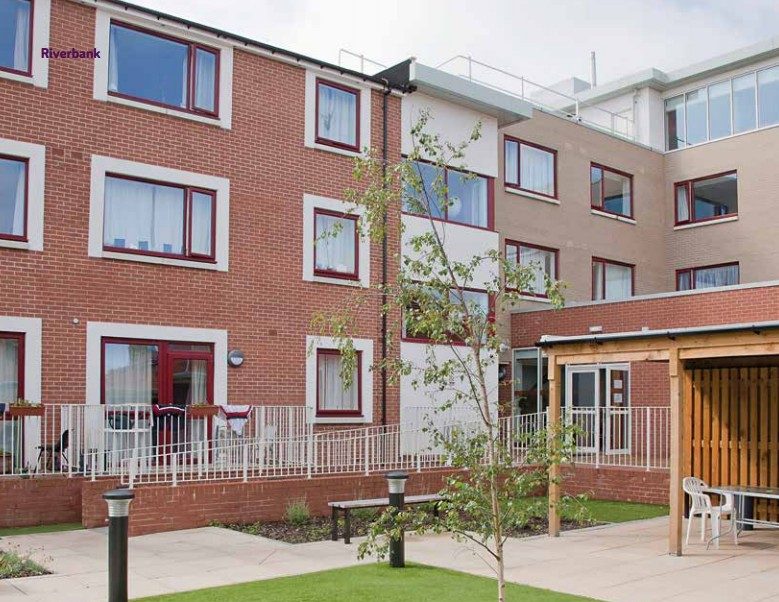
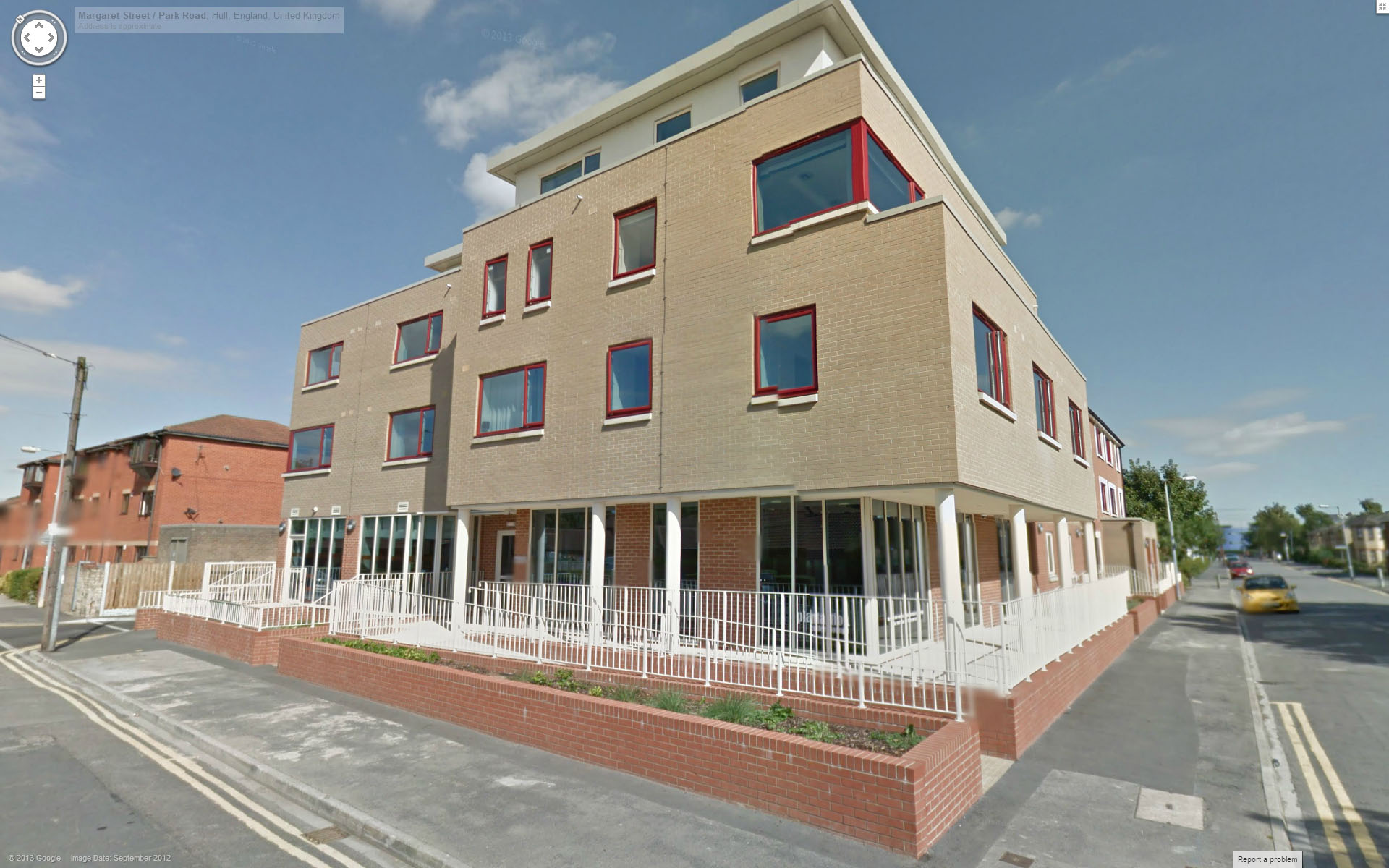
Built for the long haul

Care homes operate 24/7 with intensive use and limited maintenance windows. Floors take constant traffic from wheelchairs, trolleys, and mobility equipment. Wet areas are in near-continuous use. And buildings need to adapt as care models evolve – converting rooms, adding specialist facilities, accommodating new equipment.

We design for durability and long-term adaptability. That means robust floor structures with headroom for future equipment changes, flexible layouts that allow reconfiguration and external works designed around ambulance access, deliveries and secure outdoor spaces for residents.

Trusted engineering partners for care home delivery

Care home developments bring layered complexity – multiple disciplines, tight regulations, operational sensitivities and the responsibility of designing environments for vulnerable residents. That’s why clients choose engineers who understand the sector properly.

We support a wide range of schemes, including:

  • Residential care and nursing homes
  • Extra care and assisted living developments
  • Dementia and specialist care facilities
  • Community-scale and boutique care homes
  • Extensions and refurbishments on live sites
  • New-build care campuses and phased developments
  • Respite and rehabilitation facilities

Clients value our grounded approach. We design with resident safety, accessibility and long-term operation front of mind – not just compliance on paper. Circulation, servicing, structural loading, maintenance access, it all has to work together.

Clients trust us for lots of reasons:

  • Deep experience in care home structural and civil engineering
  • Designs shaped around real operational needs
  • Close coordination with architects, services engineers and specialist suppliers
  • Practical guidance through planning, construction and live-site refurbishment
  • A steady, considered approach where safety and dignity matter most

Whether you’re delivering a new facility or upgrading an existing home, we bring the same focus: engineering that supports care – reliably, respectfully and for the long term.

Frequently asked questions

What does a care home structural engineer do?

A care home structural engineer designs the foundations, frames and floor systems that allow a care facility to function safely and reliably. That means accounting for everything that makes a care home set up unique – accessible entrances, emergency access, the ability to hold up to high occupancy and more. In short, the role is to create a building that quietly supports safe care, dignity and long-term performance, without getting in the way of daily life.

How is care home engineering different from typical residential?

Care homes need to hold up the familiarity of a home while also operating like specialist healthcare environments. Engineers must consider increased loadings, 24-hour occupancy, assisted bathrooms, medical services, fire strategy, and staff circulation – all while maintaining a comfortable, homely feel for the people using these facilities.

When should engineering input be involved?

Bringing engineers into the conversation early allows fundamental questions to be explored while there is still flexibility in the design – how the building sits on the site, how people and vehicles move around it, and how services and structure can work together without compromise. This early insight helps care home projects develop in a way that feels resolved rather than retrofitted, supporting smoother decision-making as the design progresses.

Can Dudleys support care homes that remain operational during work?

Yes, many care home projects involve refurbishment, extension or phased development while residents and staff remain on site. With careful planning and close coordination, works can be sequenced to protect access, maintain essential services and reduce noise and disruption where possible. Engineering decisions are made with day-to-day care routines in mind, helping projects progress safely while the building continues to function as a place of support and comfort.

Do care homes require higher structural load capacity?

Often, yes. Floor structures may need to support mobile hoists, profiling beds, specialist bathing equipment and increased traffic from staff and visitors. We design accordingly, ensuring strength and long-term durability without unnecessary over-engineering.

Browse Care Home projects

Get in touch to discuss your next development project

Contact us