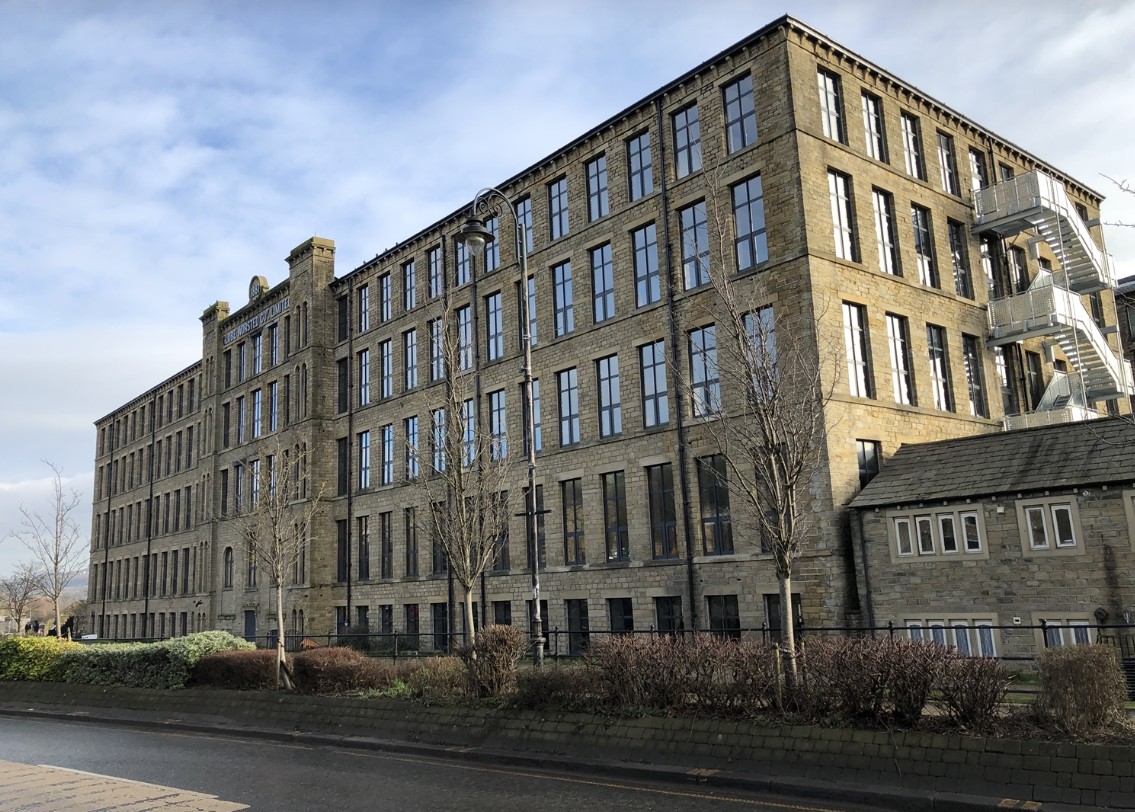
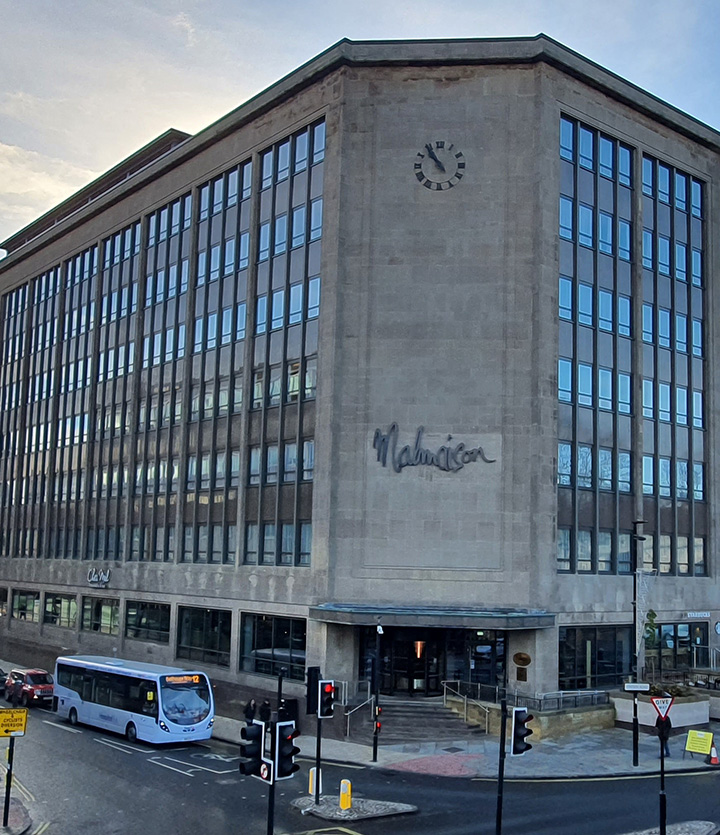
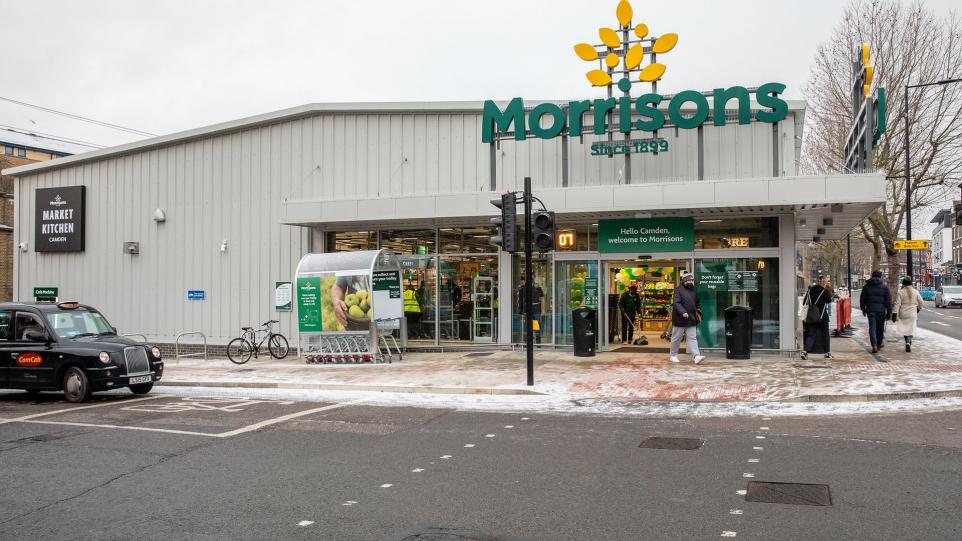
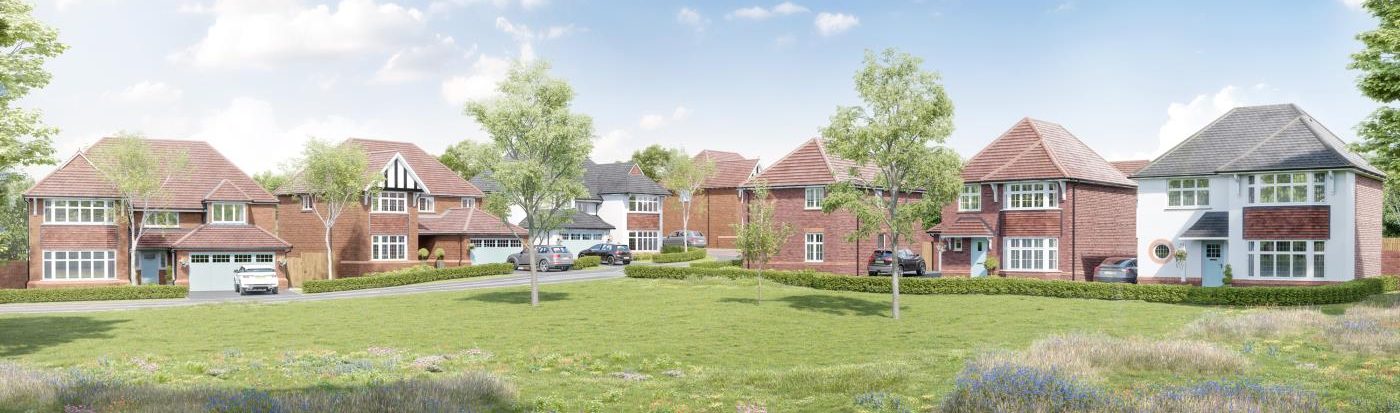
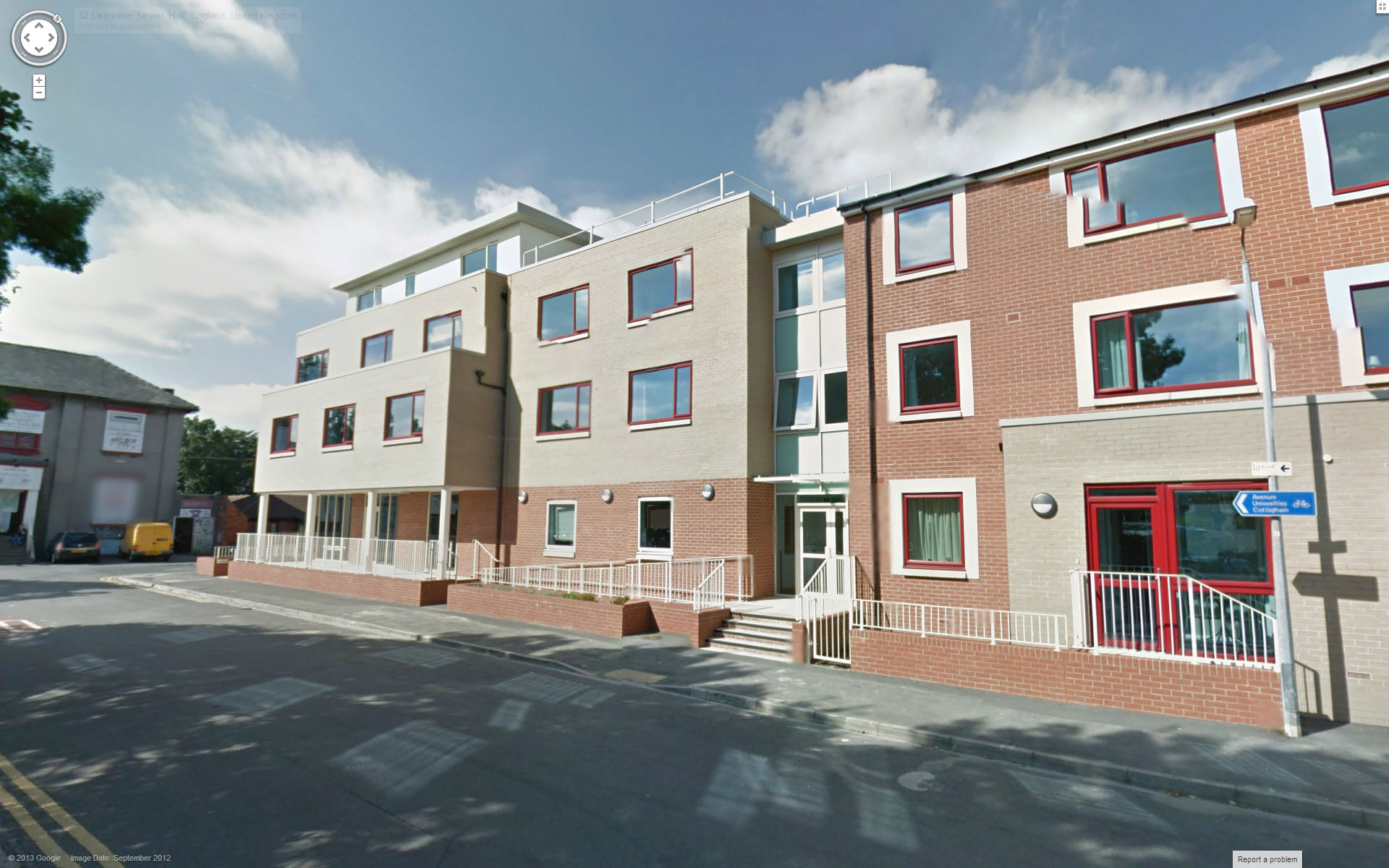
Keep what works. Fix what doesn’t. Avoid knocking down what you don’t have to. We provide structural engineering for refurbishment of existing buildings – from Victorian mill conversions to post-war building upgrades – helping clients work out what can stay, what needs strengthening and what actually needs replacing.
Every refurbishment starts with the same question: what have we actually got? Original drawings rarely tell the full story. Previous alterations may not be documented. Materials degrade. And you don’t know what’s behind the plaster until you open it up.
As refurbishment structural engineers, we assess existing structures – understanding how they were built, how they’ve performed and what condition they’re in now. That means site investigations, opening up works, testing materials where needed and working out what’s actually holding the building up before anyone starts knocking things through.
Refurbishing existing buildings is often cheaper, faster, and more sustainable than starting from scratch. But it brings its own challenges: hidden structures, historic alterations, materials that aren’t made anymore, and drawings that don’t match what’s actually there.
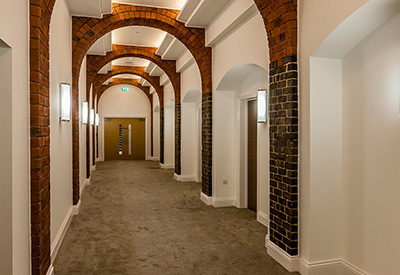
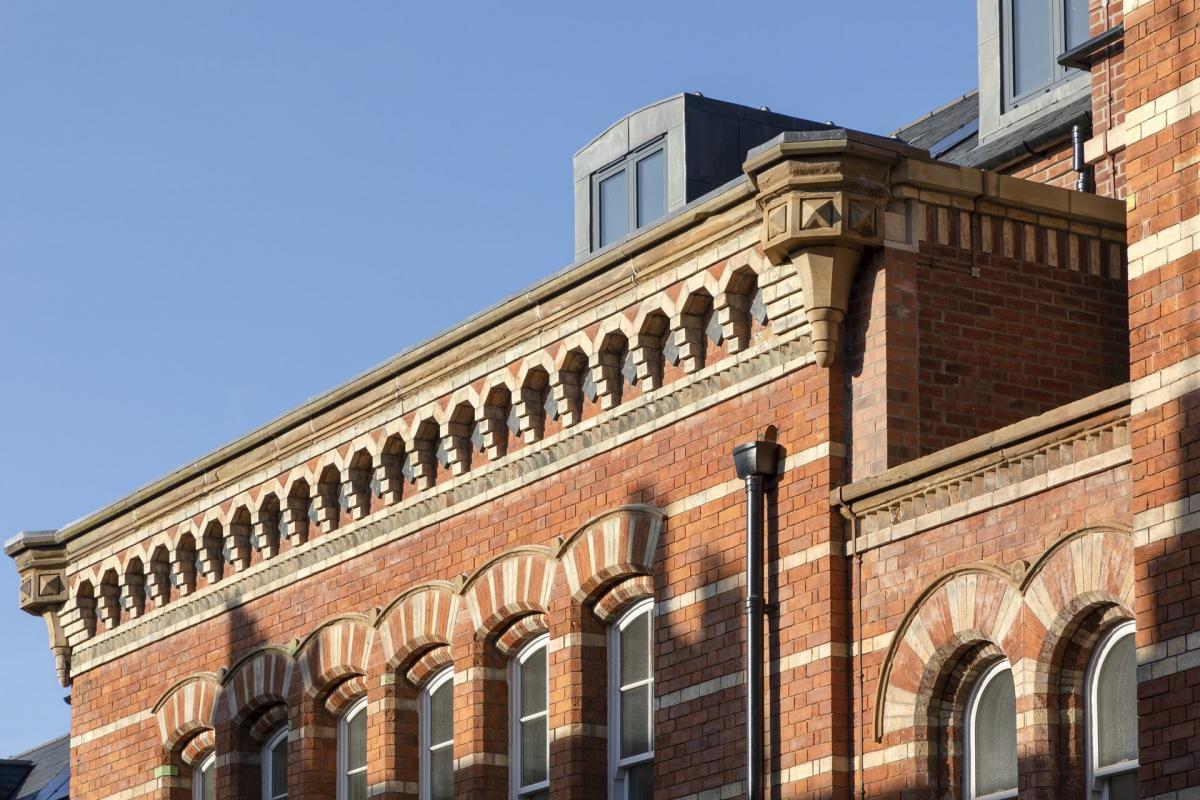
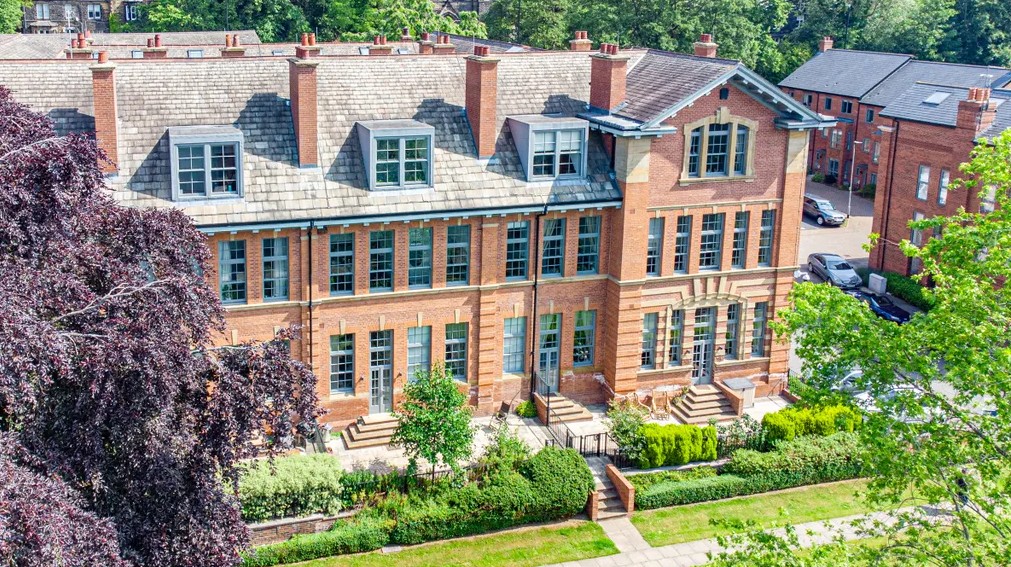
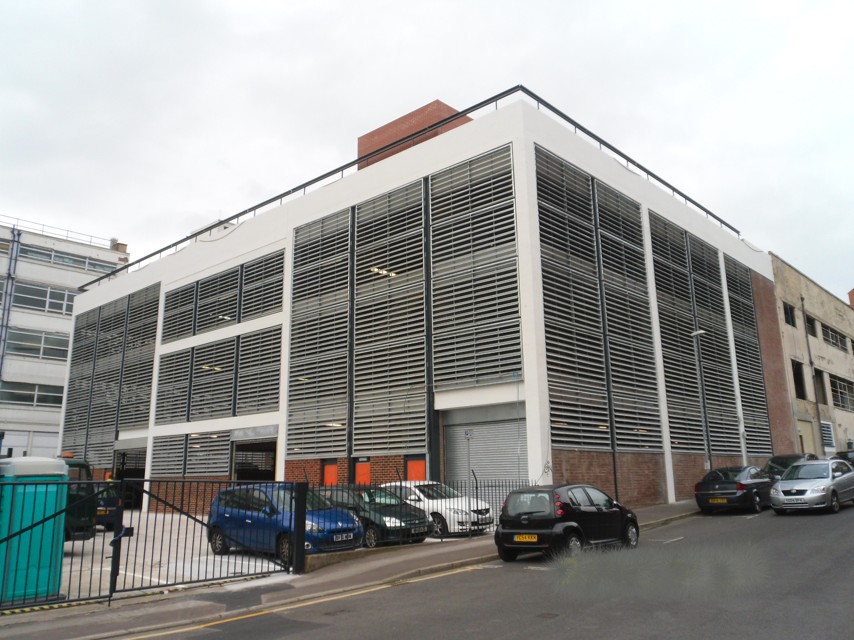
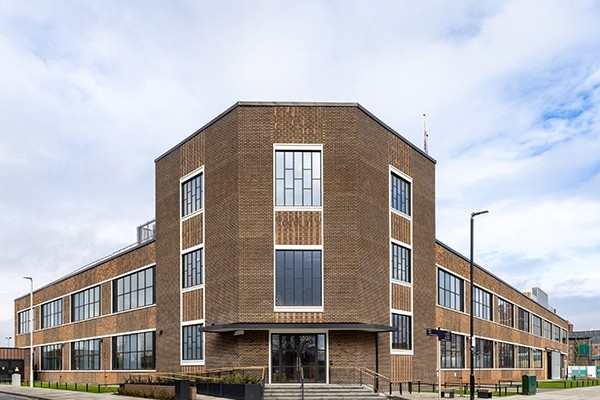
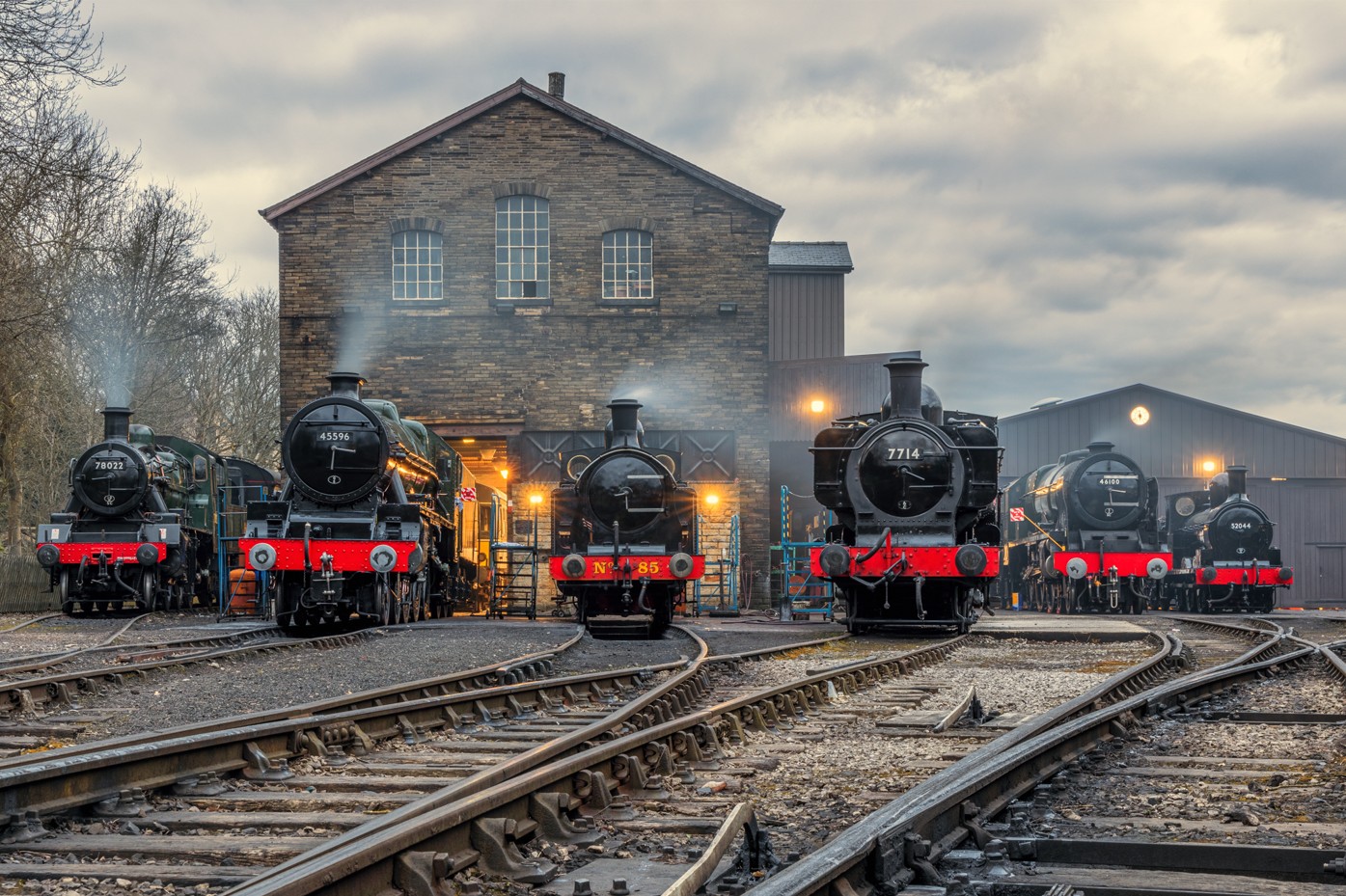
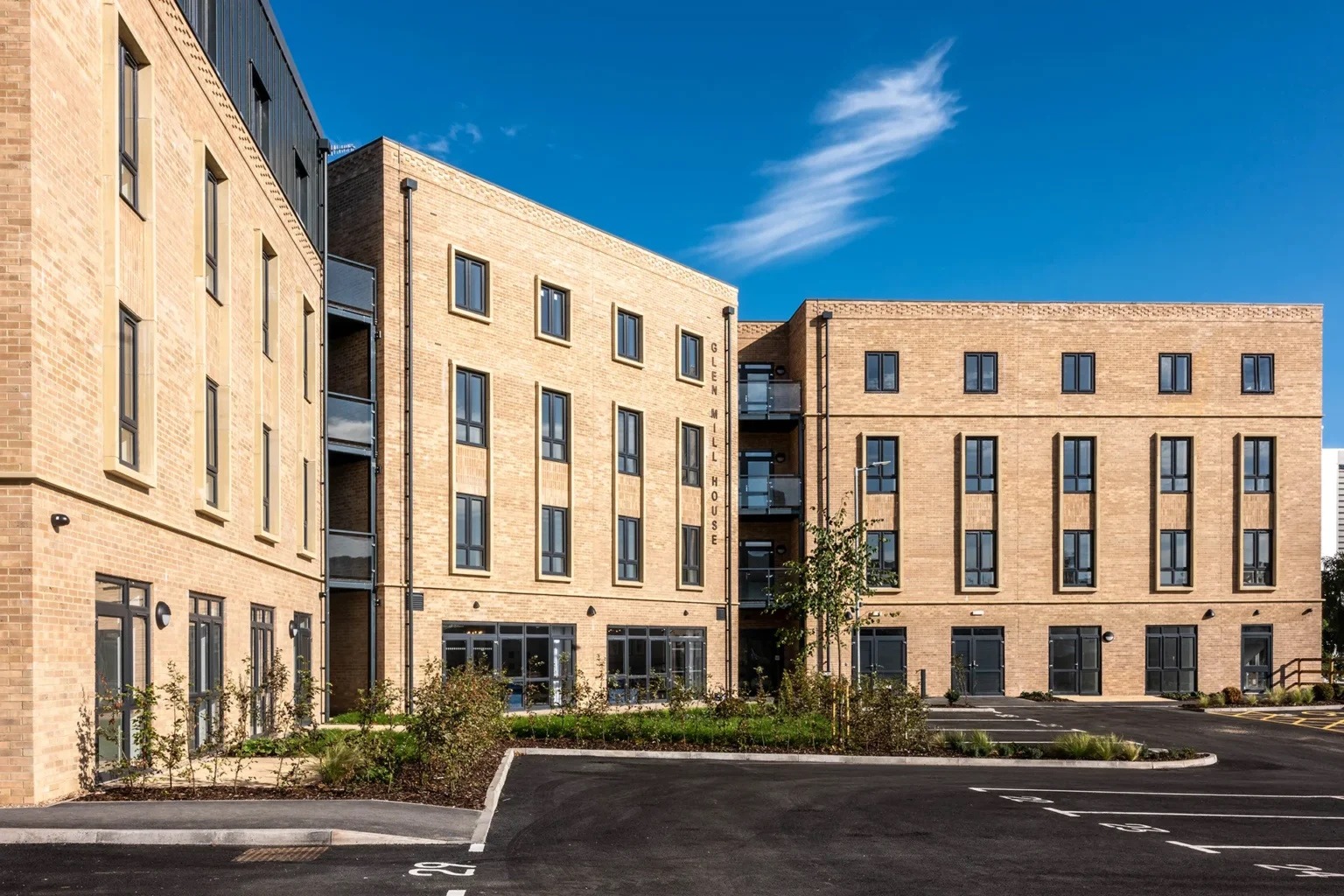
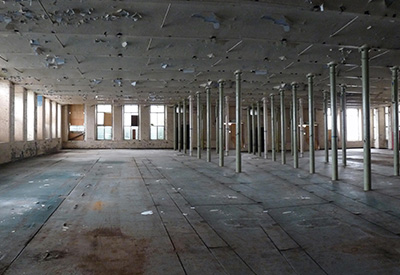
Refurbishment projects vary widely in scale and ambition. We work across buildings of every age and type: 19th-century mills with cast iron columns and timber beams, early 20th century steel and concrete frames, post-war structures with known material challenges and more modern homes undergoing loft conversions or layout changes. Each has its quirks. Understanding those quirks is half the job.
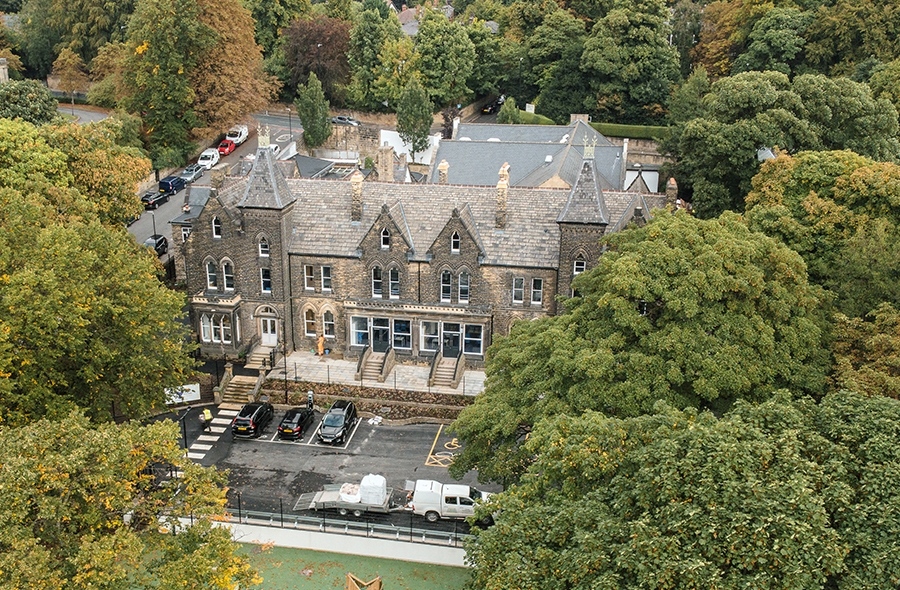
For listed buildings and conservation projects, that understanding becomes even more important. We take a considered approach, balancing structural safety with respect for historic fabric and original construction methods. Sometimes the right answer is repair rather than replacement. Sometimes it’s minimal intervention that preserves character while improving performance. Either way, we start by understanding what makes the building special, and only then design changes that support its next chapter.
Refurbishment always comes with unknowns. Hidden structures. Historic alterations. Gaps in drawings. Surprises behind walls. Clients value engineers who are comfortable working with that uncertainty – and who respond with calm judgement rather than overreaction.
Our approach starts with understanding what’s already there. We assess existing structure and condition early, identify constraints and develop proportionate solutions that work with the building rather than against it. Where heritage is involved, we take a conservation-aware approach – repairing and retaining wherever possible, and intervening only where necessary.
We don’t just think about structural calculations. We consider how the works will actually happen: access, sequencing, temporary support, M&E upgrades and buildability. The goal is simple – introduce new structural elements in a way that feels deliberate, controlled and practical on site.

We’re comfortable with buildings that have had a life before this project. We understand how they were built – and how to adapt them responsibly for what comes next.

A refurbishment structural engineer assesses how an existing building is constructed, how it has performed over time, and how it can safely accommodate change. That might involve opening up concealed areas, reviewing historic construction methods, introducing new openings, strengthening floors, repairing defects or tying new structure into old. The aim for us is always the same: make improvements safely, proportionately and in a way that can actually be built on site.
Refurbishment costs depend on the building, the extent of change and how much investigation is needed. Older or altered buildings can hold surprises, which is why early structural input is so valuable. We take a measured approach, helping identify risks early and set a clear scope before work begins. Our fee proposals are proportionate, transparent and tailored to the level of support your project genuinely needs.
Structural engineering input is most valuable at the earliest stages of a refurbishment project. Early assessment helps confirm what can realistically be achieved, informs design decisions and flag any constraints that could affect layout, programme or budget. This early clarity helps avoid redesign, delays or unexpected issues once work is underway.
Yes, we have extensive experience working with heritage and character buildings, including listed structures and older industrial buildings. We take a careful, respectful approach – understanding how the building was originally constructed, where it’s vulnerable, and how it can be adapted without unnecessary intervention or loss of character.
Absolutely. We investigate cracking, settlement, deterioration and structural distress, helping determine whether issues are historic, ongoing or simply cosmetic. Our advice is always honest, never creating a mountain out of a molehill – not every crack needs a dramatic solution.
We can. Converting offices to residential, adapting industrial units or reconfiguring internal layouts often requires structural alterations. We assess whether the existing structure can support the new use and design strengthening or modification works where required.