Tall buildings leave no room for shortcuts. Loads increase, wind starts calling the shots, and small decisions have big consequences. We design high-rise structures with the judgement and clarity needed to keep complex urban buildings stable, buildable and commercially viable.
High-rise projects play by different rules than an average building. The weather becomes a design driver. Stability systems carry the weight of the whole building. Foundations push deeper, sometimes below the water table. Construction sequencing tightens, crane logistics matter and every decision has to work within dense urban sites, close neighbours and planning constraints.
That’s where experience counts. As high-rise structural engineers, we design structural systems that take all of this in their stride – from reinforced concrete frames and complex steelwork to podium structures, modular solutions and hybrid systems. The aim is always the same: a clear, coordinated structural strategy that’s safe, efficient and buildable, without creating headaches once work starts on site.
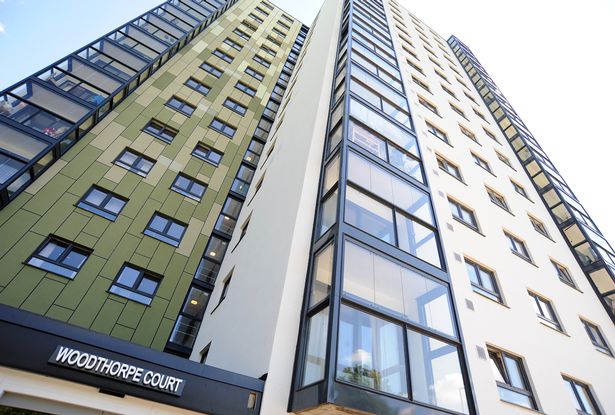
High-rise projects are shaped by tight urban sites, limited access and live surroundings. Those constraints affect everything – from crane strategy and temporary works to sequencing and logistics. Luckily, we cover everything from start to finish, including:
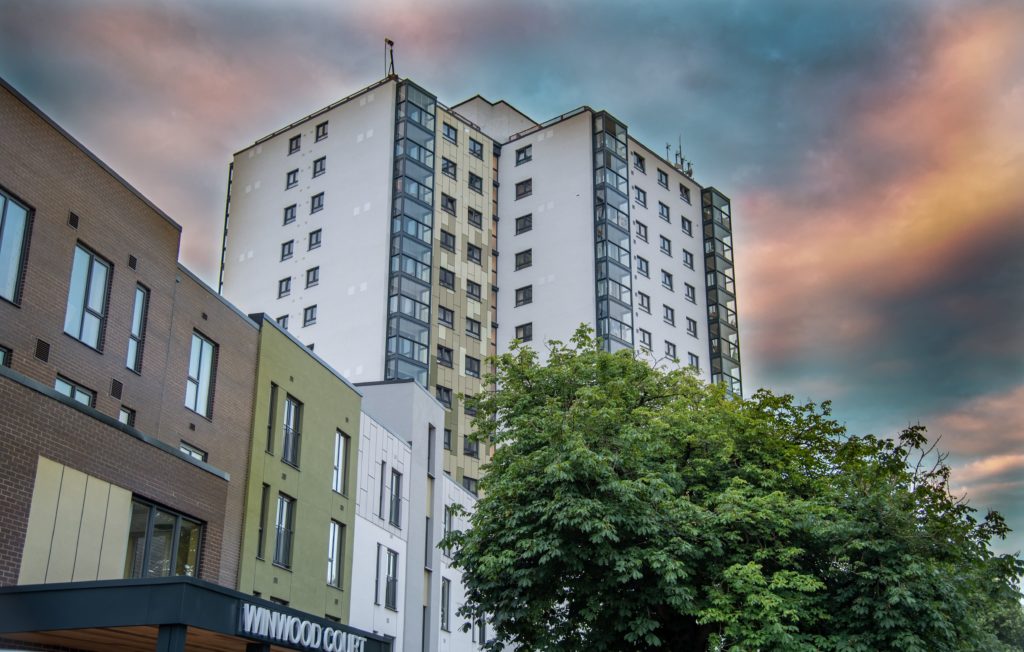
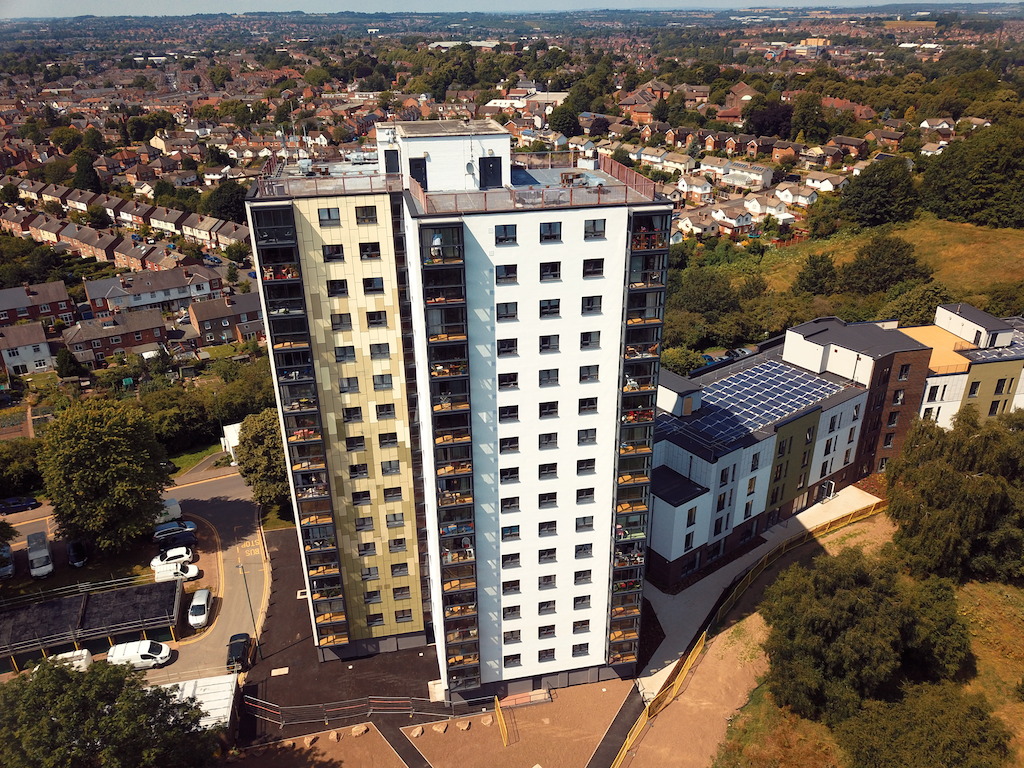
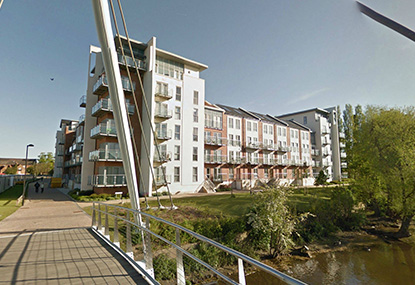
We’ve led high-rise residential projects of varying scales, including leading the structural design on landmark multi-storey developments. Different forms, different challenges – the same disciplined approach.
Tall buildings don’t reward rushed decisions. Clients choose Dudleys because we take a measured, whole-project view – listening first, thinking things through and then developing structural strategies that work not just on paper, but in the real world.
We work closely with site teams and engineers from an early stage, shaping designs around access, sequencing and construction realities. That early understanding helps keep high-rise projects coordinated as they move from detailed design into live construction, avoiding the late changes that can derail programme and cost.
Our involvement typically starts at feasibility and continues through design and delivery. By influencing the structural approach before layouts are fixed, we help avoid situations where the chosen system clashes with ground conditions, access strategies or planning constraints.
The result is high-rise engineering that’s calm, coordinated and built to last – even when the pressure’s on.
A high-rise structural engineer designs the systems that keep tall buildings stable, safe and behaving as they should. That includes foundations, frames, cores and lateral stability systems, as well as understanding how the building responds to wind, occupancy and movement. The role is about far more than calculations – it’s about coordinating structure, buildability and long-term performance in a complex environment.
The sooner, the better! Early involvement allows the structural strategy to be developed alongside the layout, massing and access strategy, rather than forced in later. Getting it right from the outset helps avoid expensive redesign, programme delays and systems that don’t work with the site constraints. In high-rise projects, early collaboration isn’t a luxury, it’s essential.
Not always, but many do. Tall buildings often introduce high loads and overturning forces, which can lead to deeper foundations or basements, sometimes below the water table. Every site is different, so we assess ground conditions, loading and constraints before recommending a proportionate, buildable solution.
Wind becomes a key design driver at height. We carry out detailed analysis to control sway, acceleration and comfort, selecting appropriate stability systems to ensure the building behaves as intended – safely, comfortably and within design limits.
Yes, we regularly coordinate with site engineers, contractors and other disciplines to make sure our structural designs can be built safely and efficiently.
Good high-rise engineering balances safety, performance and cost. We focus on efficient structural layouts, rationalised systems and early value engineering – always with buildability and programme in mind.