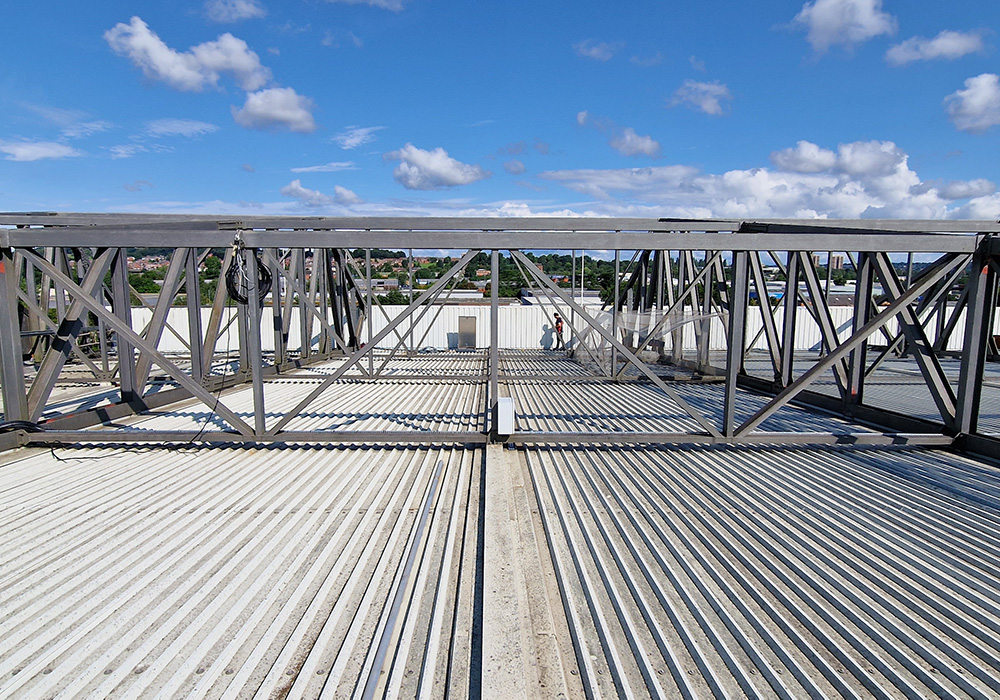
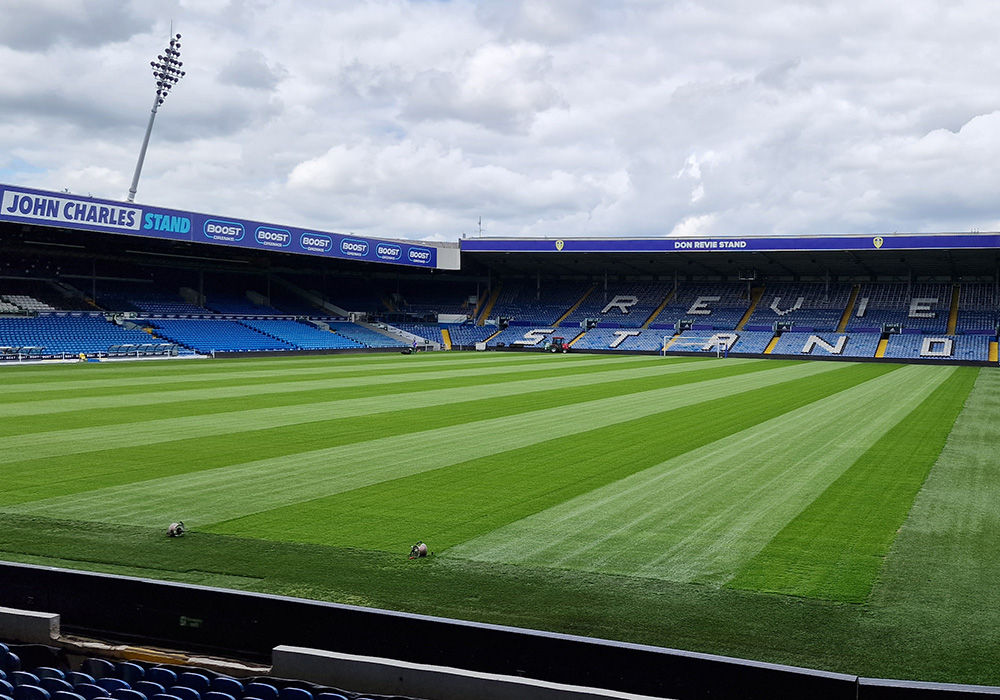
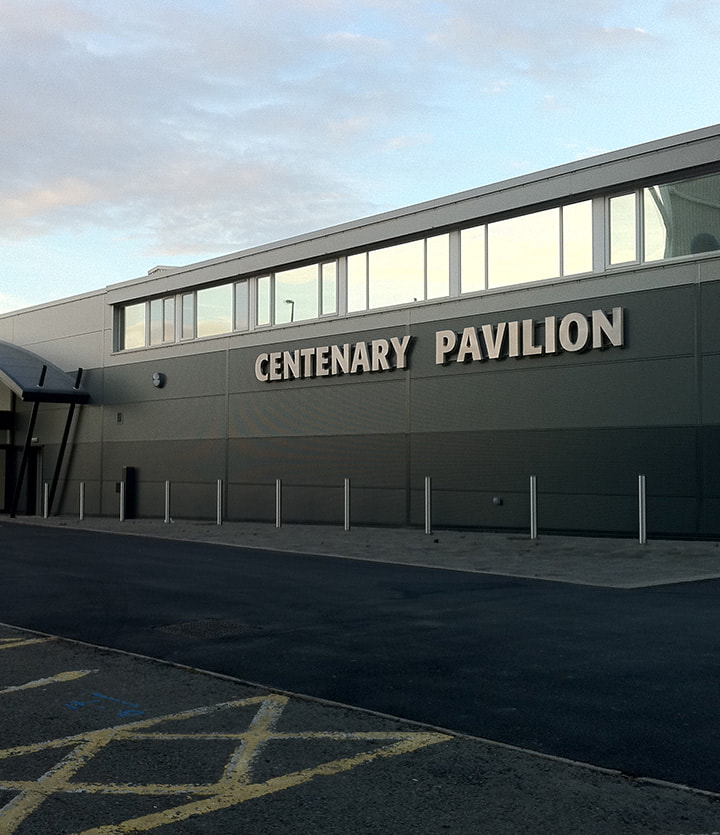
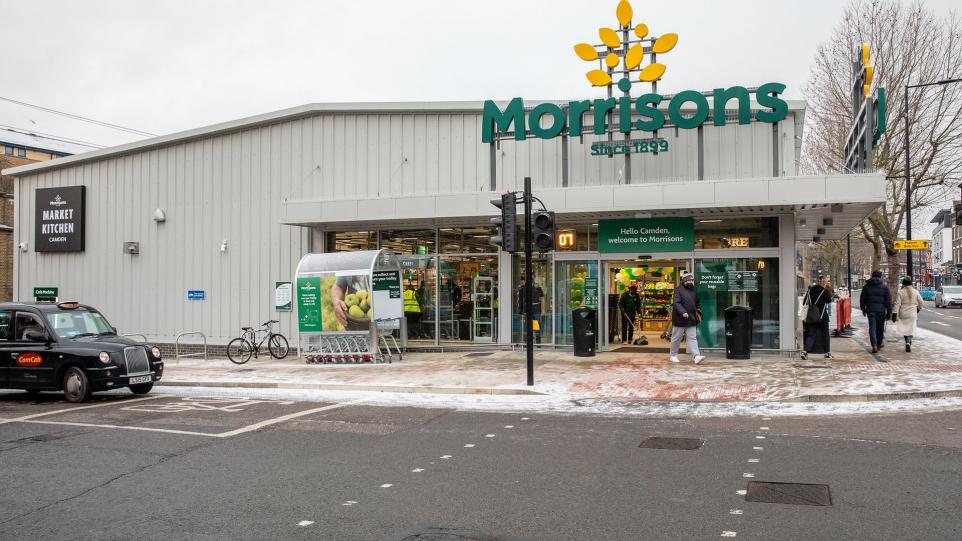
From local pitches to full-scale stadia, your sports development needs engineering that performs in all conditions – heavy rain, hard ground and full crowds. We design civil and structural solutions that perform in tough conditions and keep working long after the first whistle.
Sports sites aren’t like other developments. You need pitches that drain, stands that don’t move and facilities that last, season after season, often with limited downtime for maintenance.
That’s where proper sports field engineering comes in. We work with clients, designers and contractors to get it right from the start. Because there’s no point designing a pitch that drains beautifully if the subbase isn’t right, or a stand that meets code but wobbles when the crowd gets going. What we cover:
Whether it’s a new-build stadium, a training ground extension, or upgrading a local sports pitch, we approach it the same way: understand the site, understand the use, design something that works.
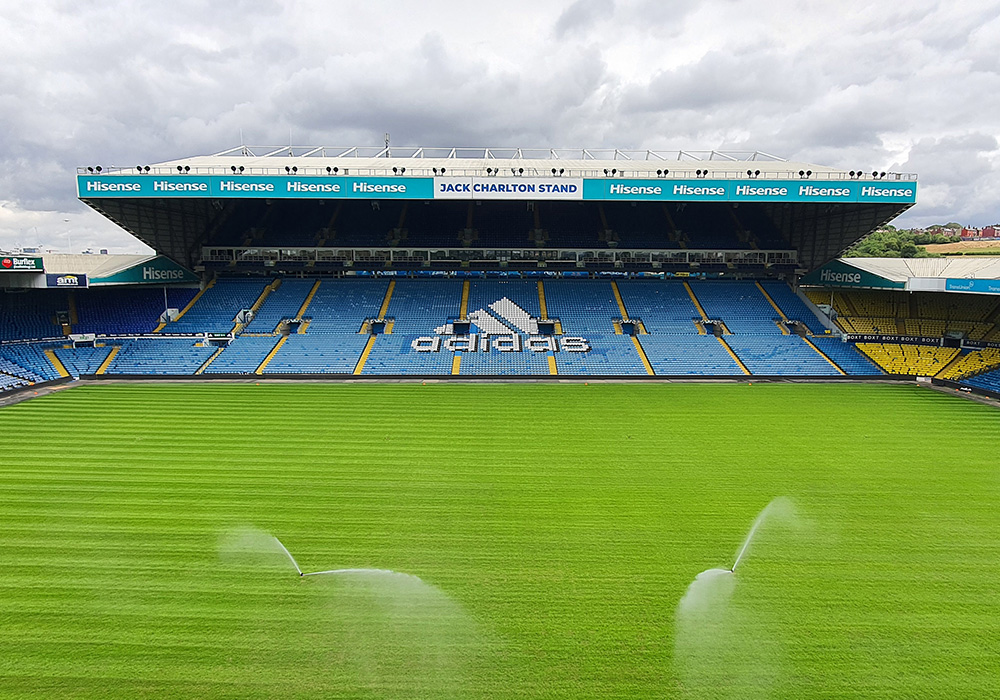
The best time to get engineers involved in a sports project? Early. Ideally at feasibility or planning stage, before layouts are fixed and drainage strategies are set in stone. That’s when we can spot the ground constraints, work out what the drainage actually needs to do, and make sure the civil and structural design are coordinated from the start. It avoids expensive surprises and hassle. We also work on live, operational sites – which brings its own challenges. Limited access. Can’t shut the pitch for six months. Construction has to work around fixtures. We get it. We plan for it.
Sports facilities are used hard and often. Our job is to make sure they’re built to take it – and that they’re not a nightmare to maintain once they’re handed over.
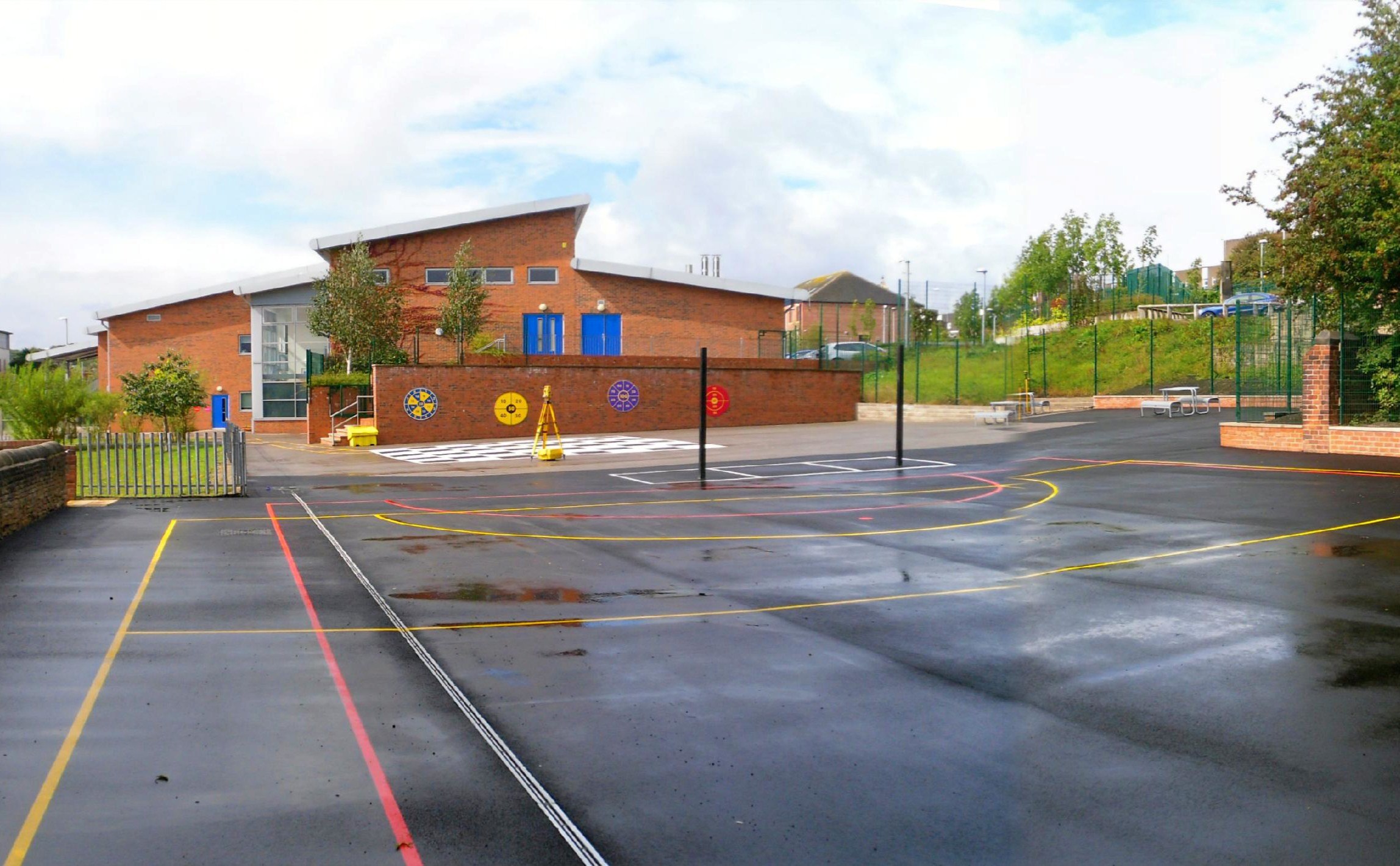
We work across the full spectrum of sports developments, including stadia and large spectator venues, training and performance centres, community sports grounds, ancillary and corporate facilities – covering new builds, refurbishments, upgrades and live operational sites.
Clients value Dudleys for a calm, experienced approach and a clear understanding of how specialist sports environments really operate. We focus on dependable civil and structural engineering that supports safety, resilience and long-term performance, rather than short-term fixes.
The result is sports facilities that work as hard as the people using them – on match day, training day and every day in between.
Everything below the surface that makes the pitch work – drainage, earthworks, subbase, soil structure. It’s about creating conditions where water drains properly, the surface stays stable and the pitch doesn’t turn into a bog every winter.
Ensuring we are involved at an early stage is recommended as our input at the feasibility and planning stages helps identify ground constraints, inform layouts and drainage strategies, and avoid costly changes during construction.
Yes, we regularly support projects on operational sites, carefully considering access safety, programme constraints and ongoing use to minimise disruption.
Absolutely, we are happy to work on new-build sports facilities as well as refurbishments, extensions and performance upgrades to existing pitches, stadia and training grounds.
Yes, we deliver sport facilities structural engineering alongside our civil engineering services, covering elements such as grandstands, ancillary buildings and supporting structures, with full coordination between disciplines.
We don’t just get the job done in a hurry, we take a long-term view, considering how the facility will be used and looked after day-to-day. We think about maintenance access, drainage operation over time, surface wear, and how the site might need to adapt in the future, helping facilities remain functional and economical to run.
Drainage is a critical part of sports facility performance. We design systems based on site-specific ground conditions, usage demands and maintenance requirements, ensuring water is managed effectively without over-complication.
Yes. We support a range of surfaces, including natural turf, hybrid systems and artificial pitches. Each has different drainage, ground preparation and performance requirements, which are reflected in our designs.