Planes landing, passengers moving, security tight – and construction happening in the middle of it all. There’s no downtime and no margin for error. We deliver civil and structural engineering for operational airport sites across the UK – designing infrastructure that meets strict aviation standards and keeps everything moving exactly as it should – on the ground and in the air.
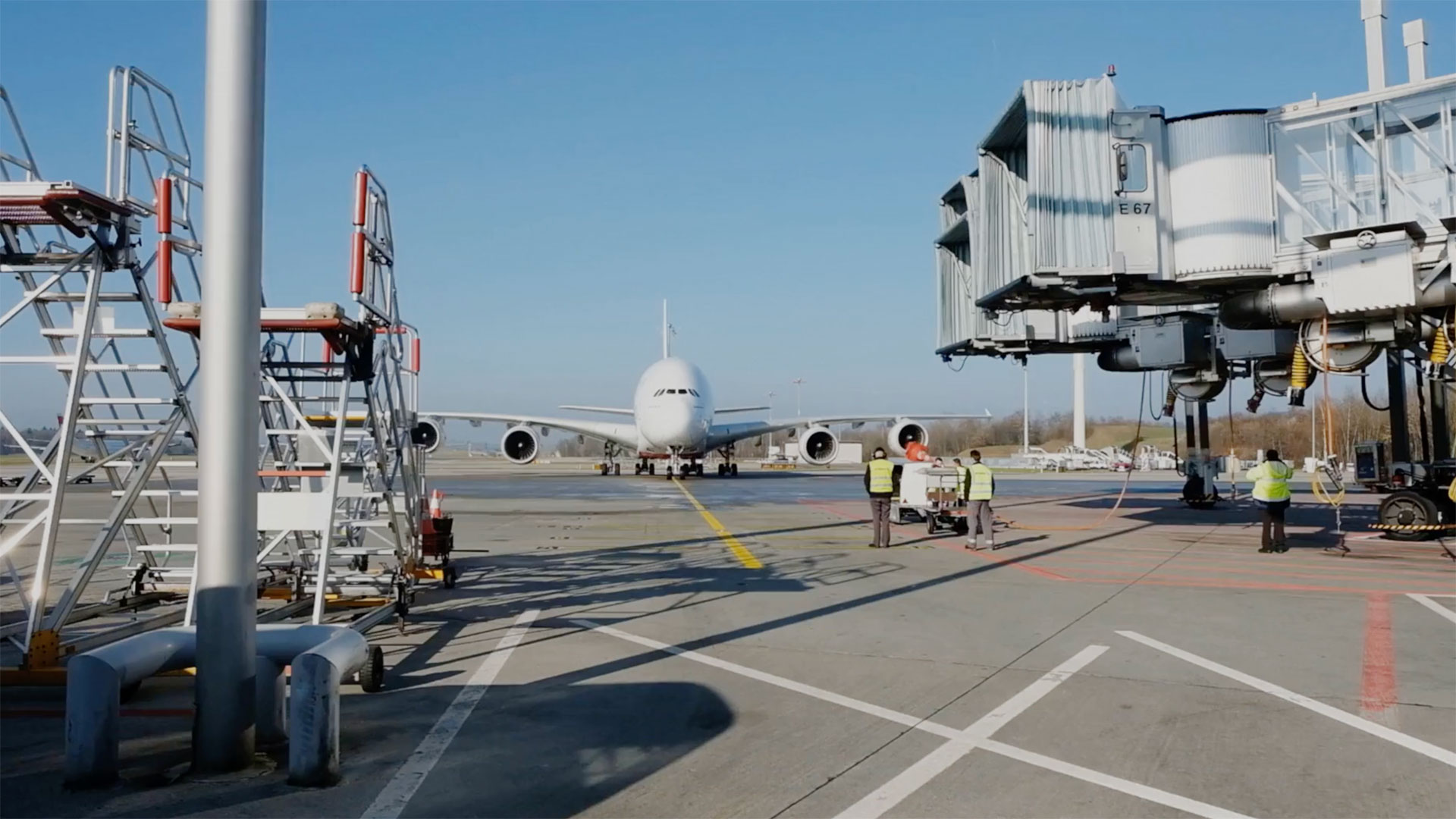
Airports don’t behave like normal developments. Access is restricted, security is tight, stakeholders are many and every detail needs sign-off. Phasing has to protect passengers, aircraft movements and day-to-day operations – all while meeting CAA and operator standards.
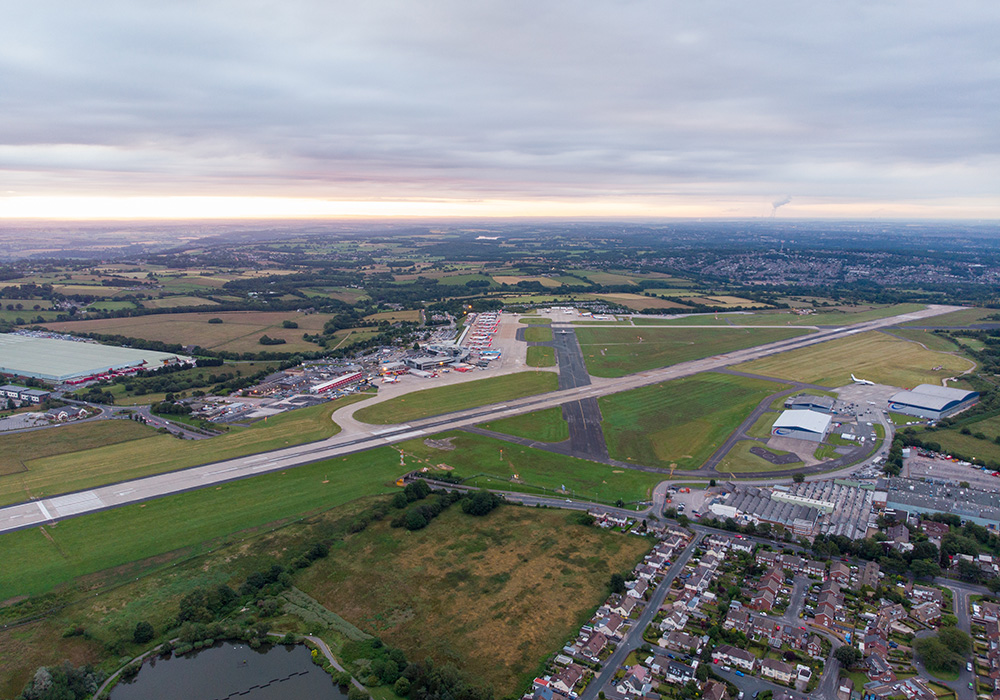
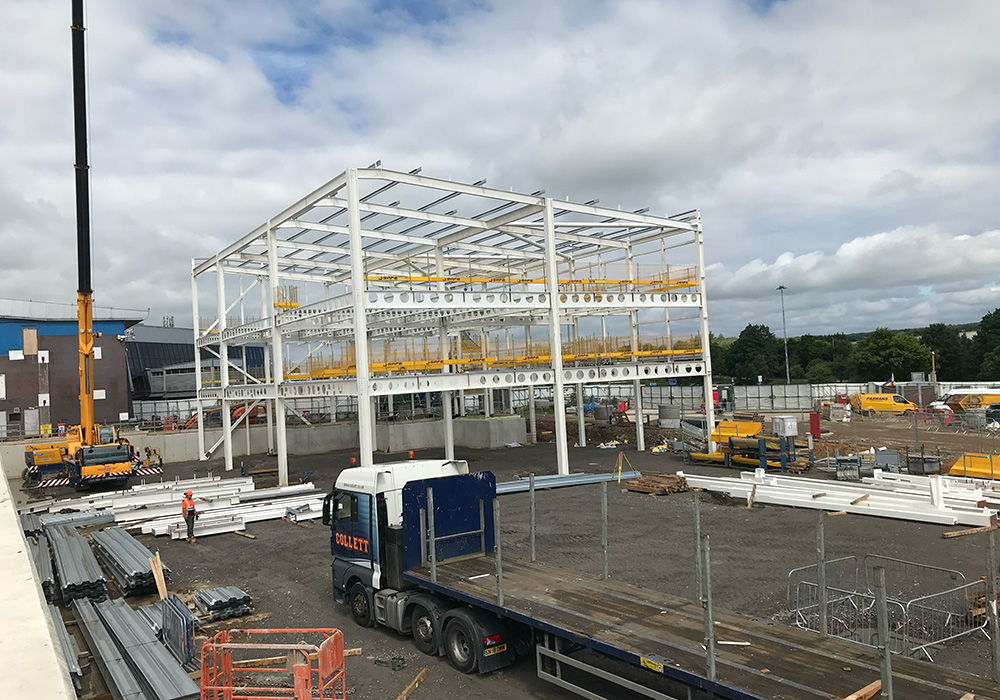
We design with those realities built in from day one. That means understanding airside logistics, coordinating around runway operations and sequencing works so terminals, transport links and critical infrastructure stay live throughout. Our experience spans major UK airports, including Leeds Bradford, delivering civil and structural engineering for terminals, car parks, transport infrastructure and airside works – always on operational sites, always aligned with the pace and pressure of aviation.
Whether we’re thinking about terminal extensions where passenger flows can’t be disrupted or multi-storey car parks handling constant heavy use, each part of these high-traffic buildings bring its own challenges. We regularly handle:
We stay involved through construction – because airport projects always surface coordination issues needing quick resolution.
Engineering challenges aren’t just technical, they’re operational and logistical.
Construction access is restricted to specific routes and hours, airside work requires security clearances and coordination with air traffic, hot work and noise are restricted near passengers and crane operations near flight paths need CAA approval. All while the airport operates normally around you.
Projects succeed when engineering accounts for these constraints from the start – not when they’re discovered later.
We’ve worked on some of the UK’s busiest airports, including London Heathrow, Leeds Bradford Airport, and more so we know what we can do, how to do it and where. While anyone can say they’re experts in this sector, we truly are.
Whether you’re planning terminal development, car park infrastructure, airside works or enabling projects at an operational airport, get in touch. We’ll assess what’s needed, understand the operational constraints and provide civil and structural engineering that works within the realities of a live aviation site.
Yes – and that’s where most of our airport work happens. From Leeds Bradford to other operational UK airports, we design in environments where aircraft are moving, passengers are flowing and security is tight. We understand permits, escorts, restricted access, airside protocols and the reality of building safely alongside live operations.
Absolutely. Airport construction rarely happens 9-5. We design around possessions, night shifts and carefully managed phases – asking the practical questions early: what can be built, when, and without disrupting flights or passenger flow? Sequencing isn’t an afterthought; it’s part of the engineering.
The earlier the better. Airports are shaped by constraints – CAA requirements, safeguarded zones, buried services, operational access and security controls. Early input helps test feasibility properly, shape layouts around reality and avoid costly redesign once approvals and operations are in motion.
Yes, a significant proportion of airport work involves adapting existing infrastructure. We assess what’s there, understand how it’s performing and design upgrades that tie in seamlessly, whether that’s strengthening structures, extending terminals or reworking transport links – all while the airport stays open.
Yes. Airport projects involve operators, airlines, the CAA, security teams, commercial tenants and contractors – often all at once. We’re used to working within that environment, keeping communication clear and ensuring the engineering aligns with operational and regulatory expectations.
We do. Our designs are developed with aviation-specific requirements in mind, including safeguarding, fire access, blast considerations, vehicle movements and operational resilience – not retrofitted to meet them later.
By planning for it early. We identify constraints, interface risks and operational sensitivities upfront, design proportionately, and stay involved through delivery. Airports don’t do well with surprises, so we engineer them out before they happen.