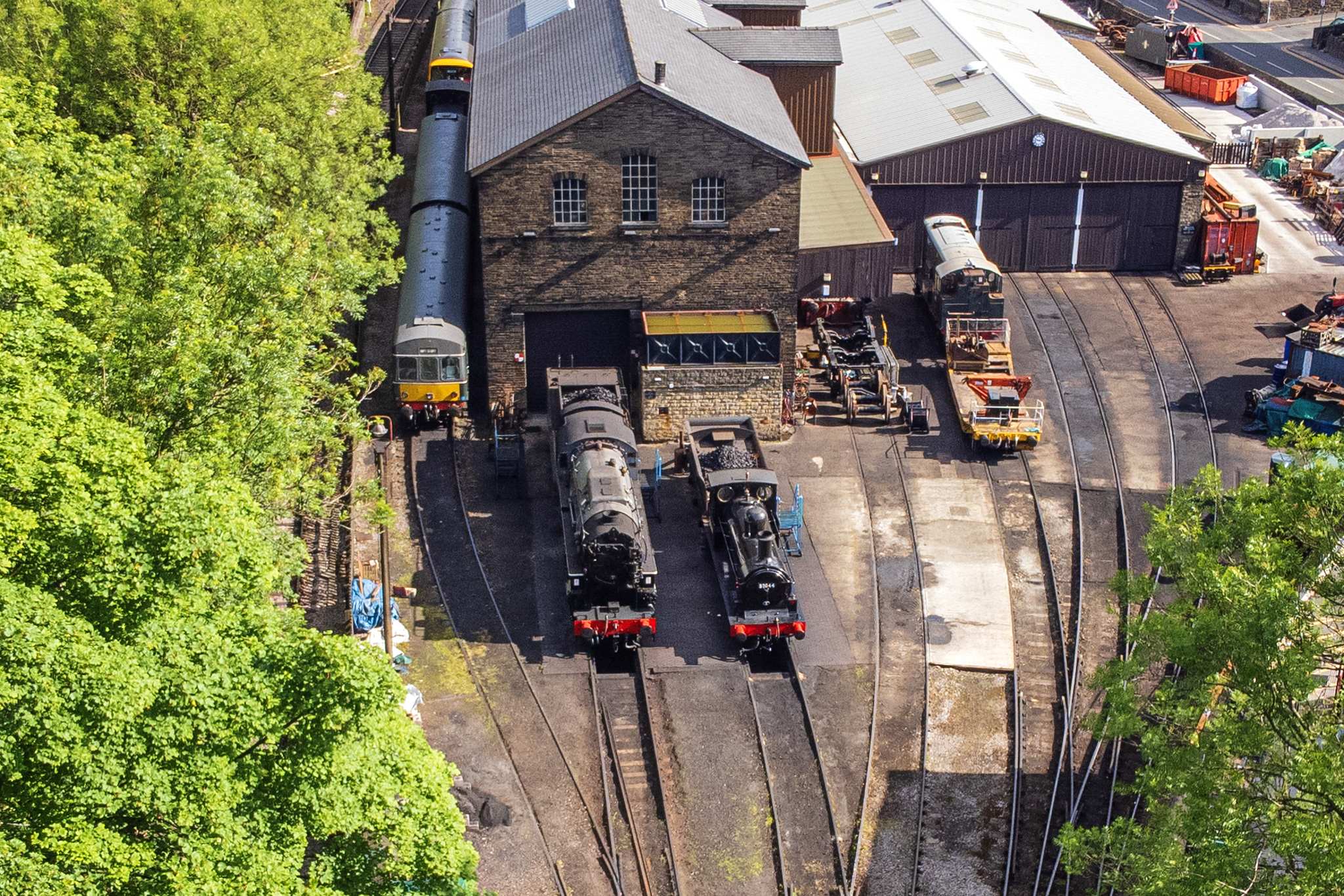
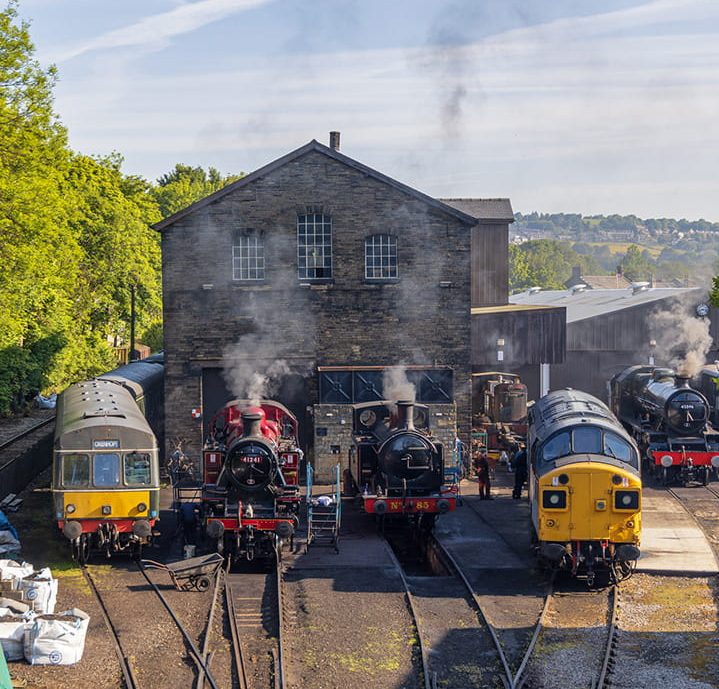
Rail doesn’t wait. Trains keep running and standards stay high. Add regulators, operators and contractors all pulling in different directions – and the margin for error disappears. We design civil engineering for rail projects that work inside those constraints, not against them – from upgrades and renewals to drainage, earthworks and structures.
Working beside a live railway isn’t standard civil engineering – it’s engineering with no margin for error. Access is controlled. Possessions are planned weeks ahead. Safety protocols are absolute. And the consequences of getting it wrong – structurally or operationally – are severe.
As railway civil engineers, we design with those constraints front and centre. From track drainage that protects formation and limits settlement, to structures designed for rail loading and movement, we understand the critical interfaces between civils, track, signalling and OLE. We design around those systems – not into them – delivering solutions that perform safely in the demanding environment of an operational railway.
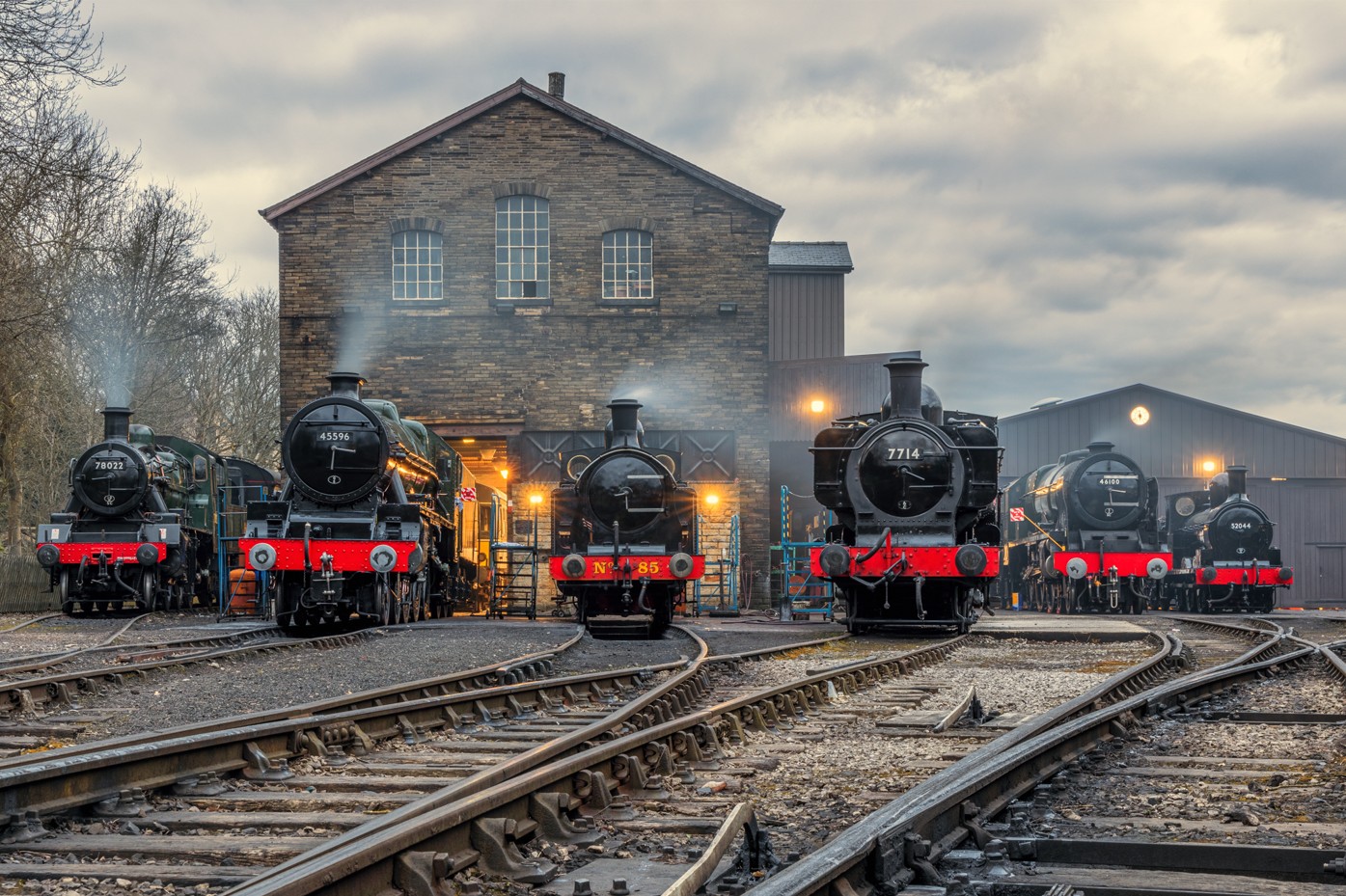
Rail projects leave no room for drift. Designs must reflect how works will actually be delivered – within tight possessions, limited access and strict safety controls. That means considering methodology as closely as structural performance. How does it get built in a four-hour window? What plant can reach the site? How does drainage tie in?
We also understand that rail projects don’t always start from scratch. Sometimes we’re brought in mid-project to provide specialist input on a specific element. We’re experienced enough to hit the ground running when the programme demands it.
Rail projects demand engineering that works within strict rules, tight timeframes and live operational environments. We bring both technical depth and practical delivery experience, supporting various types of rail schemes, covering:
Clients trust Dudleys because we understand the realities of rail delivery. Phased construction. Limited possessions. Safety-critical environments. Multi-disciplinary coordination. Our designs aren’t theoretical – they’re shaped around how works will actually be built and maintained. We’re known for:
In rail, there’s no room for guesswork. We provide measured, buildable engineering that stands up to scrutiny – and to the demands of a live network.
Railway civil engineering contractors design and build the civil infrastructure that supports rail operations, including track foundations, drainage systems, embankments, bridges, tunnels, and access routes, ensuring everything meets strict safety and operational requirements.
Early involvement is ideal to help shape designs and identify constraints before construction begins. However, we also have experience stepping in mid-project to resolve challenges, optimise existing plans, and support successful delivery.
We stay up-to-date with the latest rail industry standards and environmental legislation. Our designs integrate safety protocols and sustainable practices, and we collaborate closely with regulators and environmental specialists throughout the project lifecycle.
A possession is a scheduled period when rail lines are taken out of service for works. These windows are often short and tightly controlled. Civil engineering design must account for what can realistically be delivered within that timeframe – including plant access, sequencing and contingency planning.
Yes. Much of our experience involves projects delivered adjacent to or within live rail environments. We design with operational continuity in mind, carefully considering access, safety zones, phasing and coordination with rail operators.
We regularly coordinate with Network Rail, train operators and local authorities to support approval processes and technical submissions. Our aim is to provide clear, compliant documentation that helps avoid unnecessary delays.
We can. Our experience includes structural and civil works in station environments, where public safety, access and operational continuity are key considerations.