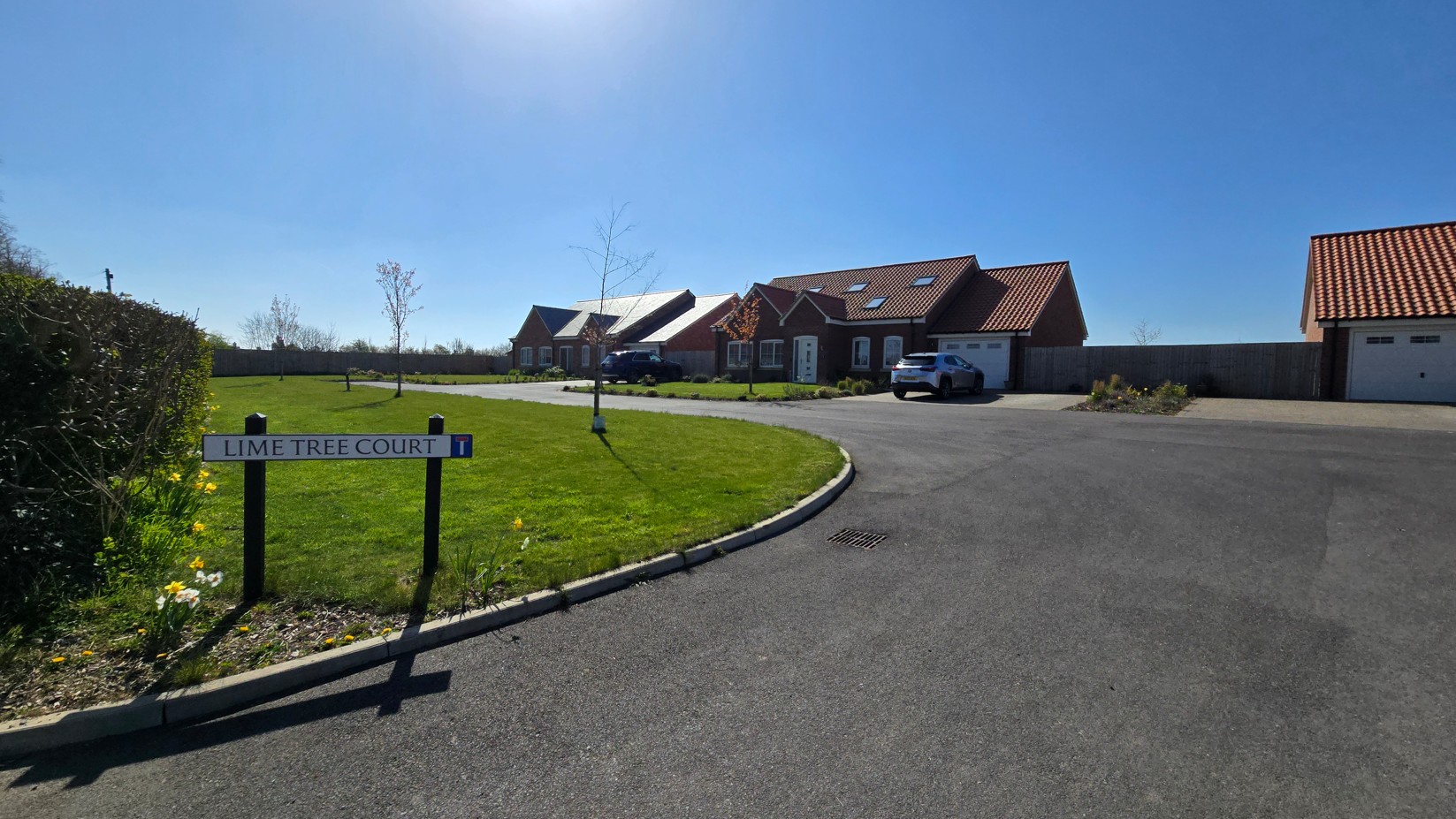
Roads that work on day one, and twenty years later. From estate roads to major junction upgrades, we design highways and access infrastructure that open smoothly on day one and keep carrying the load long after the ribbon’s cut.
A road can’t just work on a drawing – it has to work for cars, HGVs, cyclists, pedestrians and the refuse lorry that turns up on a Tuesday morning. That means visibility that suits the actual topography, drainage sized for real rainfall, geometry aligned to design speed and details contractors can build without constant queries.
As highway design engineers, we develop carriageways, junctions and access arrangements that combine technical standards with practicality. We think about construction sequencing – how does this get built on a live network without causing chaos? We consider future maintenance – how does the drainage get cleaned? Where does the gritter go? What happens when a kerb needs replacing? Design is only useful if it can be built, approved, and maintained. We focus on all three from the start.
Getting a highway scheme through the local authority is rarely straightforward. Standards vary between authorities. Technical reviewers have specific requirements. Section 38 and Section 278 agreements have their own timescales and documentation demands. And highways officers will find the detail that isn’t quite right.
We know how local authority highway approval works because we’ve been through it hundreds of times. We prepare technical submissions that are thorough, address known concerns upfront, and respond to technical queries without unnecessary back-and-forth. That keeps programmes moving and avoids the redesigns that happen when technical issues surface late.
Road schemes don’t succeed on standards alone – they succeed when design, approval and delivery all align. That’s why clients choose engineers who understand not just the rules, but how roads are actually built, adopted and used. We support highway and road projects including:
Focusing on clarity in design, coordination across disciplines and solutions that are straightforward to approve and build, clients value us for many reasons, including:
Good highway design keeps projects moving. Poor highway design holds them up. We aim (and succeed) firmly for the former.
Road work civil engineering covers the design and coordination of the physical infrastructure that allows a road to function safely and efficiently. At Dudleys, this includes carriageways, junctions, footways, drainage, kerbing, levels and associated external works. We design with construction, adoption and long-term maintenance in mind, ensuring the road performs properly as part of the wider transport network.
Transport planning focuses on how people and vehicles move to and from a site, assessing traffic impact and access strategy. Highway design translates that strategy into detailed, technical road layouts that meet safety standards and can be approved and constructed.
A Section 38 agreement allows a new road to be adopted by the local authority once it meets required standards. We prepare the technical designs and coordinate approvals to help roads move smoothly through the adoption process.
A Section 278 agreement covers works to an existing public highway – such as junction improvements or access alterations. We design and support these schemes in line with local authority requirements.
Yes. Many schemes involve tie-ins to existing roads that remain operational. We design with traffic management, phasing and construction sequencing in mind to minimise disruption.
Yes. Road drainage is critical to safety and longevity. We design surface water systems that manage runoff effectively, protect the pavement structure and comply with SuDS and highway standards.