Heathrow is constantly evolving, and every change made such – as reconfiguring a car park, installing a new illuminated sign or building a steel frame for a piece of ground equipment – depends on infrastructure that has to keep working while millions of passengers pass through every year. Much of this work happens out of sight: fixings, drainage, foundations and structural surveys that go unnoticed unless something goes wrong.
Supporting British Airways at their HQ and working on the wider Heathrow Airport, Dudleys has taken on a series of these projects across the airport, each with its own access restrictions, structural quirks and operational pressures to work around.
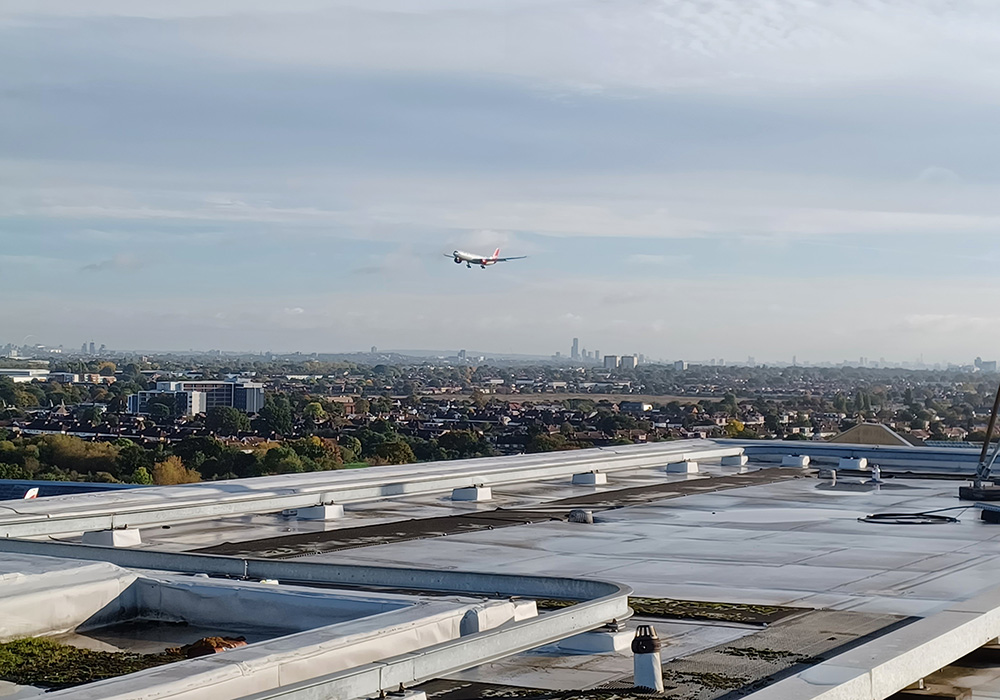
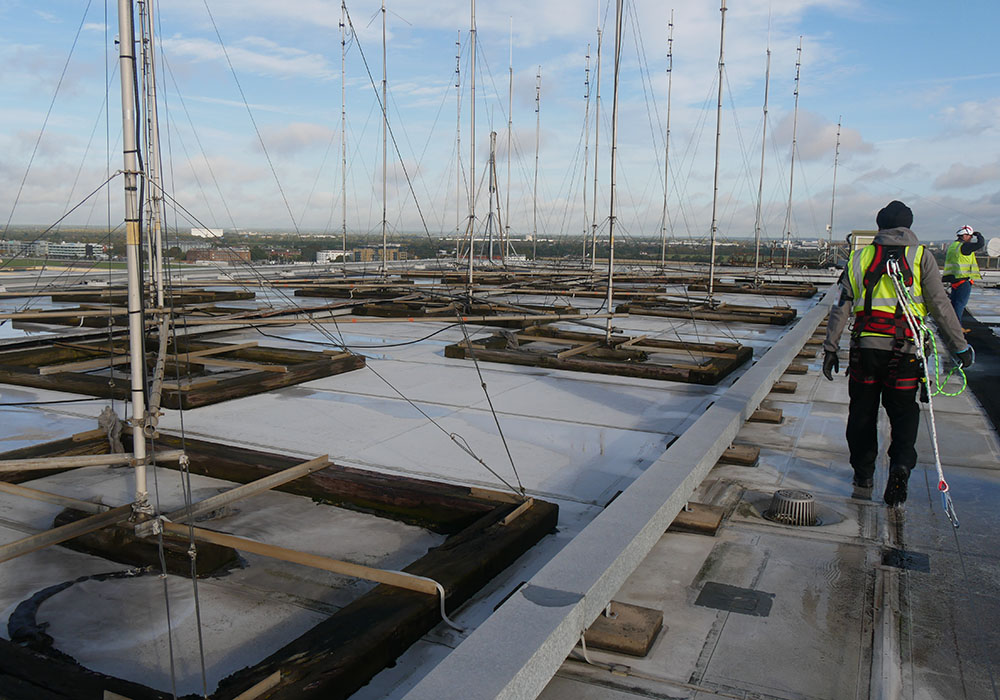
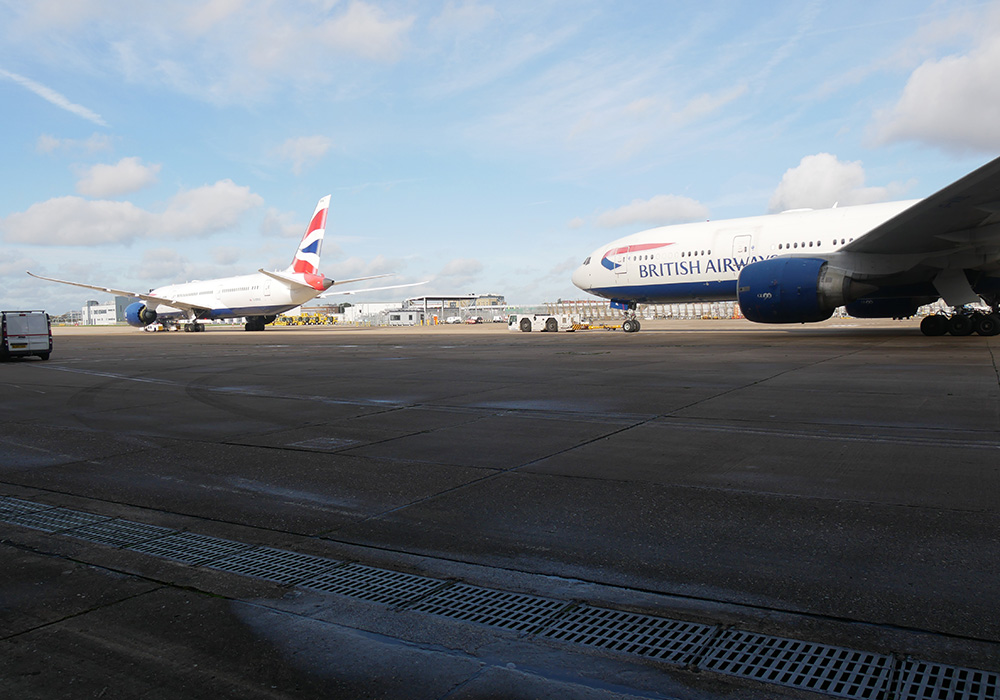
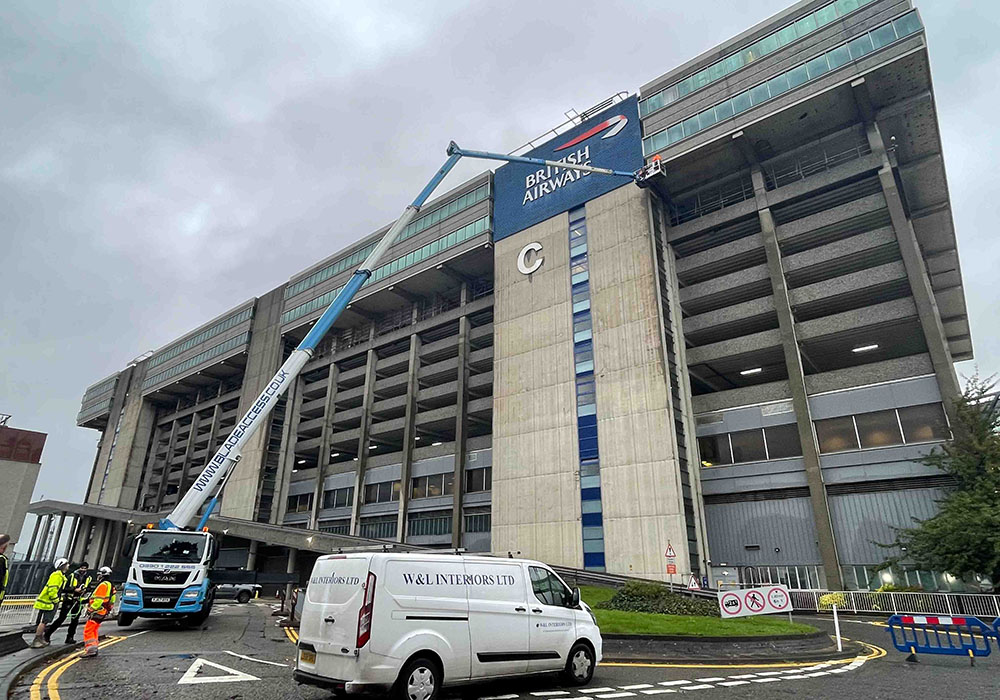
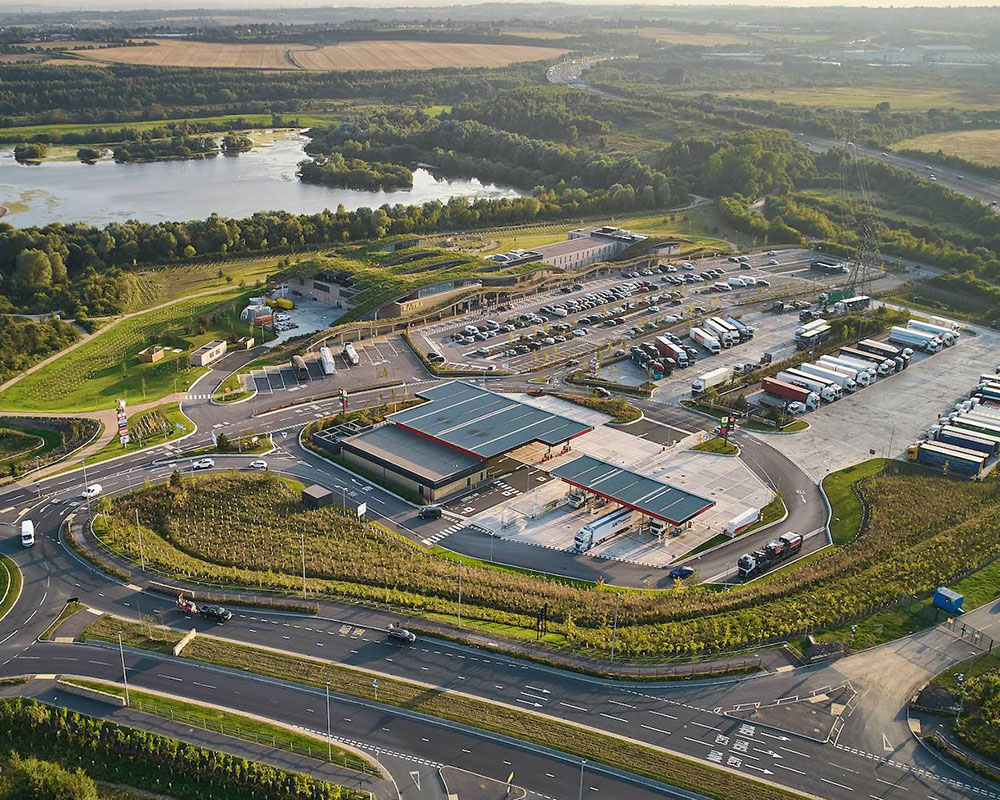
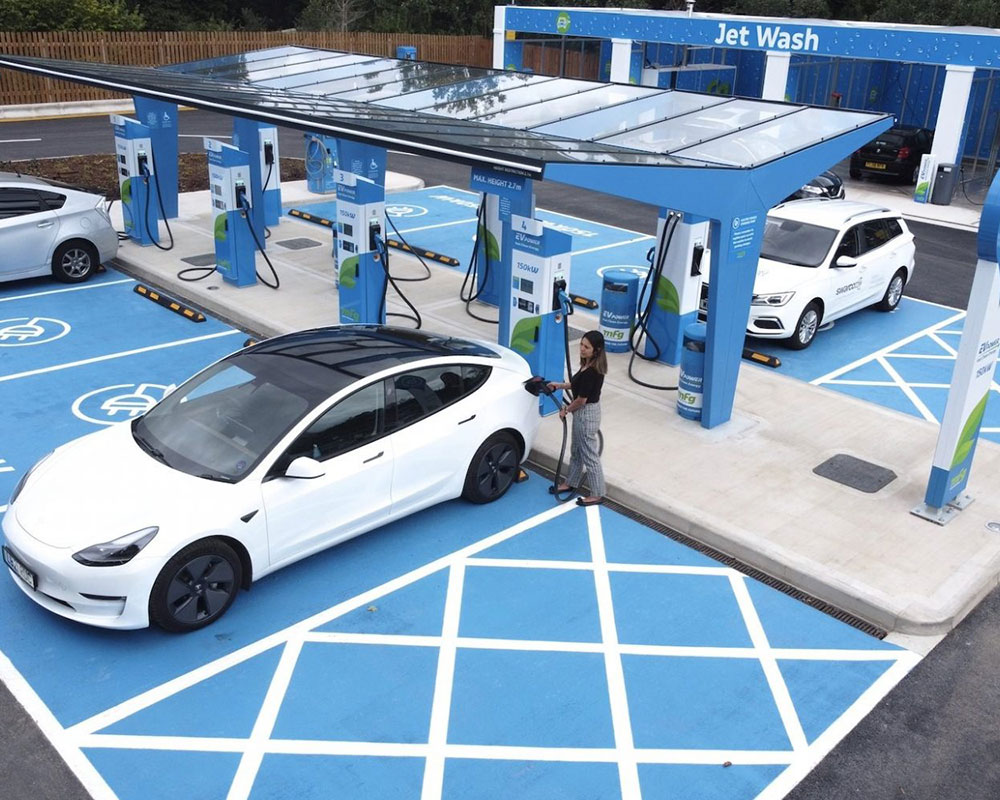
Dudleys’ work at Heathrow spans car park reconfiguration, structural surveys and new-build design. At Terminal 4, this has meant redesigning kerbs, entrances, bus stops and laybys to extend the car park’s working life ahead of a future redevelopment – plus new speed signage and directional arrows to manage the revised traffic flows. Reusing what was already there, rather than defaulting to a full replacement, also meant less material, less cost, and less disruption.
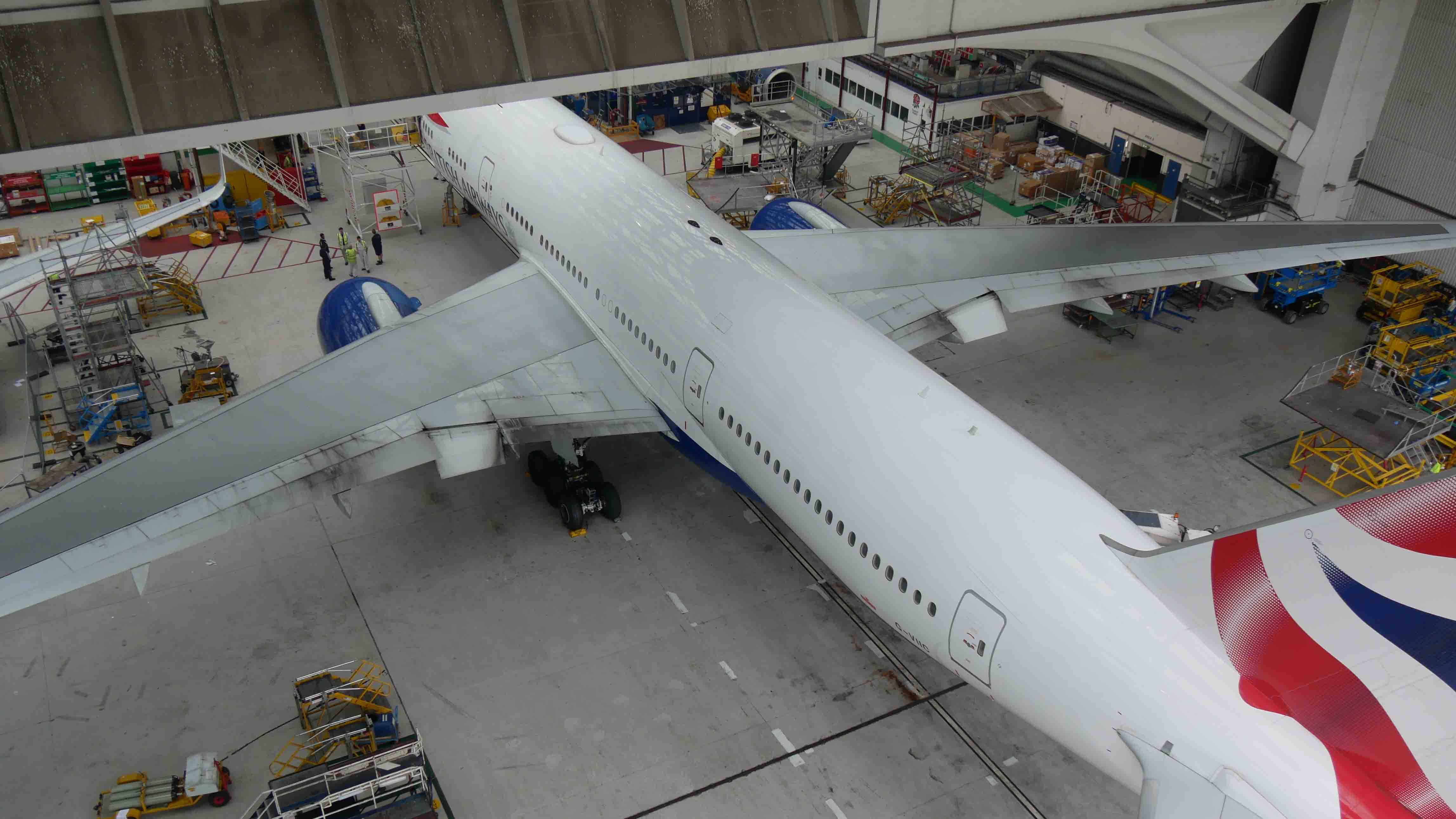
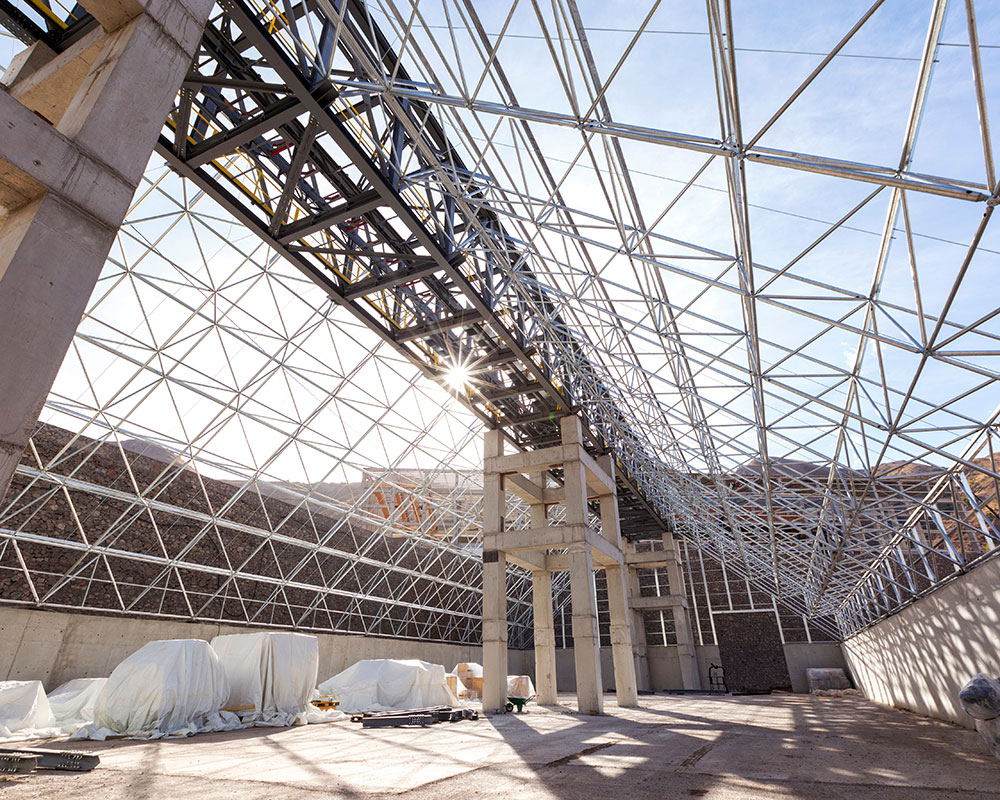
When it came to British Airways HQ, we carried out a structural survey using a cherry picker 20-30 metres up, and assessed cladding just a millimetre thick ahead of installing a new 24-metre illuminated sign. Elsewhere, a newly designed steel frame now supports a large-scale vehicle wash facility, and new foundations and drainage serve a car park amenities block for taxis and private hire.
“We're not the glamorous face of big terminals - our job is to keep things running smoother and more efficient in the background.”
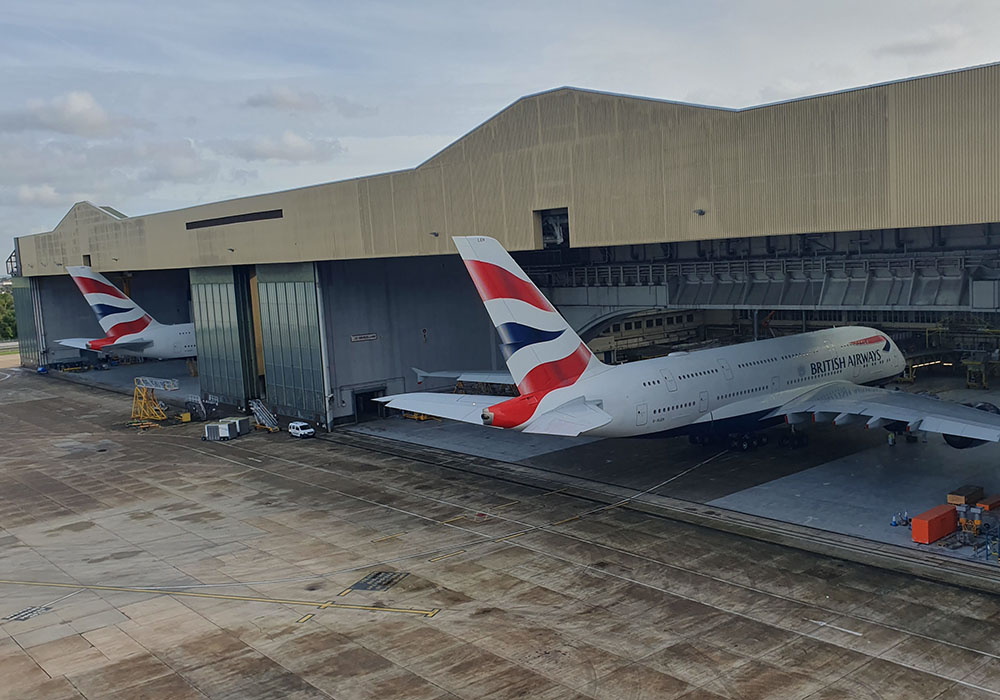
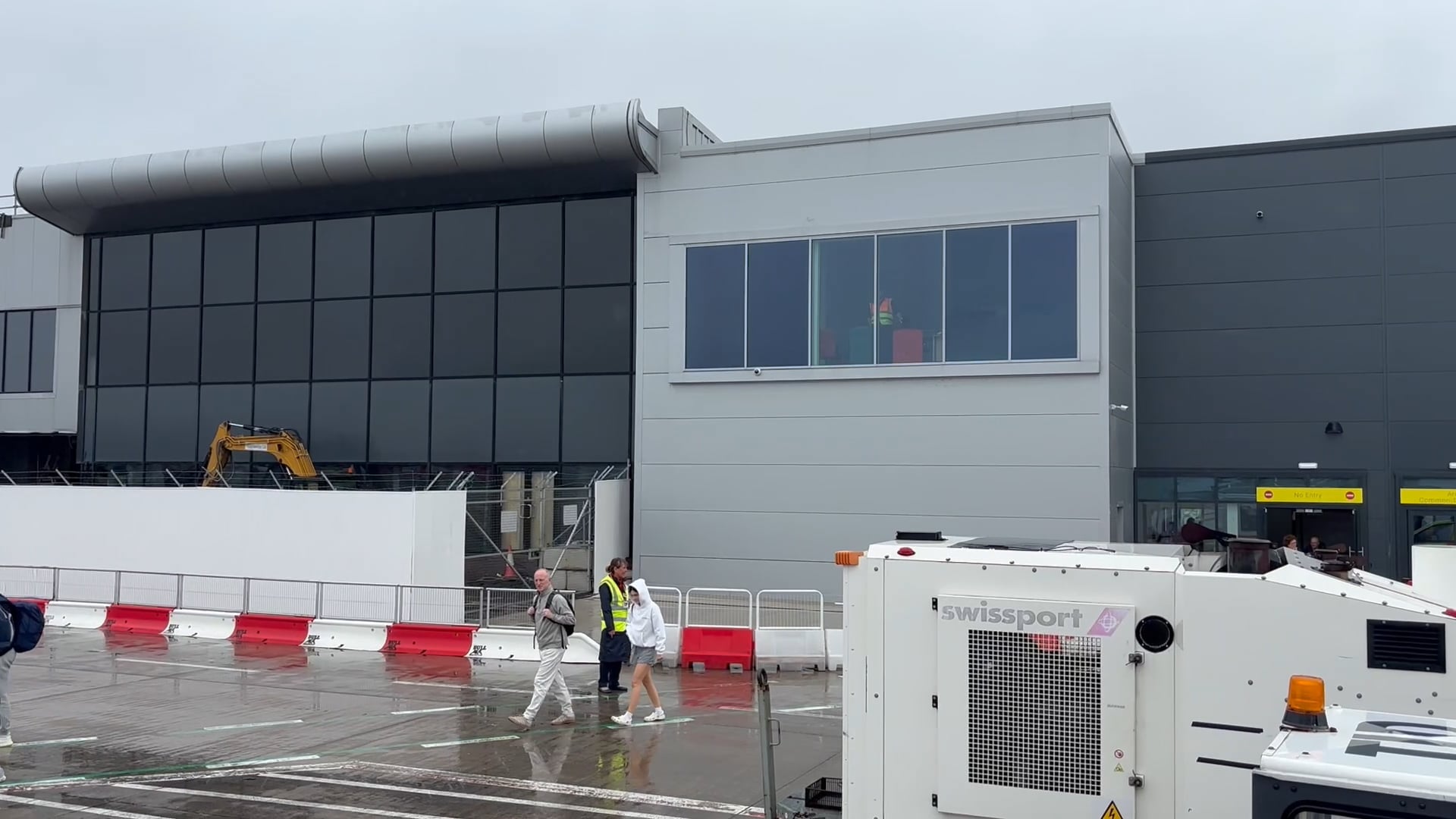
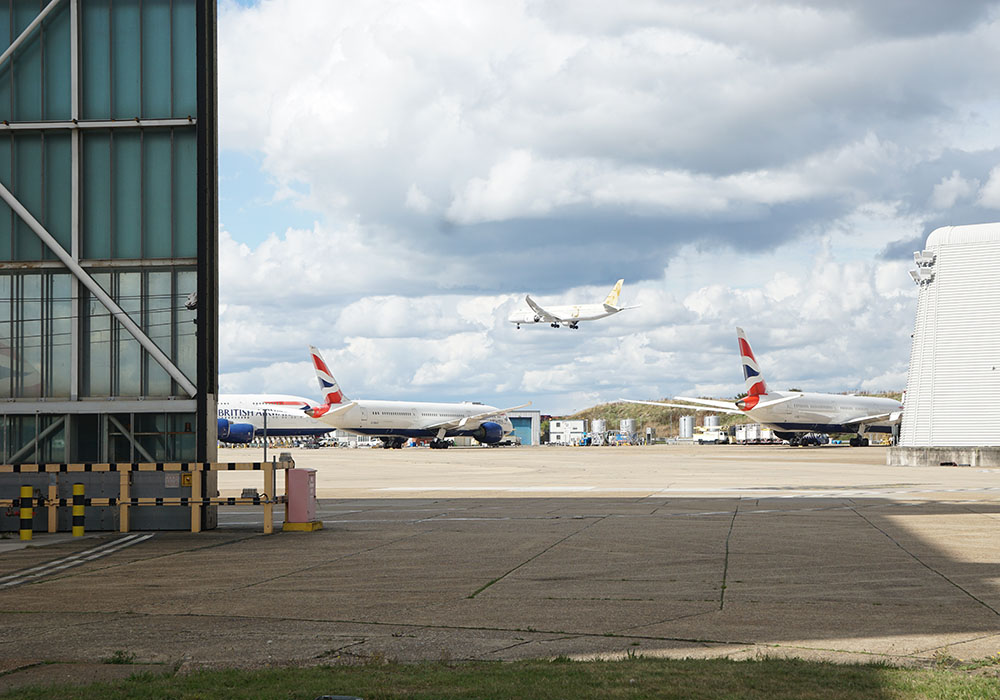
Heathrow presents a different set of challenges to a typical construction site. Heathrow is a live, operational airport, so safety and continuity are critical. The cost and consequences of disrupting airport operations can be significant, potentially running into millions of pounds. If an aircraft needs access to an area where we’re working, the work has to stop, the area cleared and airport operations allowed to continue. Our teams therefore need to be flexible, pausing and restarting work around the airport’s operational requirements.
Part of the challenge is that some of the buildings Dudleys work on are also listed, adding another consideration when assessing or adapting existing structures. Access has to be booked and permitted well in advance, but even then plans can change at short notice. Work has to be carefully planned around what is happening on site, rather than the other way around. Safety is treated with the same priority throughout, with teams kept well clear of aircraft and active stands at all times.
Sustainability and value engineering play a growing role too. Wherever possible, we survey and reuse what’s already in place rather than specifying new materials – reducing cost, embodied carbon, and the disruption of a full replacement. That approach shaped the signage survey: understanding what was already behind the cladding meant the existing structure could be reused rather than replaced outright, and it’s a principle carried through at Terminal 4 too, where kerbs, entrances and laybys were redesigned to extend the car park’s working life rather than starting again from scratch.
For passengers, none of this is visible, and that’s the point. A car park that stays open through years of work, clearer traffic flow at a moment when the airport’s layout is changing around them, taxis and private hire vehicles served by facilities that simply work: these are the small things that shape whether a journey through Heathrow feels efficient or stressful. Getting them right depends on engineering that’s planned around passengers’ everyday experience of the airport, not just the project’s written brief.
This combination of technical understanding and operational awareness has built a long-standing relationship with British Airways’ project team. Instructions typically come through the same architect on repeat projects, and after several years of familiarity, Dudleys is now the preferred structural and civil engineer for infrastructure work across the airport.
Dudleys provides structural and civil engineering support across Heathrow, including projects at British Airways’ headquarters and Terminal 4. Our work has included structural surveys, new signage, car park reconfiguration, foundations and drainage. For the new BA sign, we assessed the existing steelwork to see if it could be safely reused, avoiding unnecessary replacement works.
The main challenge is working around a live airport. Access can change, work may need to stop at short notice and everything has to be coordinated around aircraft movements and airport operations. There are also listed buildings to consider on some projects, so every job comes with its own set of practical constraints.
All work is carefully planned and coordinated with Heathrow’s operations team. Access requirements, permits and working areas are agreed in advance to minimise disruption, while teams are kept clear of active aircraft stands and operational areas. Importantly, if airport operations require the space, work stops and the area is cleared immediately. Our flexible approach allows the airport to operate safely while engineering works progress around it.
Working within a live airport environment requires more than simply delivering technically sound engineering. Dudleys understands the need to coordinate closely with site operations, work within restricted access windows and respond quickly when operational requirements change. This means projects can progress safely while minimising disruption to critical airport activities.
Dudleys assessed the existing steel panel and supporting structure to establish whether it could safely accommodate the proposed new signage. Rather than automatically replacing the existing structure, we investigated whether it could be reused, helping to minimise unnecessary works, cost and disruption.
Yes, where appropriate, Dudleys assess existing structures to determine whether they can be safely retained, adapted or reused. This can help clients avoid unnecessary demolition and replacement, reducing both project costs and disruption while still ensuring the proposed works meet the required structural and safety standards.