Flood Risk Assessment
Sort flood risk early. Keep planners onside. Get on with the build. Dudleys prepares clear, compliant flood risk assessment removes one of planning’s biggest hurdles – without overcomplicating manageable risk.
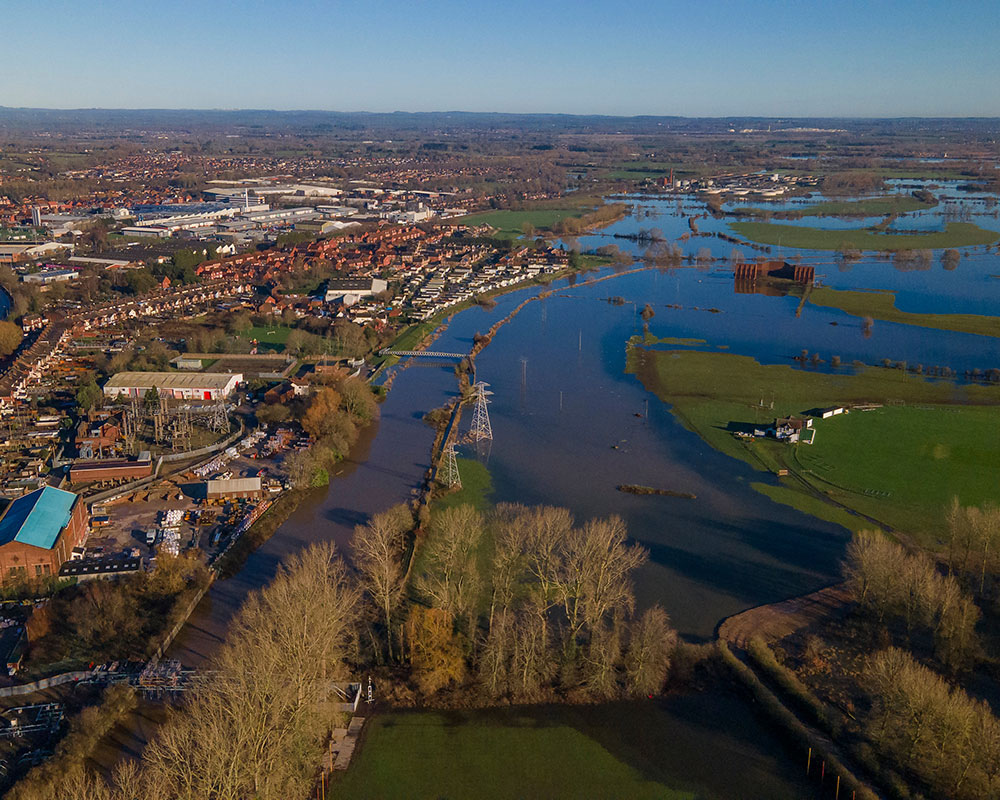
Sort flood risk early. Keep planners onside. Get on with the build. Dudleys prepares clear, compliant flood risk assessment removes one of planning’s biggest hurdles – without overcomplicating manageable risk.
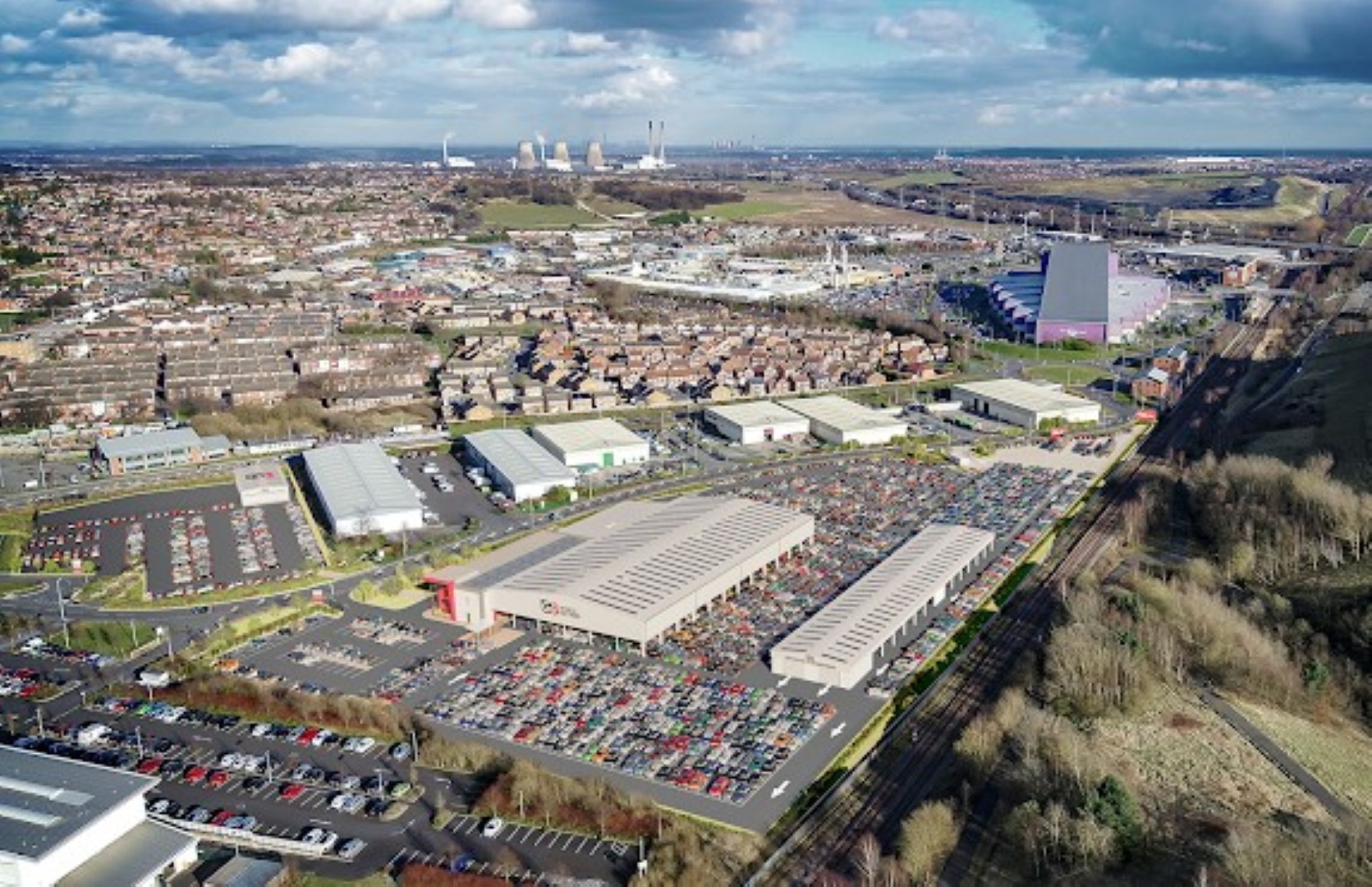
A flood risk assessment (FRA) proves you’ve thought about flooding – where it might come from, how you’ll manage it, and crucially, that you’re not making it worse for anyone else. It’s a planning requirement for most sites in flood zones 2 and 3, and sometimes even in zone 1 if there’s surface water risk or the site’s big enough.
Done right, an FRA removes doubt. It shows the Environment Agency, the Local Lead Flood Authority, and planning officers that flood risk has been properly understood and dealt with. Done badly – or left too late – it becomes the thing that holds everything up while you scramble for more data or redesign the levels.
At Dudleys, we get FRAs done early and done right. We focus on what actually matters for your site: the real sources of risk, the practical mitigation that’ll work, and the evidence that planners and regulators need to sign it off. No jargon, no worst-case scaremongering. Just proportionate advice that moves projects forward.
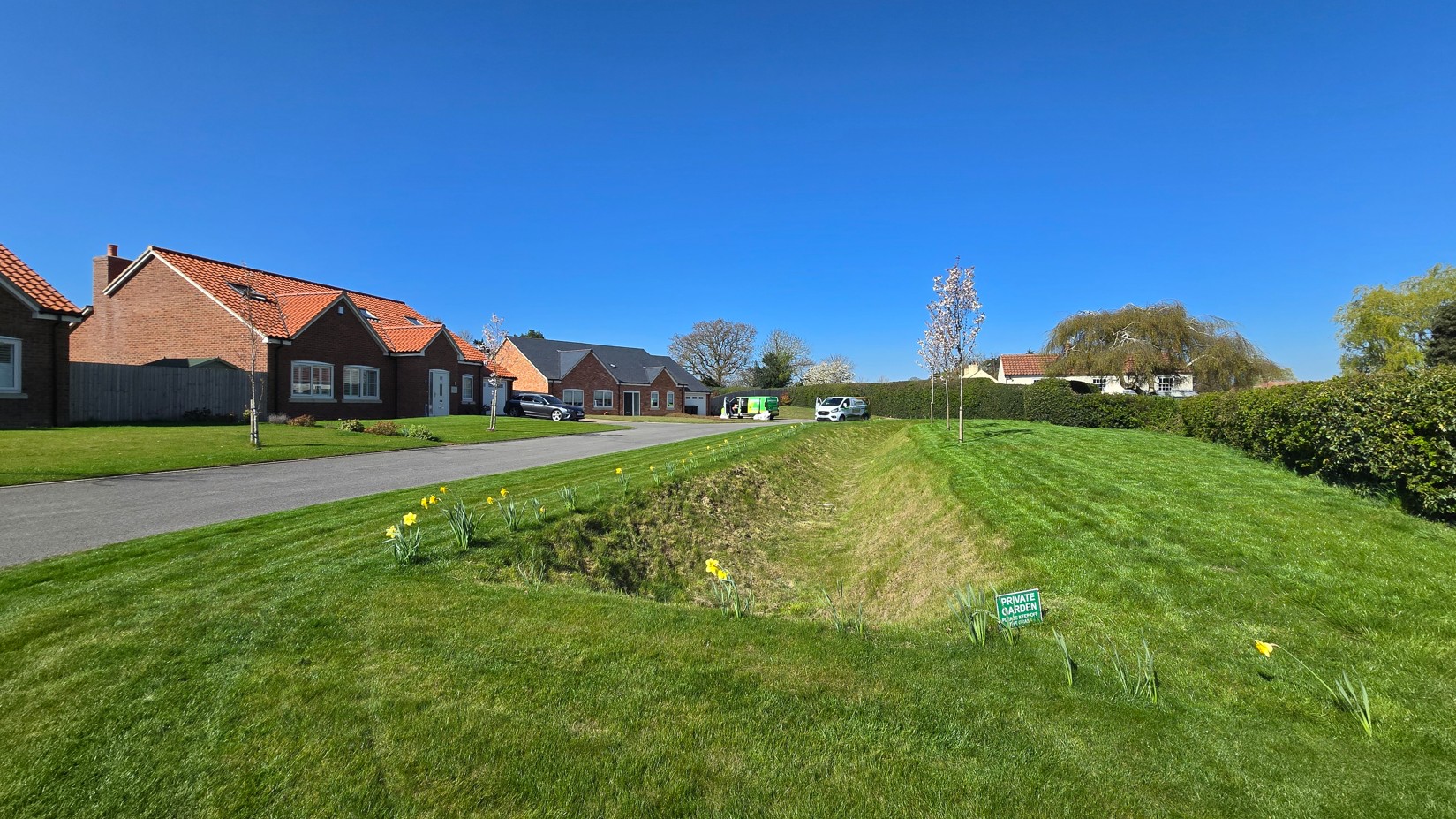
Flood risk can feel like a planning blocker, especially on brownfield sites or anywhere near a river. But it doesn’t have to be. We work with the flood constraints, not around them. That means coordinating flood risk advice with drainage strategy, site levels, access routes – all the things that actually affect how the site functions. Because there’s no point designing a flood-safe building if the access road’s underwater every winter, or if your drainage doesn’t tie in with the finished floor levels.
Our flood risk assessments typically cover:
Flood risk can’t be looked at in isolation. That’s why our advice is fully coordinated with the wider design, making sure the flood strategy fits the site and the scheme – not the other way round.
We take a joined-up approach, working closely with architects, drainage engineers, civils teams and planners to make sure the flood strategy actually fits the development – and that everything ties together before you submit. Where schemes need Environment Agency or LLFA sign-off, we handle that engagement too. Calmly. Clearly. With the technical backup to answer the awkward questions.
The earlier you sort flood risk, the fewer headaches later. If you’ve got a site in a flood zone, or you’re just not sure whether you need an FRA, we’re the people you can count on. Just practical advice from people who’ve done this plenty of times before.
A flood risk assessment is typically required for development in flood zones 2 or 3, sites of 1 hectare or more in flood zone 1, changes of use to more vulnerable development such as housing, or schemes that alter drainage, floodplains, or surface water flows. An FRA may also be required whenever the Local Planning Authority requests one as part of a planning application.
Depends on the site, the flood zone, and how complex it is. We price based on what’s actually involved, not a one-size-fits-all fee. We’ll give you a clear quote once we’ve looked at the site
For planning purposes, flood risk assessments should be prepared by experienced professionals. Local authorities and the Environment Agency expect assessments to be undertaken by competent flood risk assessment consultants with appropriate technical knowledge.
Flood risk assessments are reviewed by the Local Planning Authority, often with input from the Environment Agency or Lead Local Flood Authority (LLFA), depending on the site and flood risk type. The assessment needs to be clear, proportionate and technically robust to satisfy all parties.
Timescales depend on site complexity and data availability. Straightforward assessments can often be completed within a few weeks, while more complex sites – particularly those involving Environment Agency consultation – may take longer. We’ll advise on realistic timescales from the outset.
Not necessarily. An FRA isn’t there to block development – it’s there to demonstrate that flood risk has been properly understood and managed. In many cases, suitable mitigation measures allow development to proceed safely and in line with planning policy.
Typically, we’ll review site location, proposed development details, ground levels, drainage proposals and available flood data. Where additional information is needed, such as topographical surveys or drainage details, we’ll flag this early so there are no surprises.