You want your development to go up smoothly, stay on budget and stand up properly – that’s a given. That’s where we come in. Trust Dudleys to be your steel structural design engineers and ensure everything fits, lifts and works first time.
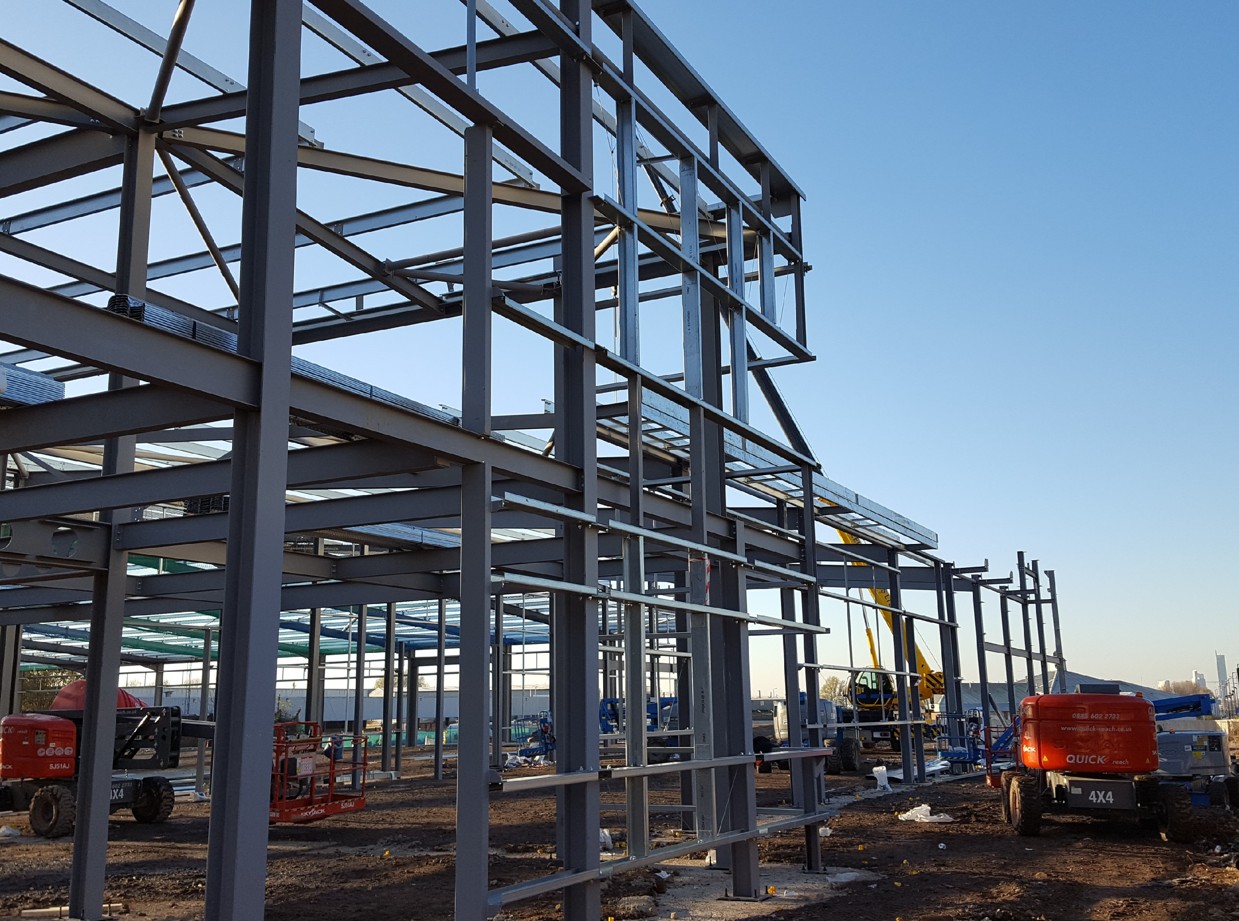
Steel structure design is about getting the backbone of the building right. It’s the frame that takes the weight, holds everything together and lets the rest of the job run smoothly – whether the building’s carrying people, plant, stock or services.
When it’s thought through properly, a steel frame gives you the strength you need, the freedom to create open layouts or adapt in the future and an efficient use of material that keeps costs down. Just as importantly, it goes together cleanly on site – without slowing the job down.
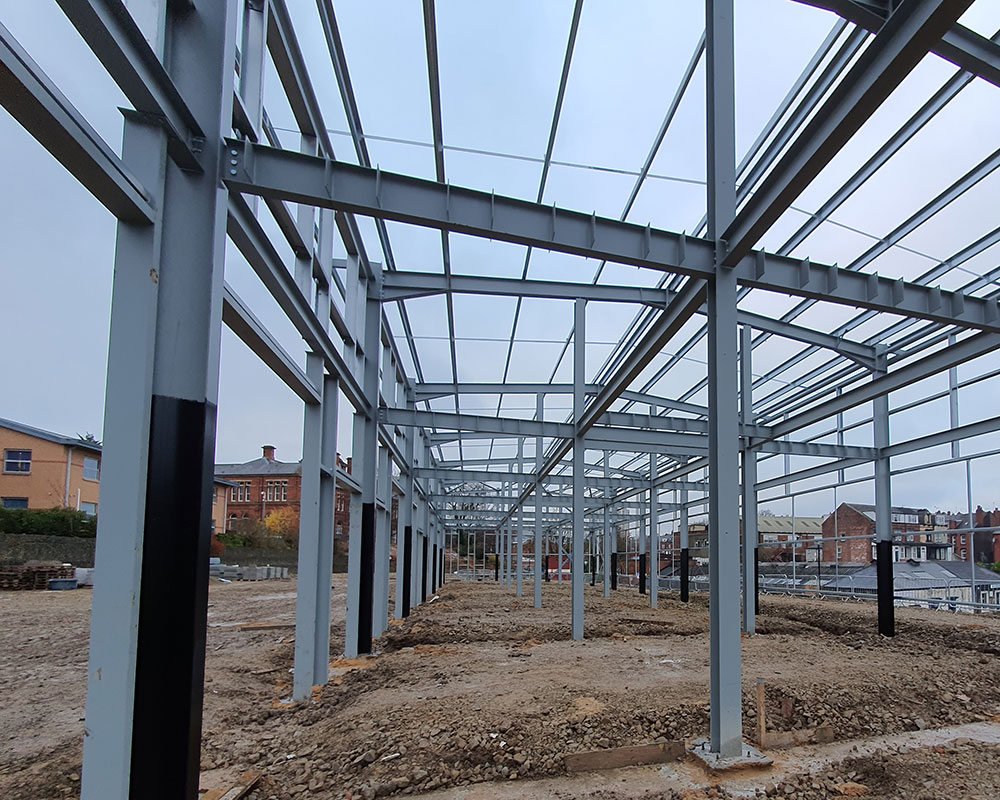
We design steel the way it’s meant to be built. That means thinking about lifts, connections and sequencing early on – not after drawings are issued. Keep it simple, keep it buildable and avoid problems before they hit site. We get involved early and work closely with clients, architects and contractors to shape steel frames that go together cleanly, keep costs sensible and don’t slow the job down.

In short, we focus on:
You’ll deal directly with experienced engineers who understand how steelwork actually goes in – and who stay involved from first sketches through to construction.
Steel turns up in all sorts of places – from straightforward industrial frames to complex, tightly constrained buildings where everything has to work first time.
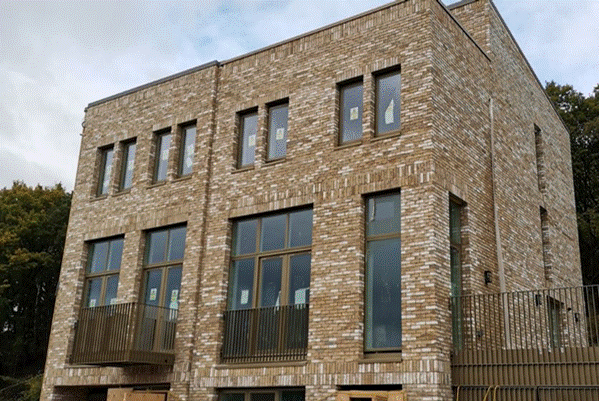
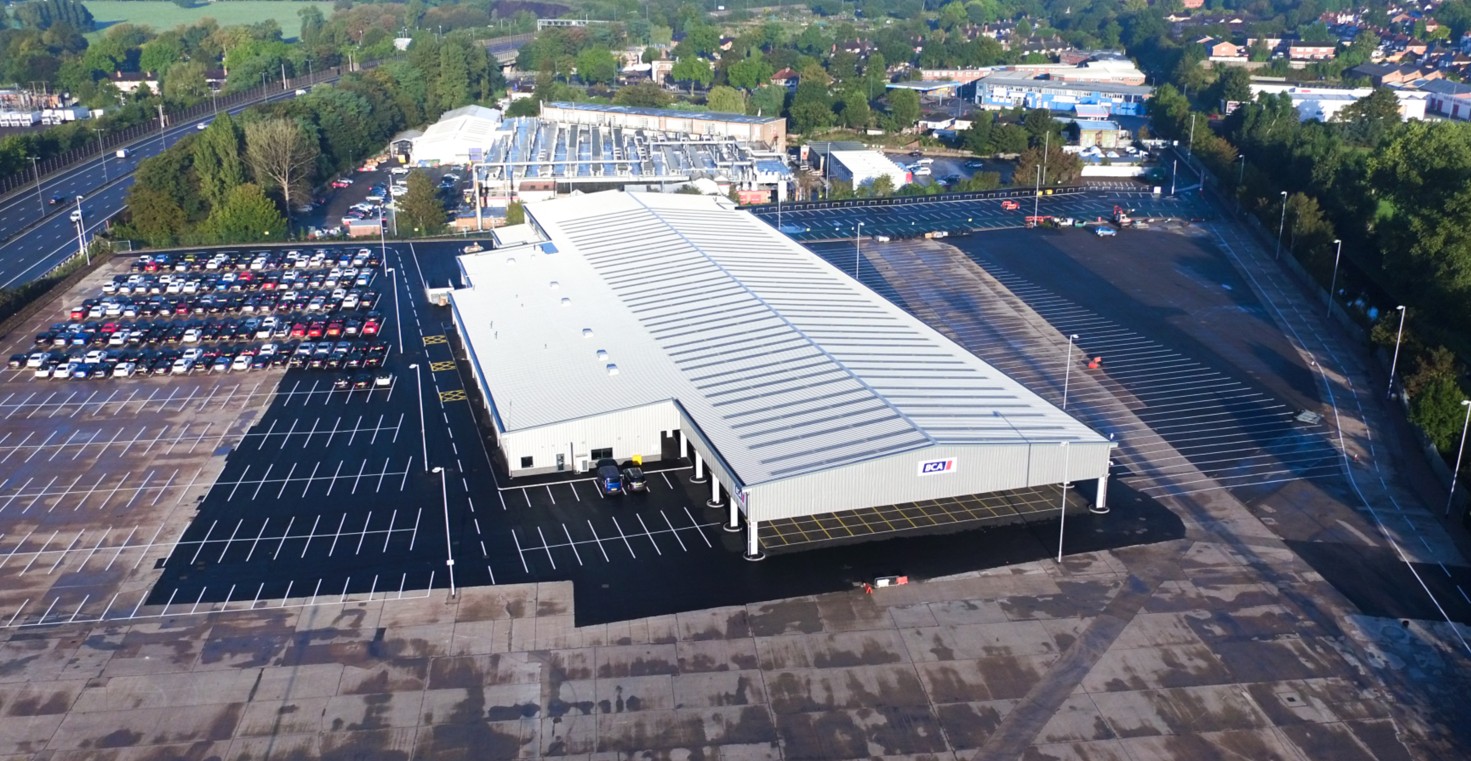
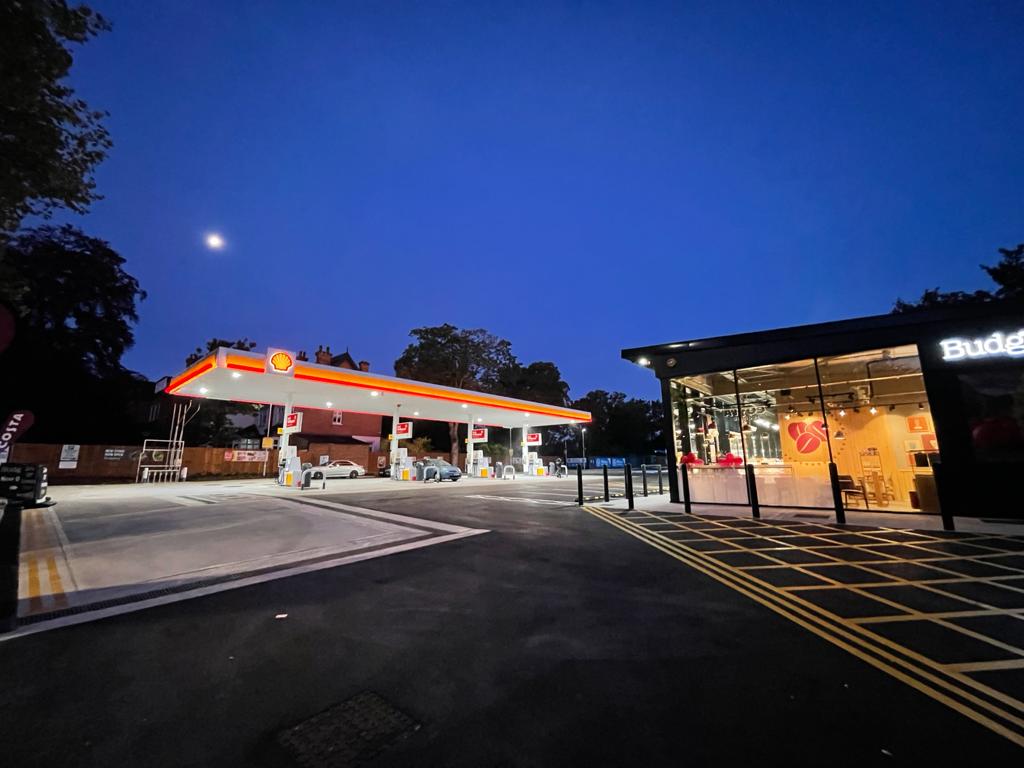
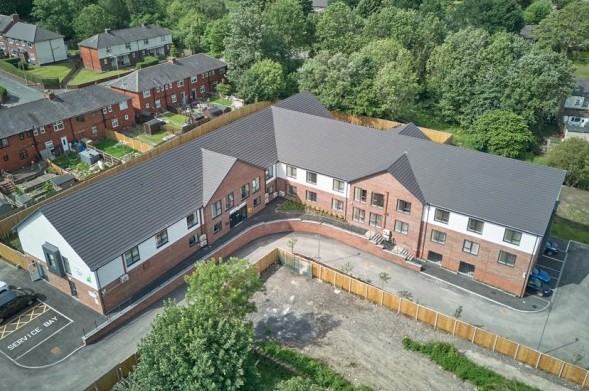
At Dudleys, we’ve designed steel structures across commercial, industrial, retail, education and public sector projects, dealing with everything from simple portal frames to long spans, transfer structures, mezzanines and awkward site conditions.
Good engineering should make life easier. That’s what we’re known for.
Steel structure design involves engineering the steel framework that supports a building. It covers the sizing of steel members, the design of connections and stability systems and making sure loads are carried safely down to the foundations – all in line with UK standards and relevant Eurocodes.
Steel is often the preferred option where long spans, open layouts or fast construction programmes are required. Its adaptability also makes it well suited to projects where future alterations or extensions are likely. It is commonly used across commercial, industrial and mixed-use developments, as well as many public sector schemes.
Definitely – and that’s where good steel design really happens. We work closely with architects and contractors to make sure the structure is coordinated, buildable and realistic, not just technically correct.
The earlier the better. Getting involved at feasibility or concept stage lets us shape the frame before decisions are locked in – which usually means fewer compromises, fewer changes later and a smoother build.
By keeping a level head. We focus on layouts that make sense, member sizes that do the job without overdoing it, and value engineering that actually adds value – not just cost cutting for the sake of it.
Yes. We regularly work on extensions, alterations and strengthening schemes, where new steel has to work around existing buildings. That means understanding what’s already there and designing solutions that fit, rather than forcing something that doesn’t.
We do. Live sites come with extra pressure – safety, sequencing and limited access all matter more. We design with those constraints in mind, so steelwork can be installed safely without disrupting what’s already going on.
Yes. If a project needs a second opinion, extra support or a fresh pair of eyes, we can review existing designs or step in and take things forward – calmly, clearly and without drama.