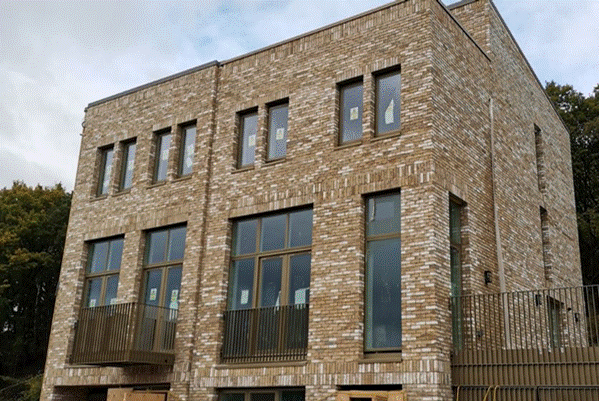
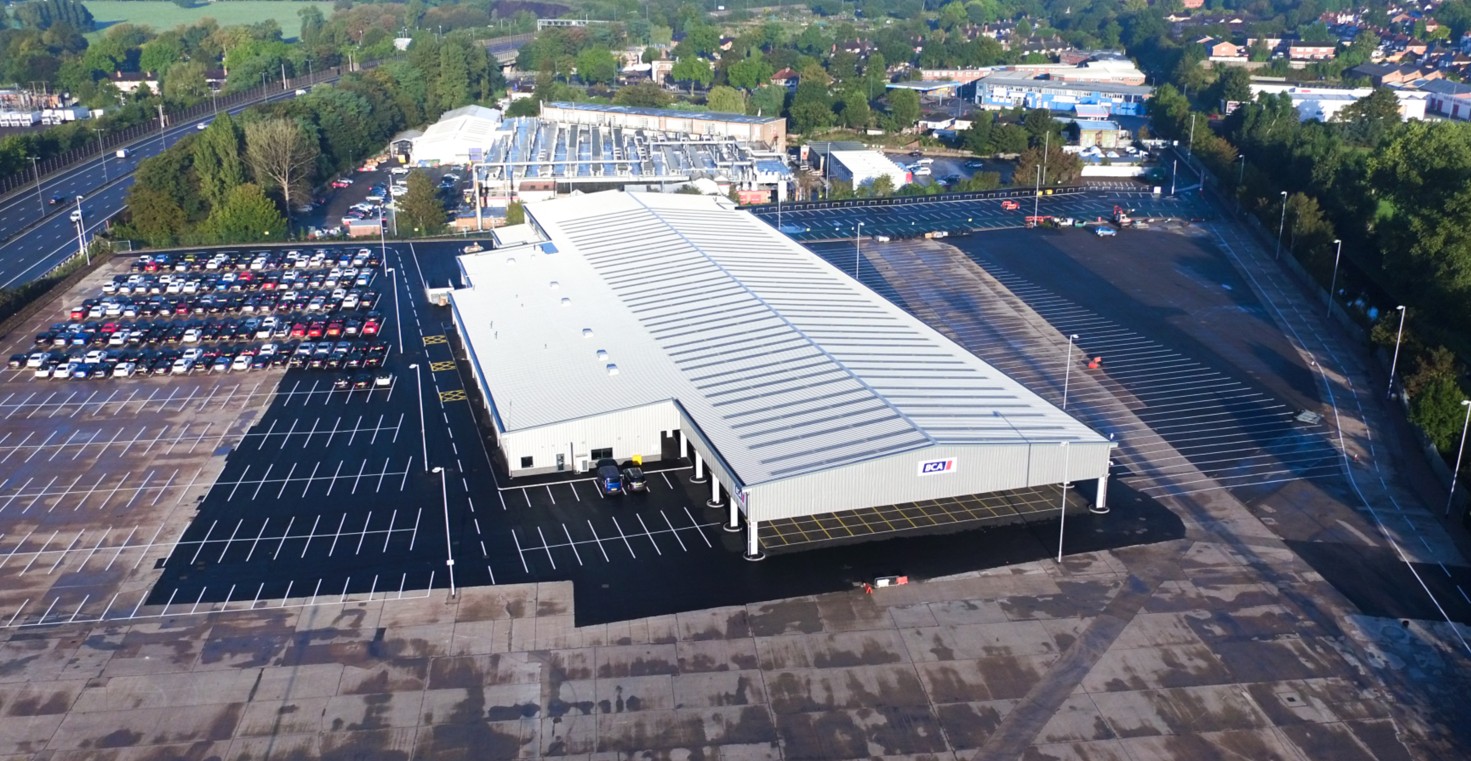
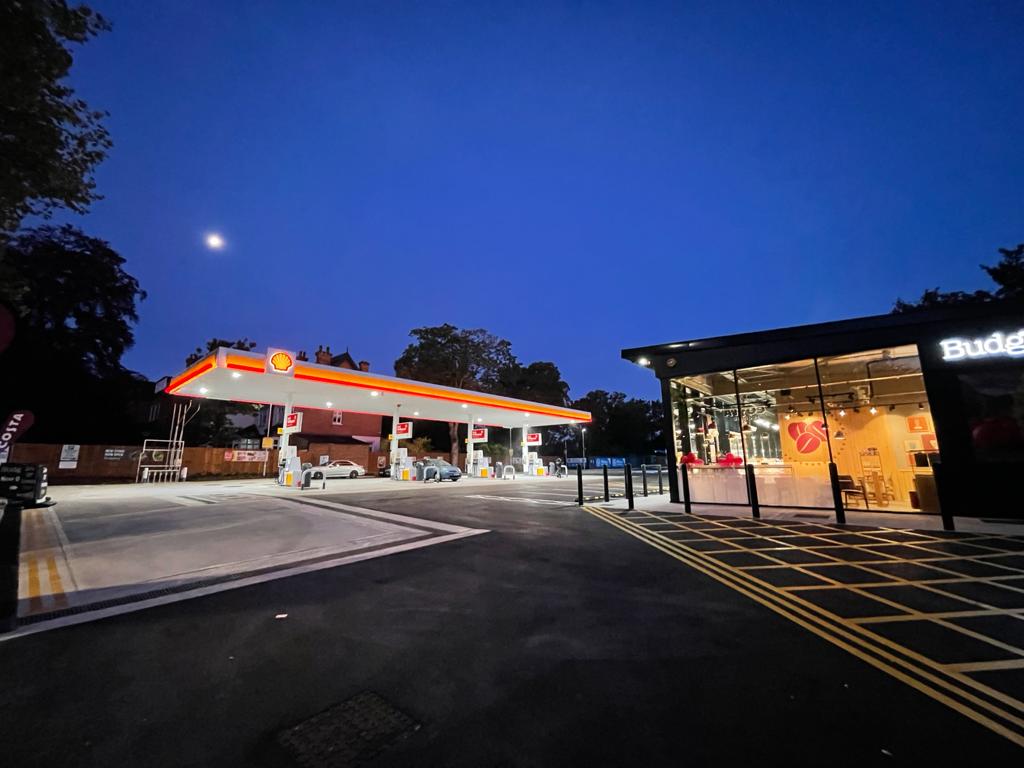
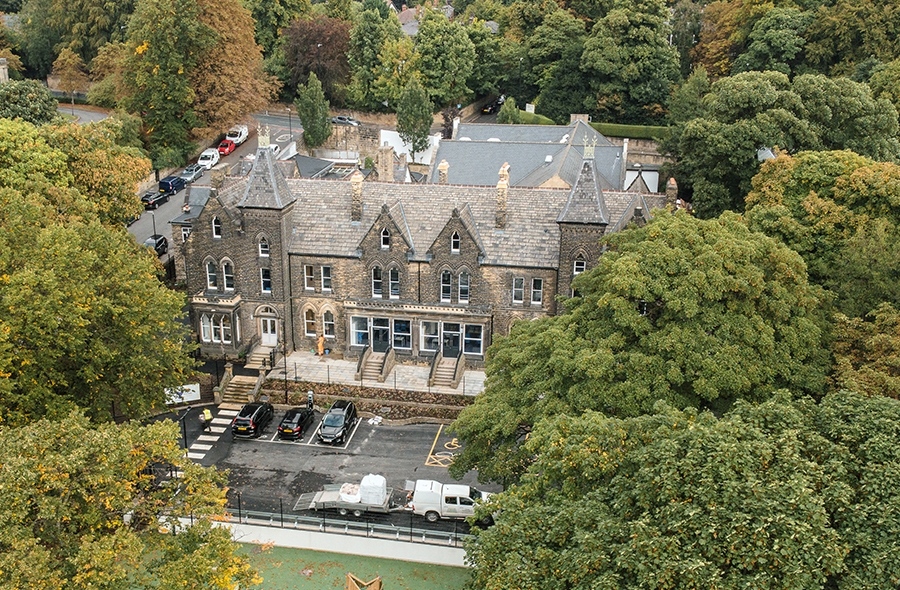
Timber frame designs are faster to build and lighter on foundations, but they only work when the engineering’s right. We provide timber frame structural design for residential, commercial, and education projects – keeping layouts clear, tolerances managed and everything coordinated so the structure goes up without drama.
Timber frame isn’t complicated – but it is unforgiving when the details aren’t right. Think panel sizes that don’t account for manufacturing tolerances, load paths that work on a drawing but create awkward connections on site, junctions between the timber frame and the foundations, roof or external envelope that nobody properly thought through.
As timber frame design engineers, we focus on the details that matter, working with architects and contractors from the early layout stage – because timber frame works best when it’s considered from the start, not engineered around a design that was developed without it in mind. We also coordinate directly with timber frame manufacturers – aligning structural intent, tolerances, and connection details so what gets manufactured matches what’s needed on site. Small misalignments on drawings become expensive problems in the factory.
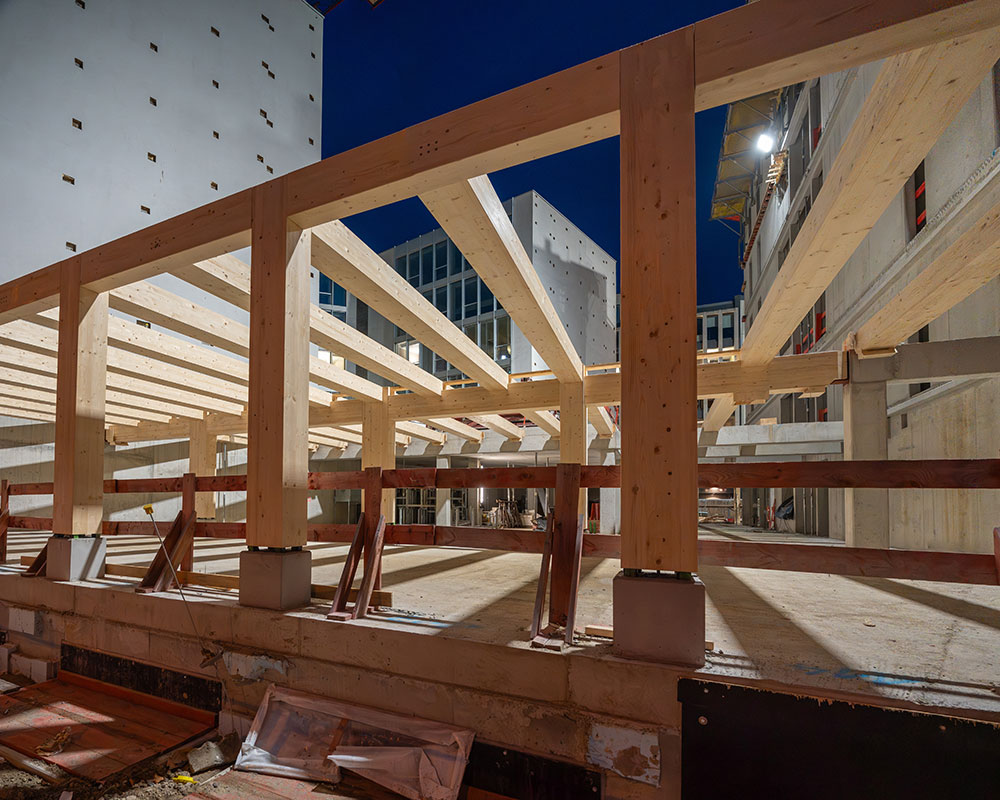
Timber frame works best when it’s considered early, not added in later. We collaborate from the outset with architects, contractors and clients to shape layouts that suit the building and remain practical to manufacture and install.
We think about sequencing – what goes up first, how panels are braced before the roof is on, how openings are formed safely. And of course, we consider fire performance, moisture protection and long-term durability – not as afterthoughts, but as part of the structural detailing. And we stay involved during construction, answering queries and resolving the coordination issues that always come up when timber frame meets the rest of the building.
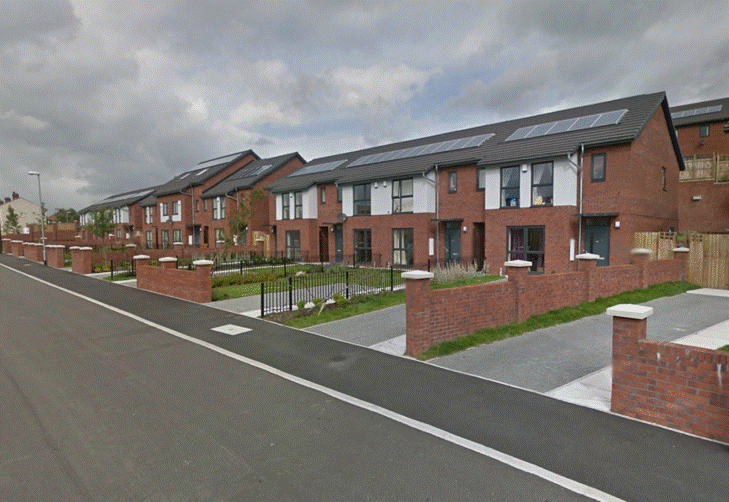
Timber frame suits projects where speed, weight and sustainability matter. In residential development, lighter structures can reduce foundation costs and accelerate programme. In education and public sector buildings, the speed of construction minimises disruption. In extensions and refurbishments, timber frame can be introduced where traditional construction would impose too much load on existing structure. It’s not always the right answer – but when it is, it delivers genuine advantages.
The key is getting the engineering right from the start so those advantages aren’t eroded by coordination problems, manufacturing delays, or site issues that could have been avoided. All designs comply with UK Building Regulations and relevant Eurocodes. Every design is internally checked before it leaves us, backed by internal quality assurance and measures to ensure everything complies with UK Building Regulations and relevant Eurocodes.
Whether you’re designing a new residential scheme, a commercial building, or an extension where timber frame makes sense, get in touch. We’ll look at what you’re trying to achieve, advise on whether a timber frame is the right structural approach, and design something that actually goes together properly on site. Timber frame done well is a genuinely excellent way to build. We make sure the engineering lives up to that.
Timber frame design is the engineering of a building’s primary structural system using timber panels, studs, joists and engineered wood products. It involves calculating vertical and lateral loads, checking stability and racking resistance, designing connections, and coordinating structural zones so the system performs safely – while remaining efficient to manufacture and quick to erect on site.
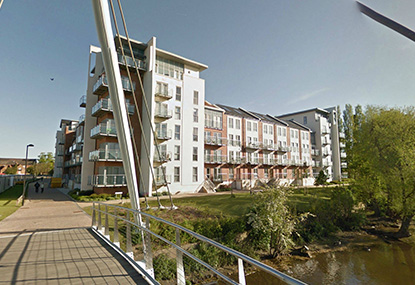
Timber frame is often the right choice where programme speed, sustainability and weight reduction matter. It’s particularly effective for residential and low- to mid-rise buildings where lightweight construction reduces foundation demand and off-site manufacture improves build efficiency. It also suits sites with access constraints, tight programmes or embodied carbon targets.
Yes. We regularly coordinate with timber frame manufacturers and suppliers to align structural intent, tolerances, connections and build sequencing.
We design with installation in mind, keeping layouts clear, managing tolerances properly, and coordinating early with the wider team so the structure can be manufactured and assembled without unnecessary complications.
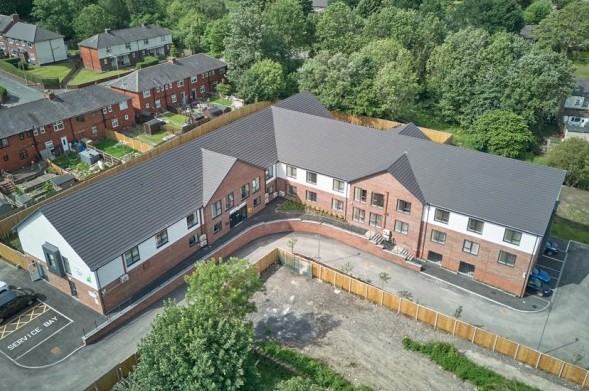
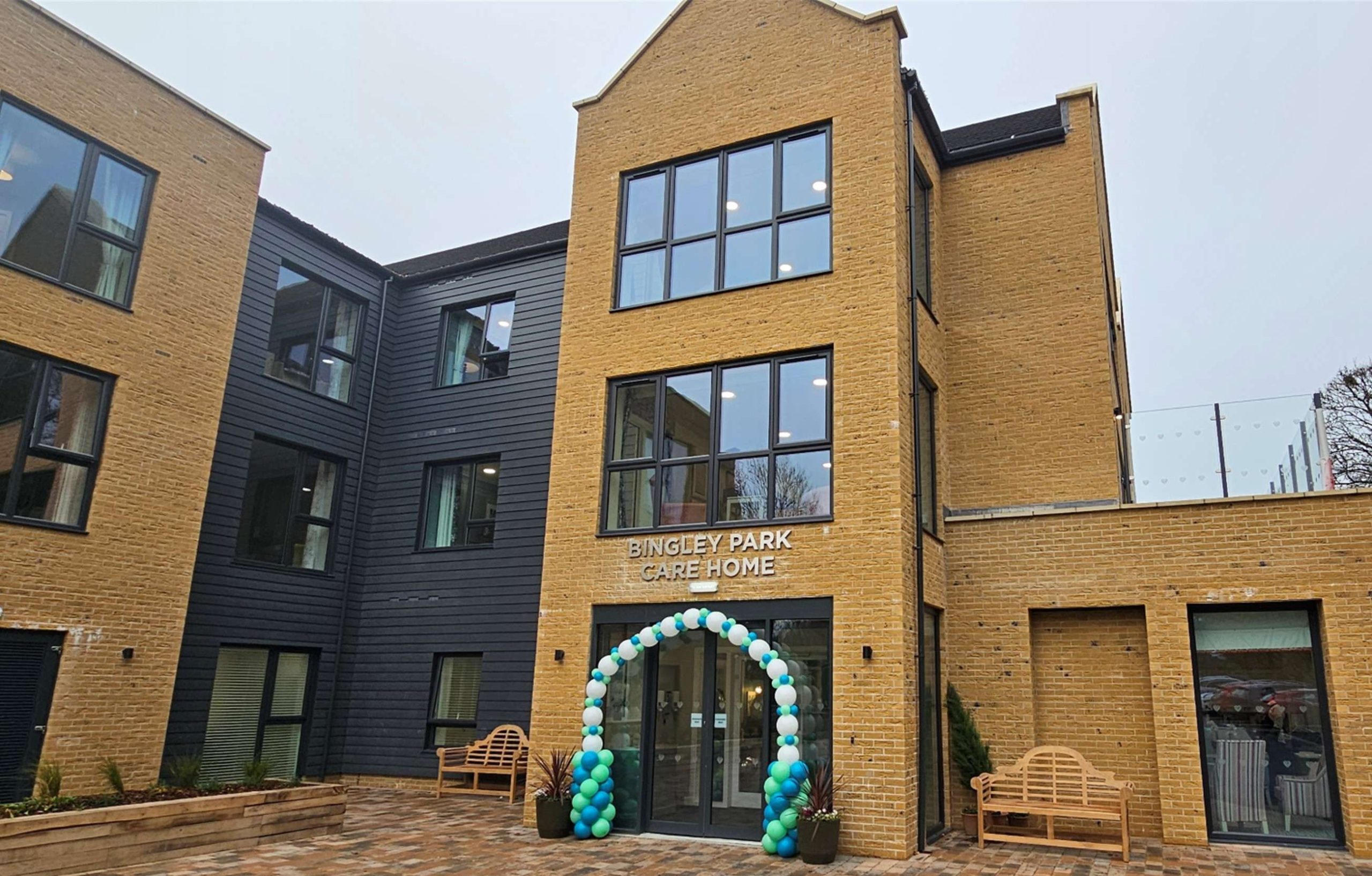
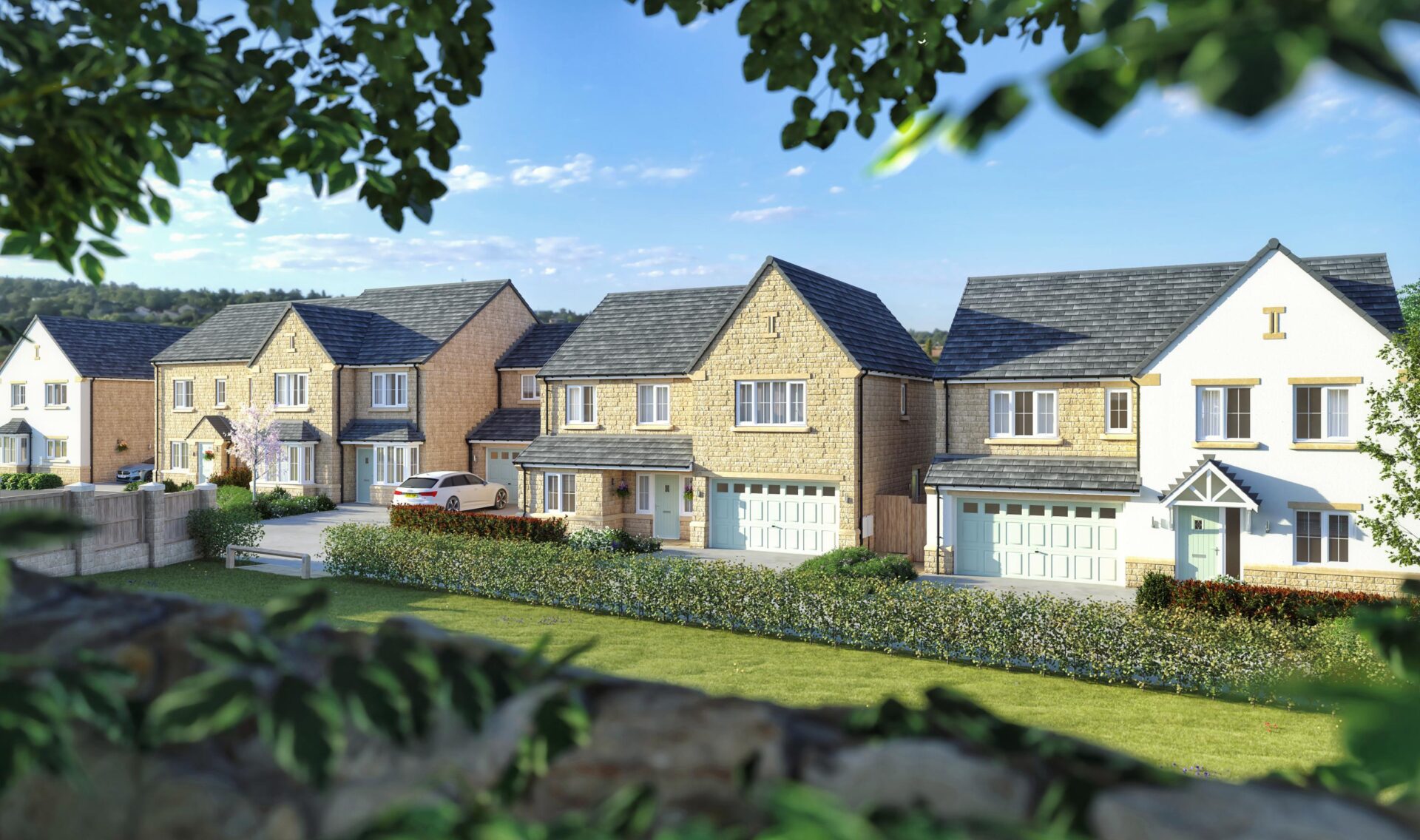
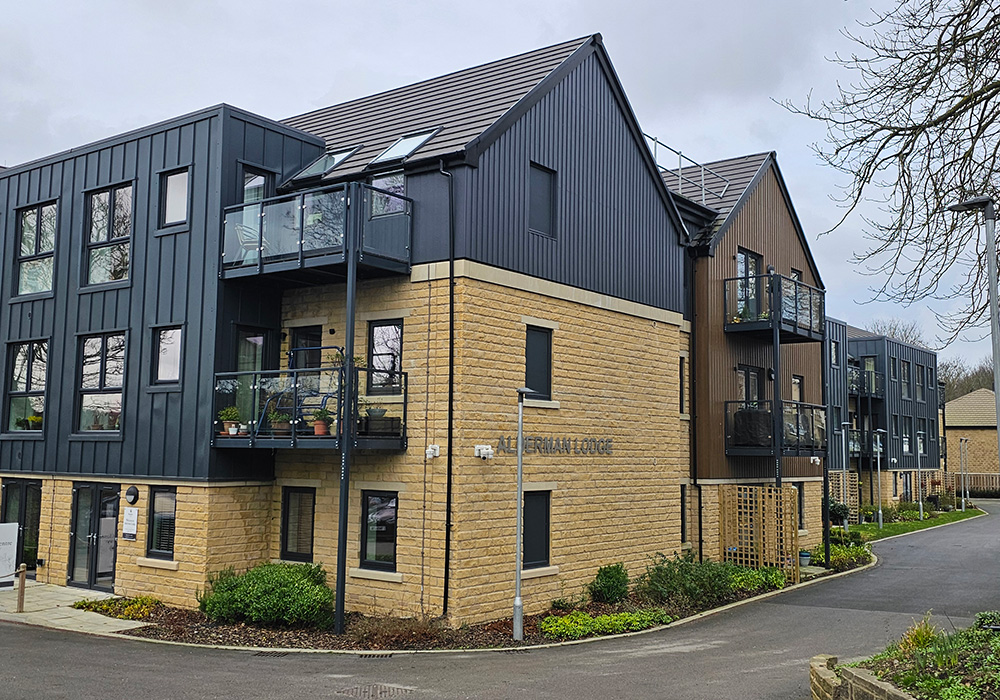
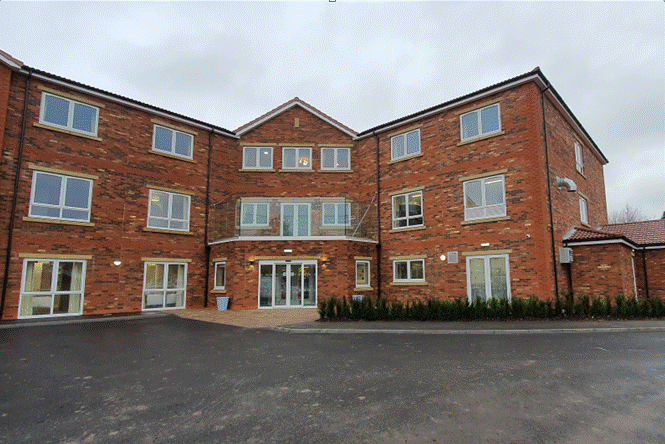
Yes. We design timber frame structures for private housing, multi-unit residential schemes, care facilities and selected commercial buildings where timber is structurally and commercially appropriate. Each sector brings different loading, acoustic and fire considerations and we design accordingly.
It can – particularly where weight needs to be minimised over existing structures. We assess existing buildings carefully to determine suitability, then design timber solutions that tie into the original structure without introducing movement or performance issues.
Timber frame design must carefully consider fire resistance, compartmentation, cavity barriers, moisture protection and long-term durability. We design in line with UK Building Regulations and relevant standards, coordinating structural requirements with fire strategy, envelope detailing and moisture control to ensure safe, compliant and robust performance.
Yes. We can review existing timber frame designs, provide engineering checks, or support projects where the structure needs updating due to buildability, programme or design changes.
Yes. We collaborate throughout the design and construction process, supporting coordination, answering technical queries, and helping keep delivery on track.