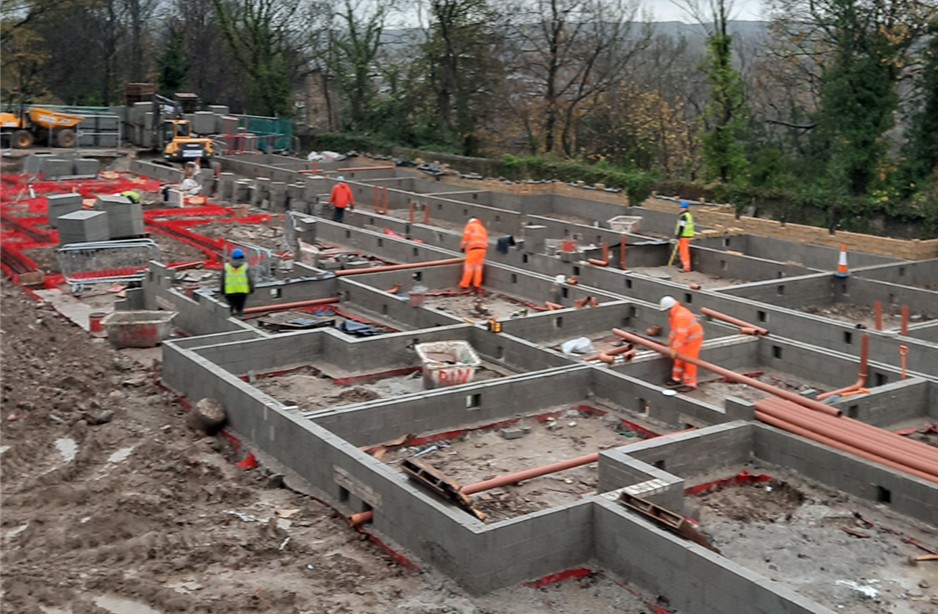
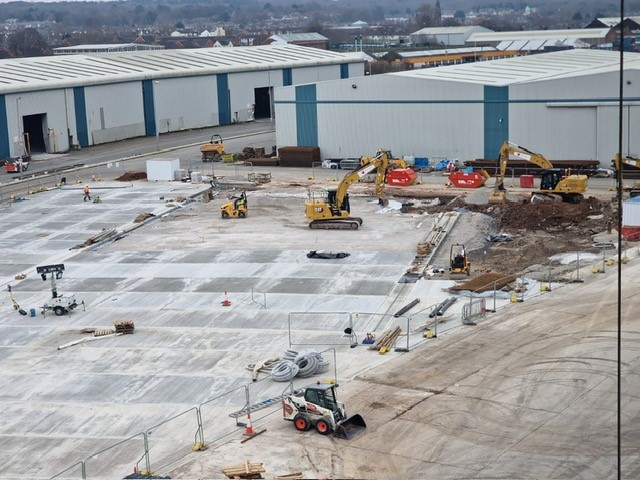
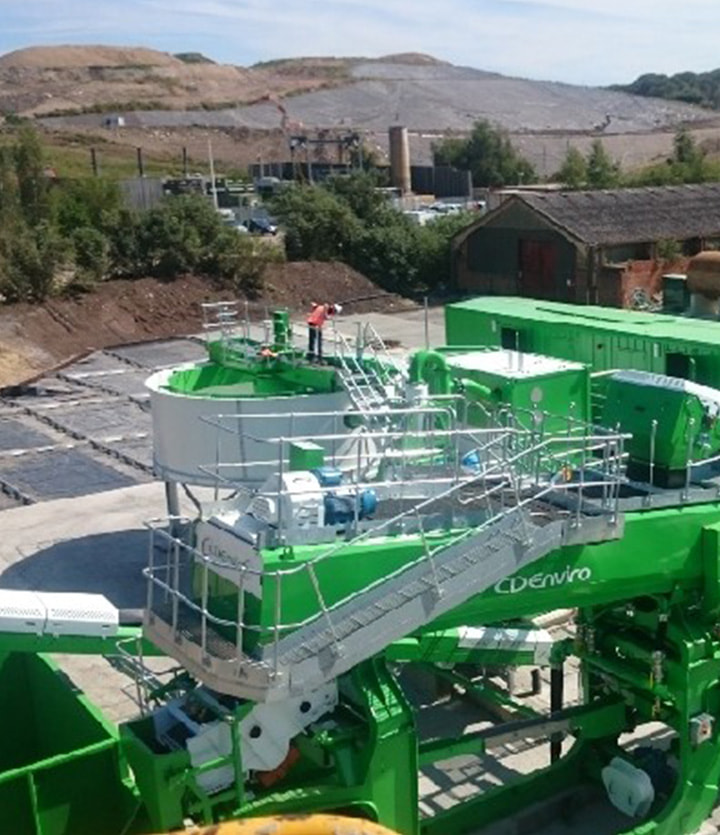
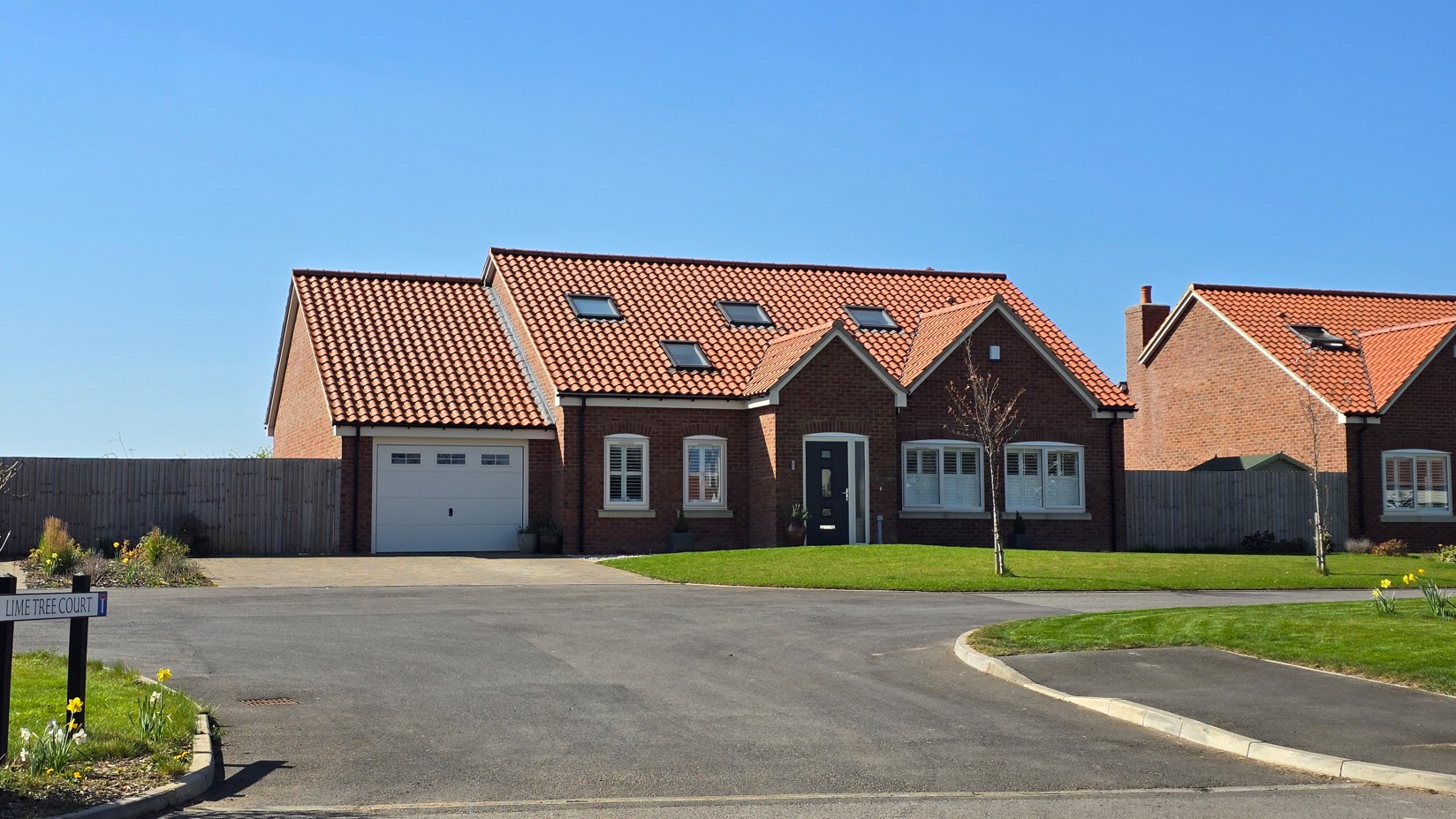
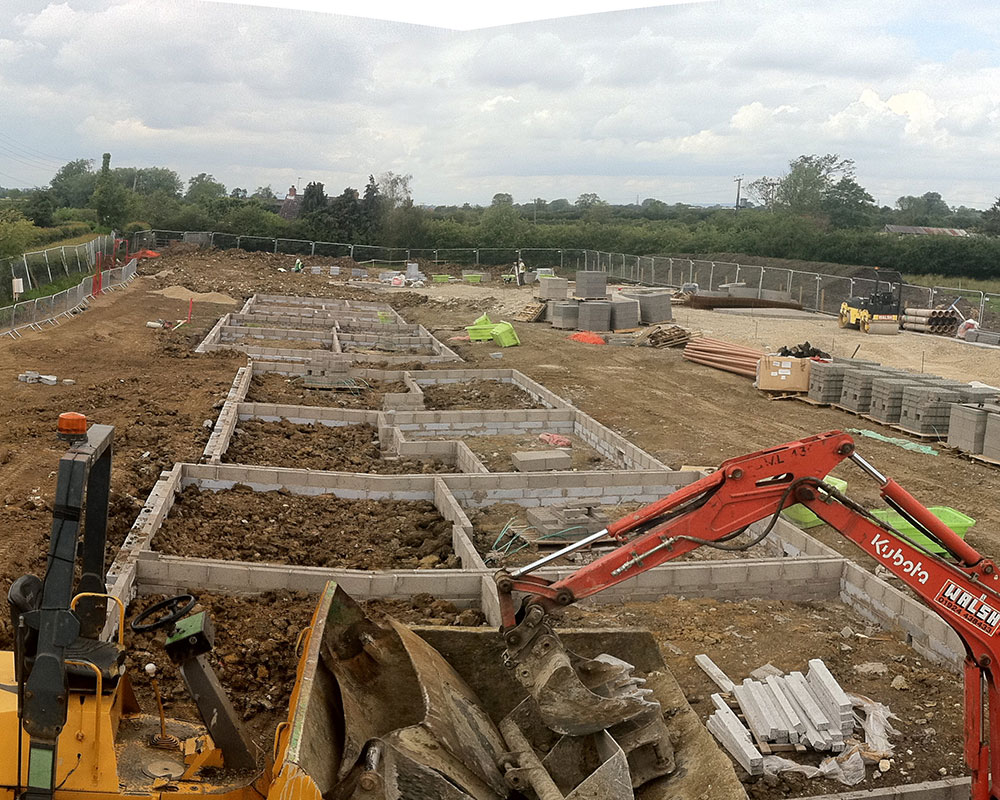
The bit nobody sees. The bit that matters most. Well-designed foundations don’t make a fuss, they stay put and keep things steady. As trusted, experienced foundation engineers, our designs do exactly what they’re meant to do – hold your building up, whatever’s going on beneath it.
Every site’s different. Clay that swells when it’s wet. Sand that shifts under load. Old fill that nobody mentioned. A water table that moves with the seasons. Your foundation needs to deal with all of it – not just on day one, but for the life of the building.
That’s where we come in. As foundation structural engineers, we don’t design to a template. We look at your actual site, your actual soil, your actual building and work out what’ll actually work. Then we make sure the loads get down safely, settlement stays within limits, and the thing you’re building stays put.
We work with architects, contractors, and the rest of the design team to make sure the foundations fit the project – and the real-world constraints of getting them built. Because a foundation that looks great on paper but can’t be constructed is no use to anyone.
Cracks appear. Doors start sticking. Someone mentions subsidence – and suddenly there’s concern. However, the reality is: not all movement is a problem, and not every problem needs heavy-handed solutions.
As structural engineers experienced in assessing subsidence, we look past the panic and focus on what’s actually happening – cracking patterns, site history, ground investigation data and how the building has been used. We will always:
And sometimes, the right answer is “do nothing”. We don’t over-engineer problems that don’t exist. We give straightforward advice, so you can make the right call with confidence
Foundations aren’t glamorous. But they’re where everything else depends. Get them wrong and you’re storing up trouble. Get them right and nobody ever thinks about them again. That’s the goal.
At Dudleys, our foundation engineering is grounded in careful assessment and sound judgement. Every design and investigation is carried out in line with UK Building Regulations and the relevant Eurocodes, with a clear focus on long-term stability.
We take a considered look at the factors that really matter below ground, including:
Where subsidence is a concern, we focus on evidence rather than assumption – identifying root causes and recommending solutions that are proportionate, justified and technically sound,
Our reputation is built on helping clients make confident decisions at ground level – reducing risk, avoiding unnecessary work and keeping projects moving.
In most cases, yes. Foundations need to suit the ground they’re sitting on and safely carry the building above. A structural engineer makes sure that’s the case – particularly for new builds, extensions, changes of use or where cracking or movement has raised concerns.
It usually starts with a site visit. We look at the building, the ground conditions and any signs of movement, backed up by drawings or ground information where available. From there, we’ll give clear advice – whether that’s further investigation, monitoring, remedial works or simply reassurance that no action is needed.
There’s no one-size-fits-all answer. The right foundation depends on ground conditions, building loads and site constraints. We assess the information available and recommend a solution that’s safe, buildable and proportionate – whether that’s traditional footings, piled foundations or ground improvement.
Settlement is normal, early movement as the ground adjusts to new loads. Subsidence is different – it involves ongoing or uneven movement caused by changes in the ground. Not all cracking is serious, and part of our job is separating what’s normal from what needs attention.
Often, yes – but only after they’ve been properly assessed. We check the condition and capacity of existing foundations before advising whether they can be reused, strengthened or need upgrading, helping avoid unnecessary work and cost.
Yes, we regularly review existing foundation designs to check safety, compliance and buildability, providing clear, independent advice where changes or reassurance are needed.