27 Nov, 2026
40+ fuel projects and counting: engineering the next generation of energy and fuel infrastructure
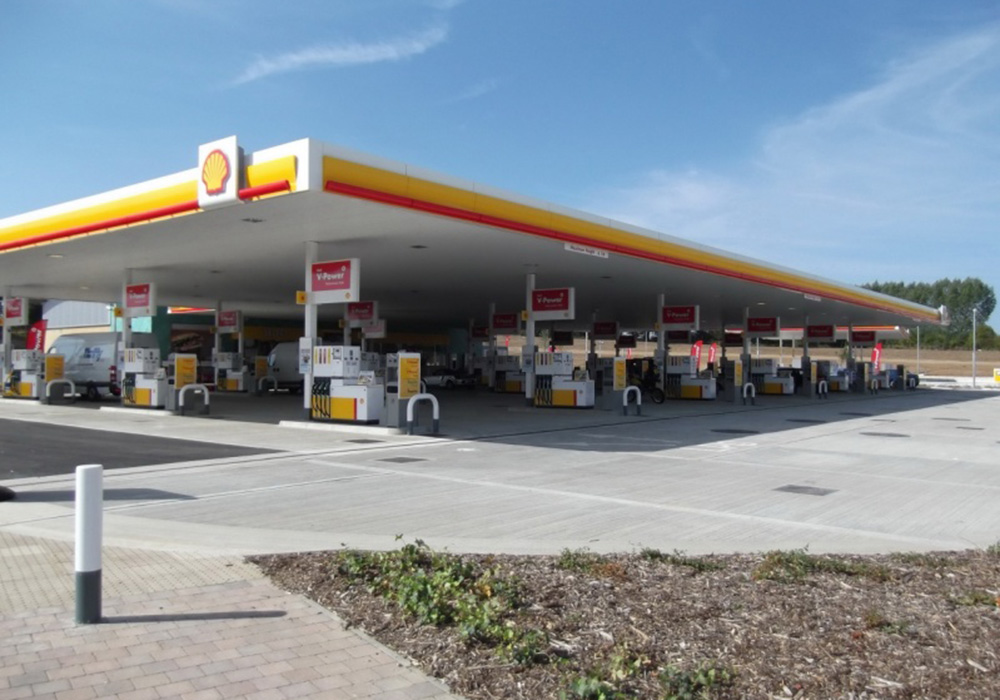
With more than 40 fuel retail projects behind us, our experience reflects how quickly these sites are changing. The challenge is no longer simply designing a forecourt around fuel pumps: projects are being shaped by sustainability, drainage, challenging ground conditions and the need to bring significantly more electrical capacity to site.
Our recent projects include Skelton Grange, Warrington, Solihull, Newark, Norwich, Tatton Services and Woolley Edge.
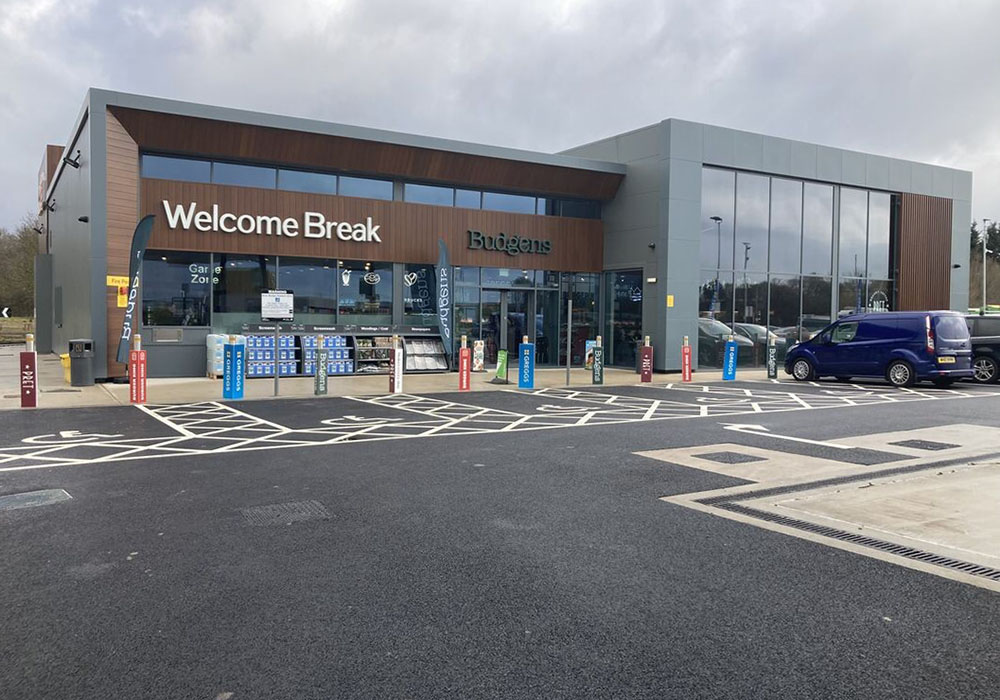
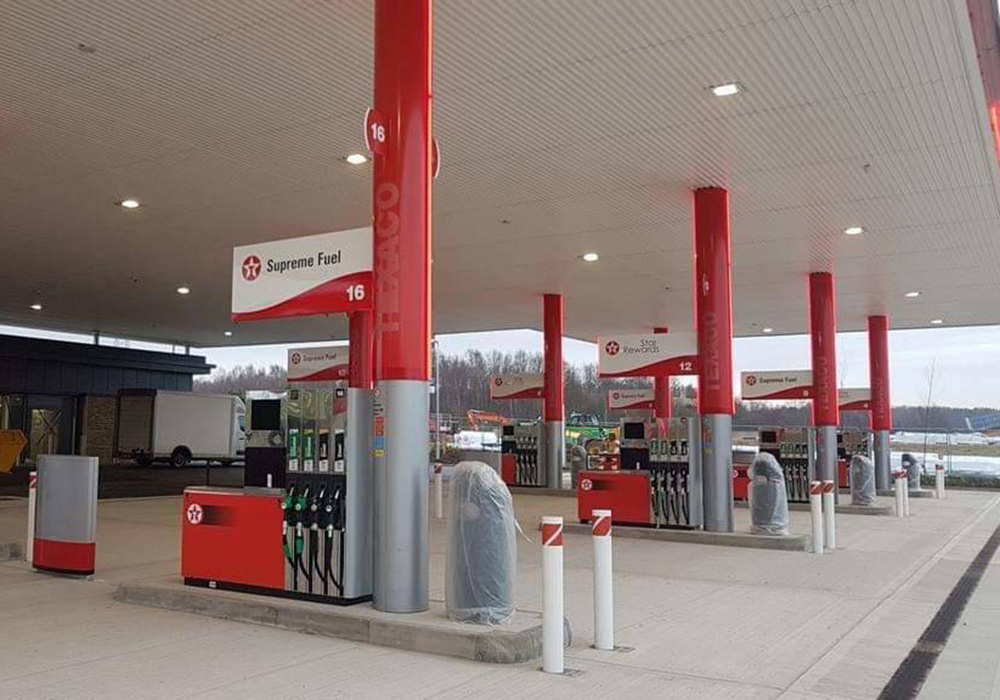
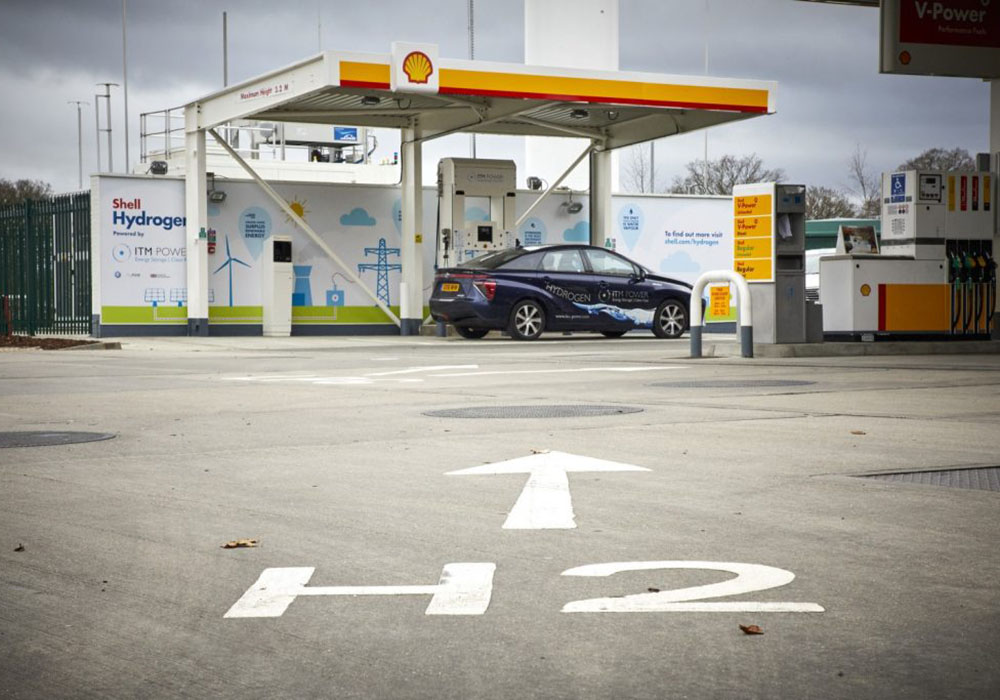
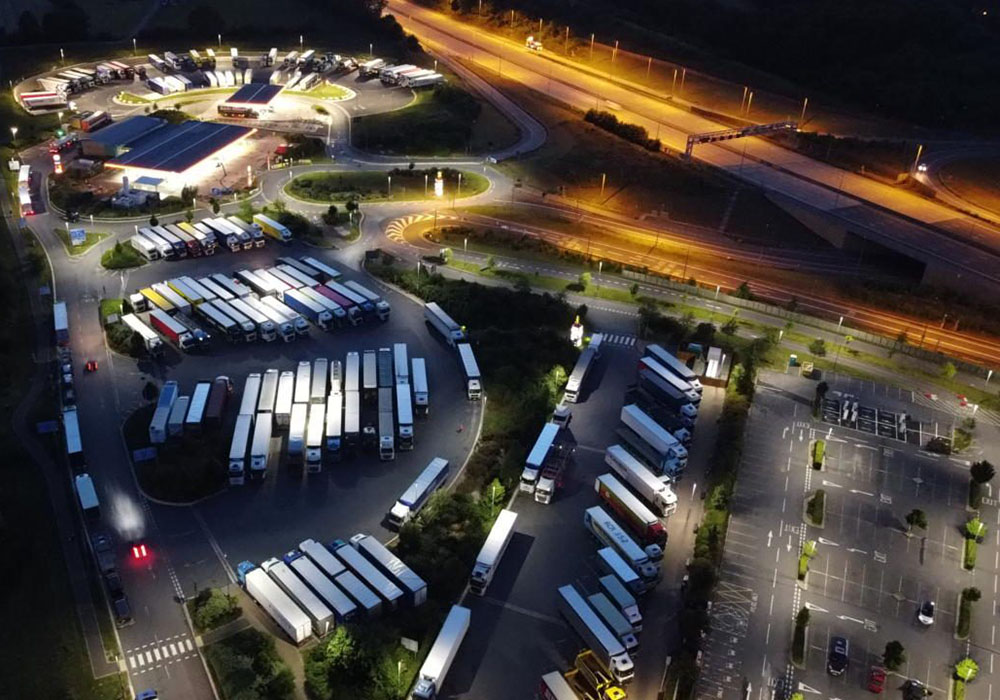
Motorway service areas have become much more than places to stop, refuel and grab a coffee. They are becoming increasingly complex developments, with expanding demand for EV charging alongside traditional fuel and the wider infrastructure needed to support high-volume sites.
As more drivers move towards electric vehicles, the pressure on service areas to provide greater charging capacity is increasing. This brings additional demands on site infrastructure, from electrical capacity, vehicle circulation, drainage to earthworks and ground conditions.
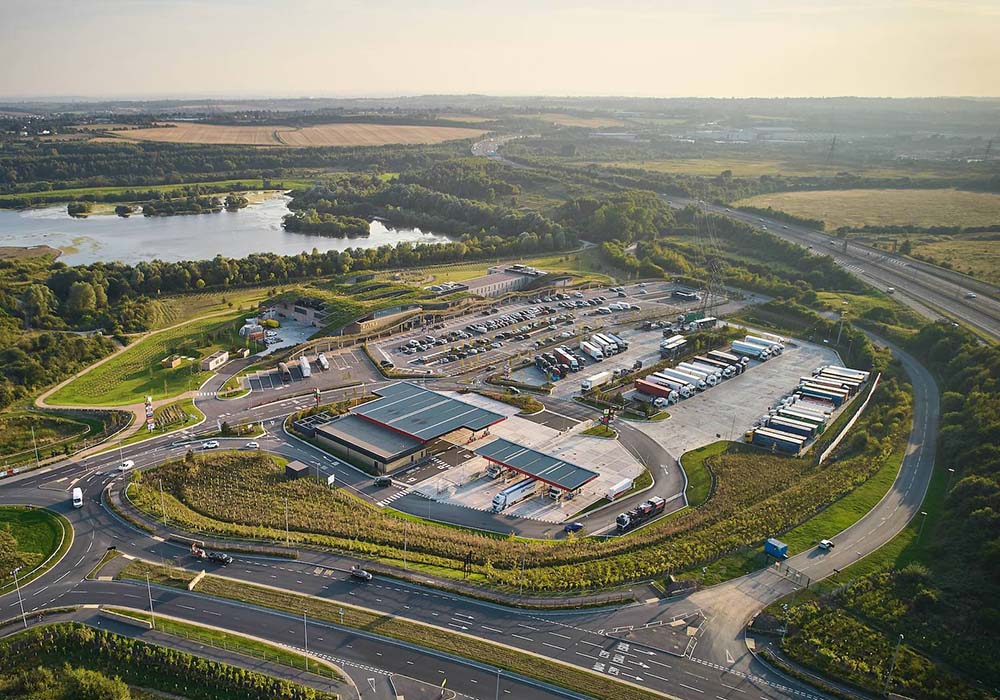
Skelton Grange has been an important reference project for us, helping to build our experience of the complexities involved in delivering these large-scale service area developments. That experience has subsequently supported further opportunities, including schemes at Warrington and Solihull.
While every site presents its own constraints, the fundamentals are the same: understanding the existing ground, managing water, designing robust infrastructure and developing solutions that work for the way these sites need to operate.
Some of the most important sustainability considerations on these projects aren’t immediately visible.
Drainage is a significant part of modern fuel and service area design. Surface water needs to be carefully managed, particularly around areas where fuel is handled, while schemes increasingly incorporate Sustainable Urban Drainage Systems (SuDS), appropriate discharge controls and measures to prevent contamination entering the wider drainage network.
Flood-flow paths can also influence the design of larger developments. Changes to a site’s layout can alter how water moves across the site and surrounding area, making flood risk and drainage considerations important from the earliest stages of design.
Skelton Grange is a useful example of how these issues can shape a project from the outset. Drainage, flood risk and the wider environmental context cannot simply be added at the end of the design process. They need to be considered alongside the civil and structural requirements of the development.
The same principle applies below ground.
Fuel infrastructure brings its own set of structural and environmental considerations.
Underground fuel tanks need to remain stable, with the surrounding structure designed to manage movement and loading. Changes in groundwater levels can create uplift forces, while ground conditions and heavy vehicle loading add further demands.
On some sites, 40-tonne HGVs can travel over areas containing underground tanks. The engineering beneath the site therefore needs to accommodate substantial loads while protecting the infrastructure below.
Ground conditions can make this even more challenging. At sites such as Norwich and Newark, soft ground makes settlement and ground movement important design considerations. Understanding what is happening beneath the surface can be just as important as designing what sits above it.
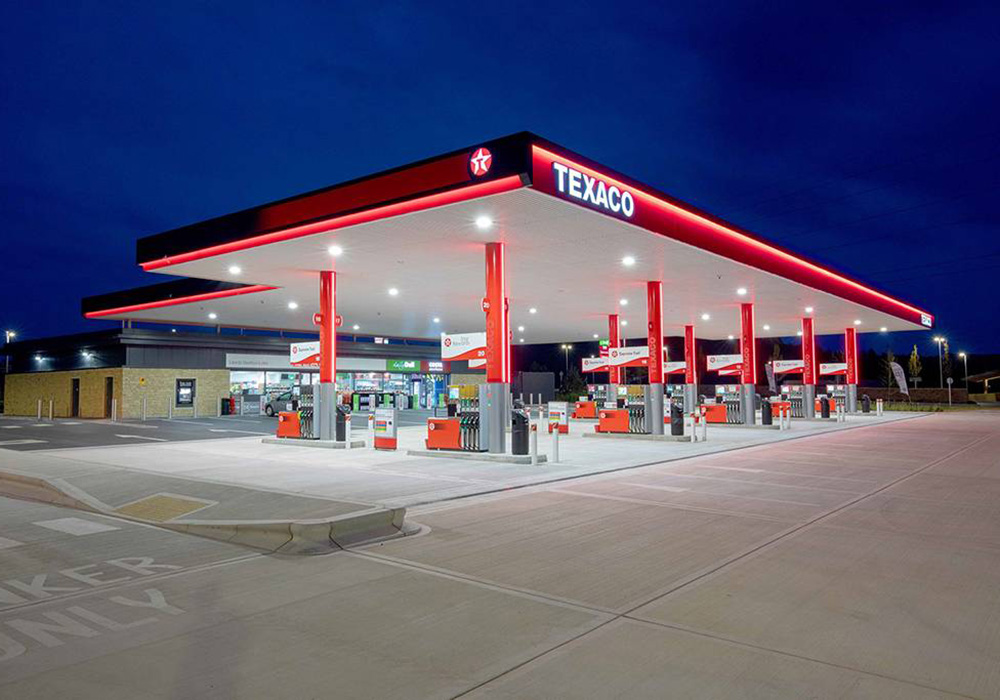
And the implications don’t stop at the ground beneath the site. Large filling canopies need to provide clearance for vehicles, span open areas and withstand wind loading, while their foundations must transfer those forces safely into the ground. The canopy may be a familiar feature of a fuel station, but its design still depends on understanding the structural and ground conditions of the site.
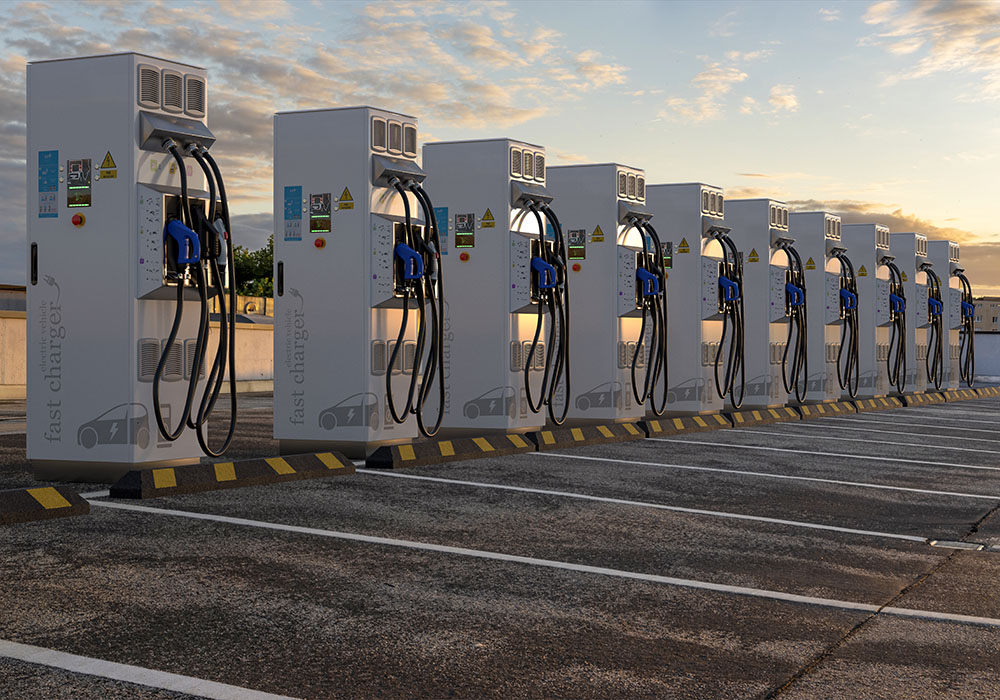
The continued growth of electric vehicles is creating another major challenge for the industry: getting enough power to the right places.
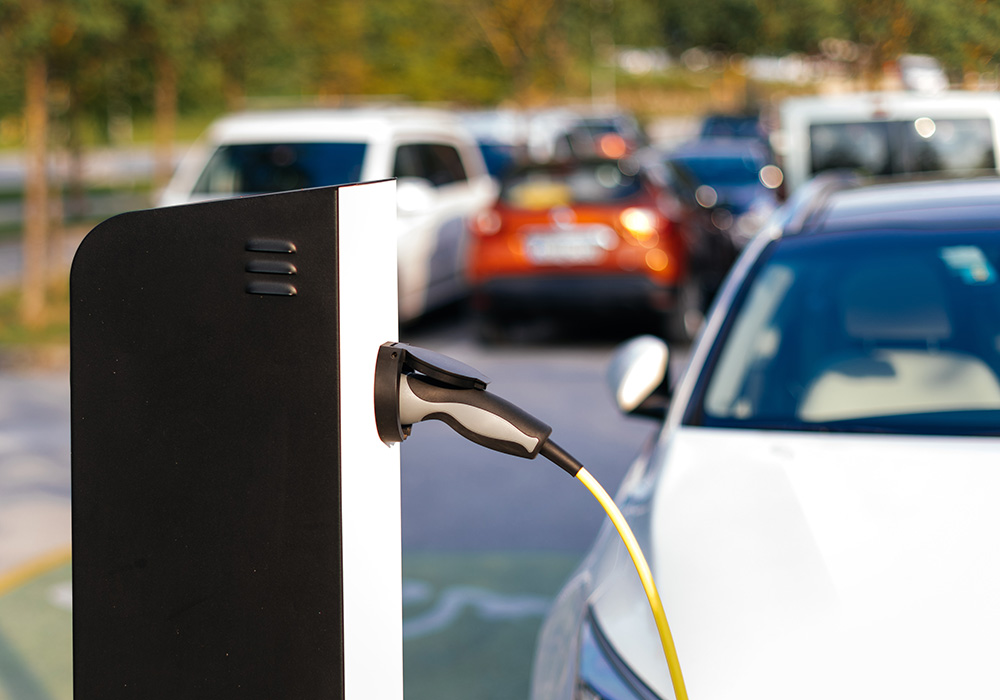
EV charging hubs can require significantly more electrical capacity than existing sites were originally designed to accommodate. In many cases, the challenge isn’t simply installing the chargers – it’s securing the grid connection and providing the infrastructure needed to support them.
That can bring battery energy storage, substations and wider electrical infrastructure into the design, alongside the physical requirements of the charging bays themselves.
For Dudleys, getting our engineers input early can help turn a complex charging proposal into a practical, deliverable site. Our civil and structural engineers look at how the charging equipment will fit into the site, including levels, drainage, access, foundations and how the different parts of the site will work together. That means designing the site around what needs to be delivered from the start, rather than adapting the engineering later.
As energy and fuel infrastructure continues to evolve, the demands placed on each site are becoming more interconnected. Ground conditions, drainage, structures, vehicle movements, electrical infrastructure and environmental requirements all need to work together from the outset.
This is where our experience across more than 40 fuel retail developments adds value. Our civil and structural engineers work as part of wider project teams, bringing together site, ground and infrastructure considerations to develop solutions that are practical, robust and deliverable.
We understand the challenges of working on complex, high-demand sites – from motorway service areas and fuel stations, to EV charging and emerging energy infrastructure such as energy from waste developments. Getting the fundamentals right matters just as much. Our role is to help clients and partners navigate those challenges, providing the engineering expertise needed to develop sites that work now and can adapt to the changing demands of the future.