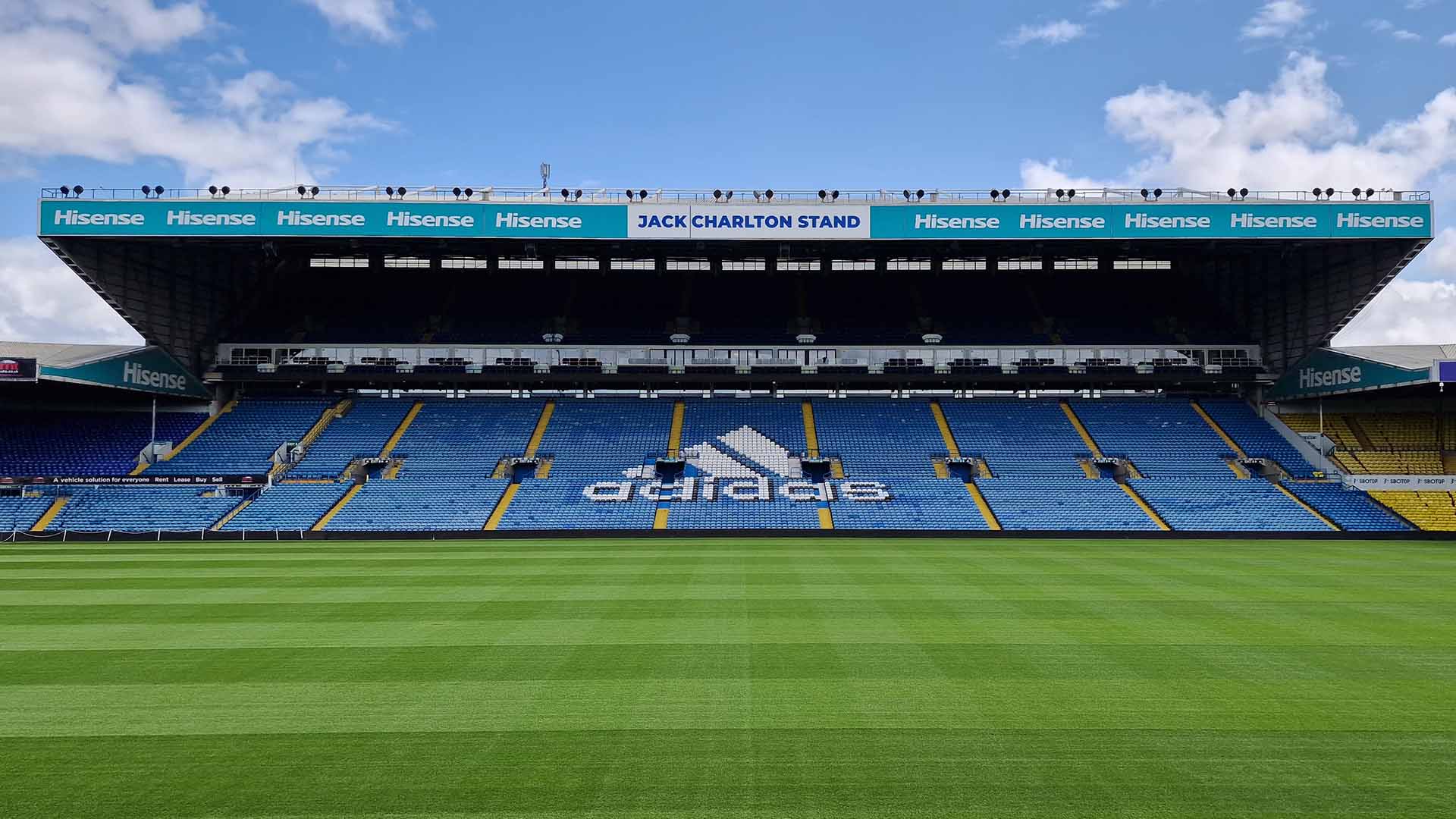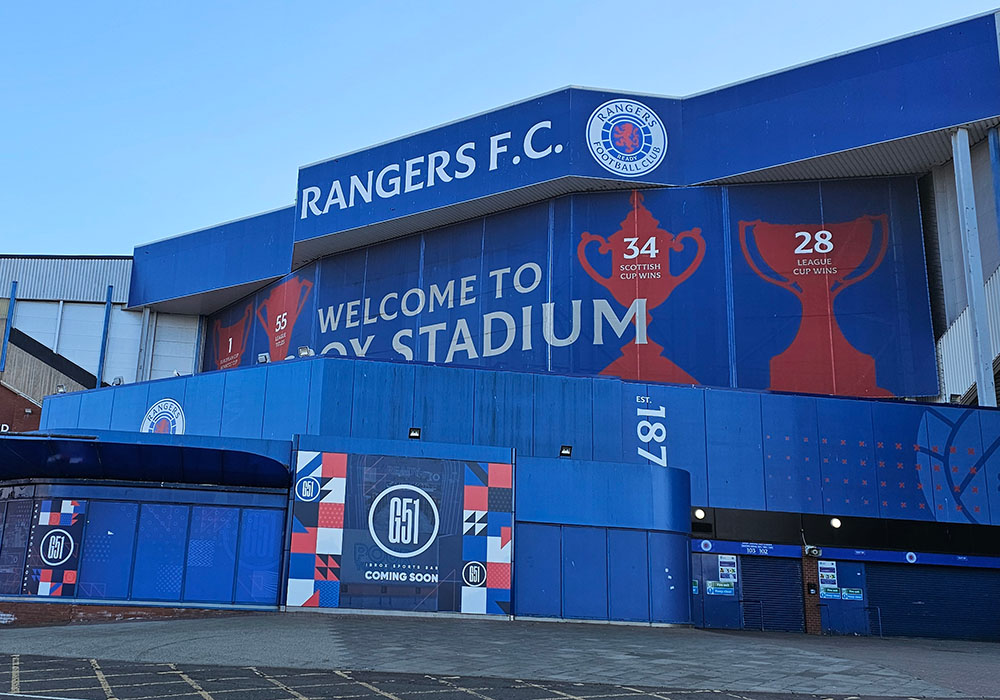
When potential new investment discussions began around Rangers F.C., Dudleys were brought in by the San Francisco 49ers to carry out detailed structural inspections at the stadium and its training facilities. The project came through recommendations from Leeds FC from our work on Elland Road Stadium, with the client looking for an independent engineering assessment of one of football’s most iconic grounds.
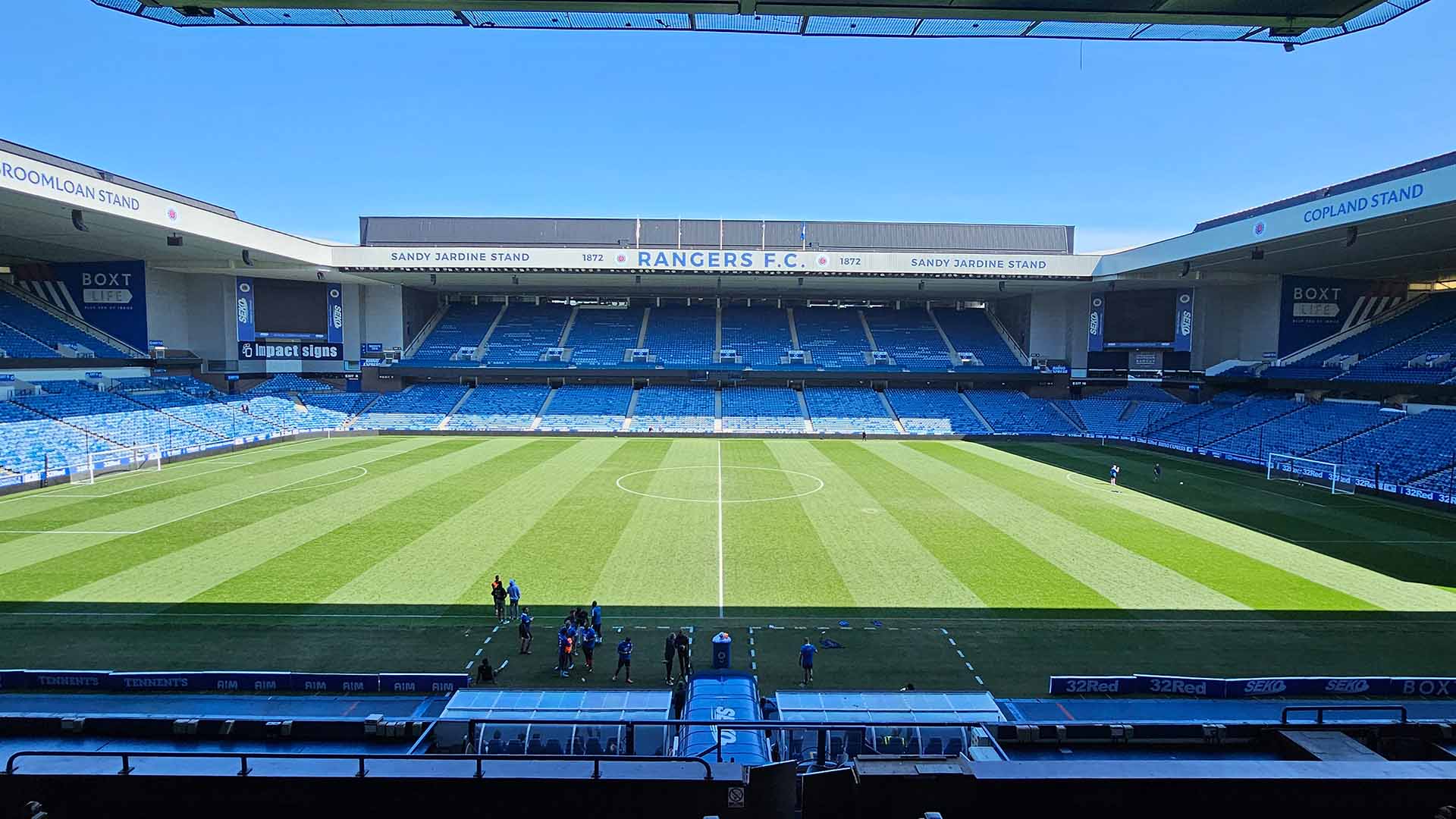
Our inspections took us throughout the entire stadium. We were on the roofs, inside the roof structures, beneath the stands and across the wider infrastructure surrounding the ground, reviewing everything from concealed steelwork and large-span trusses through to circulation areas and spectator facilities. The aim was to help the client understand how the stadium had been maintained over the years, where future investment may be needed and how the venue could last long into the future.
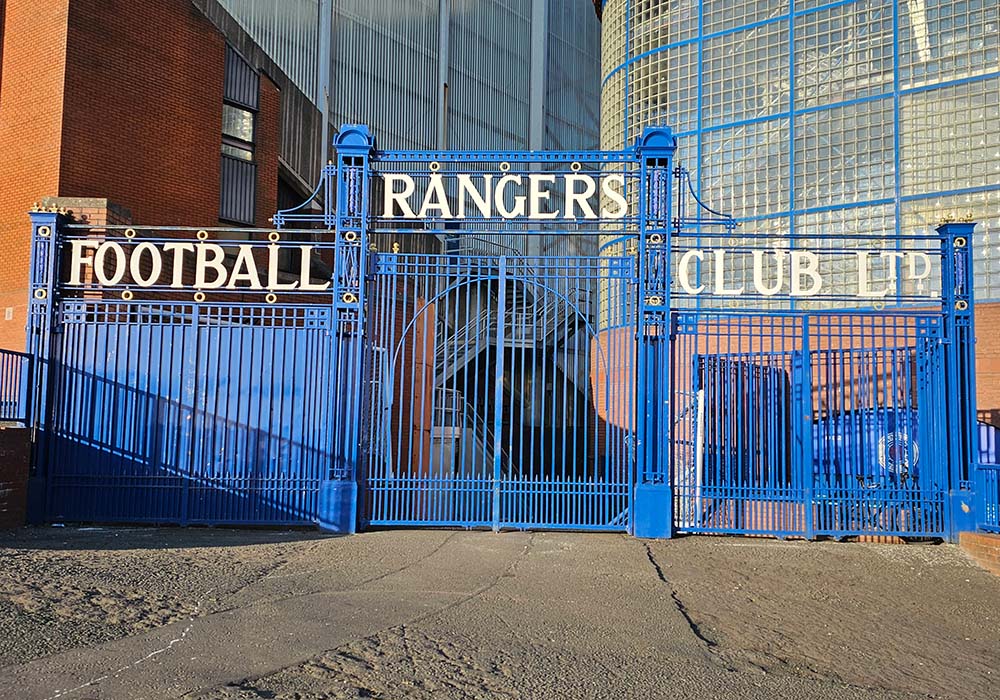
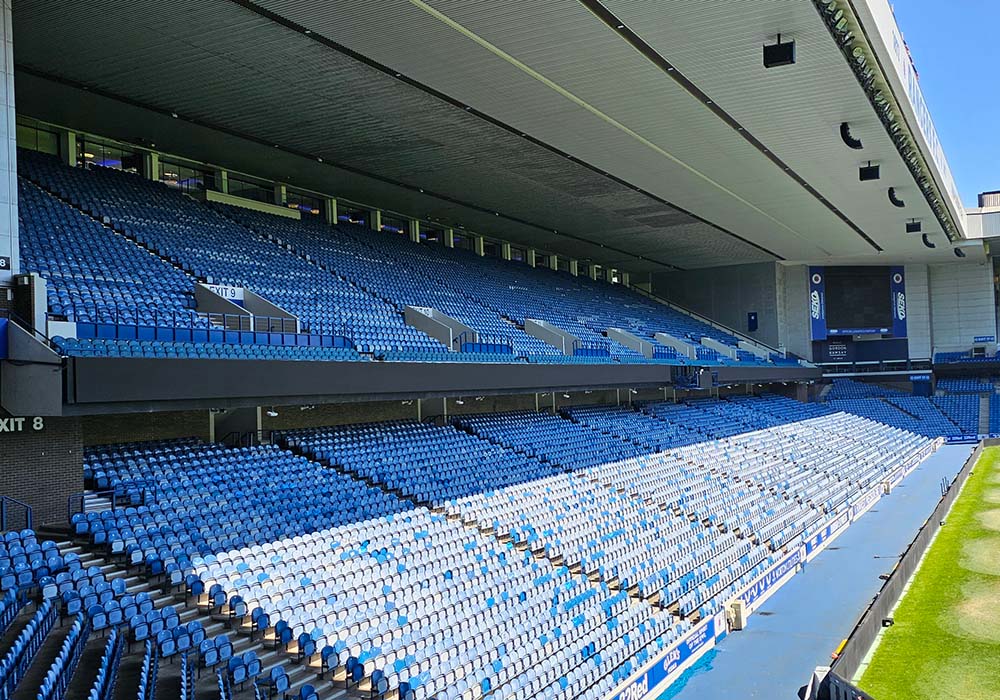
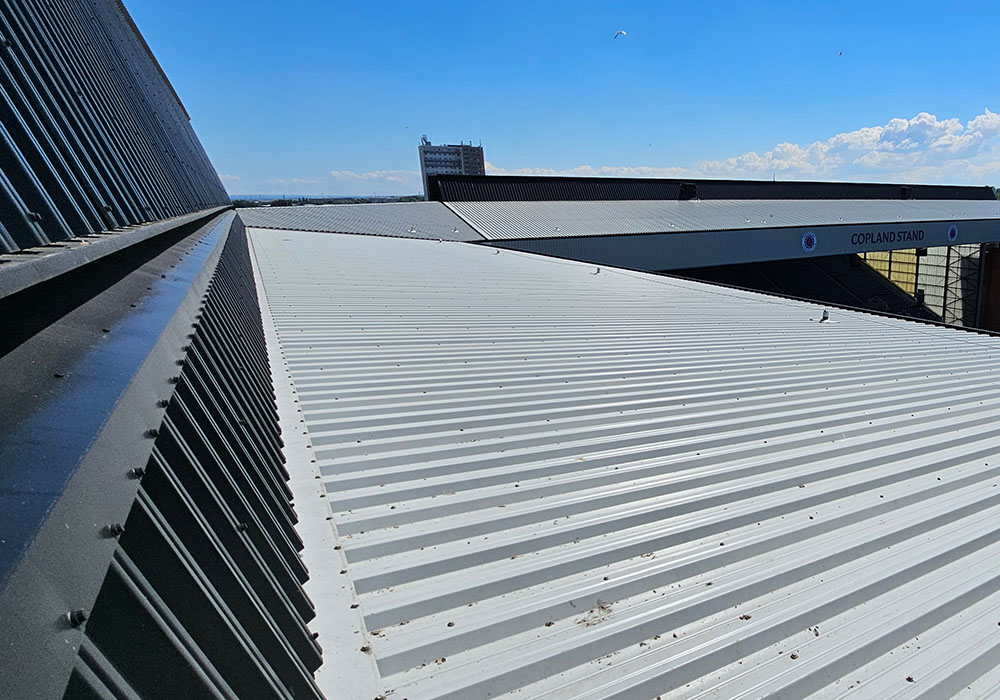
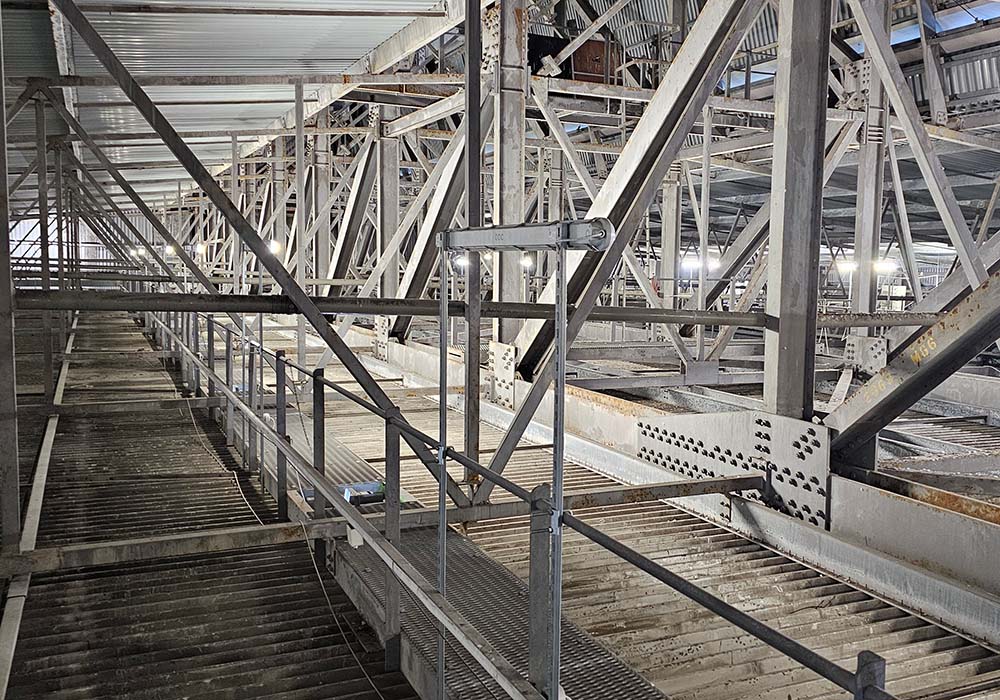
While stadiums like Anfield are often recognised for their modern redevelopments, many of the engineering principles behind today’s large-span football stands can be traced back to Ibrox Stadium. Rangers’ huge roof trusses and open bowl design were pioneering for their time, creating vast spectator spaces without the need for intrusive internal columns.
As part of the survey works, we inspected these concealed structural systems in detail, reviewing the condition of the roof trusses, supporting steelwork and wider stadium structure. Alongside assessing the current condition of the ground, we also looked at how the stadium had evolved through years of upgrades and alterations, helping identify where future maintenance, improvements and potential capacity changes may need to be considered.
“We were on the roofs, we were inside the roofs, we were behind it, we were beneath the stands, we were down, we went everywhere.”
In addition to the main stadium inspections, we also carried out structural reviews across Rangers’ training facilities north of Glasgow. These modern facilities required the same detailed assessment process, helping provide a full picture of the wider estate and supporting infrastructure.
The overall aim of the project was to give the client confidence in the condition, management and long-term use of the facilities they were potentially investing in. Through detailed inspections and practical engineering assessments, Dudleys helped identify where maintenance would be needed, where issues could develop over time and what would be required to protect the long-term value of the stadium and training ground assets.
Working across large operational sports venues requires careful planning, practical engineering knowledge and the ability to understand how stadiums evolve over decades of continuous use.
We were brought in to carry out detailed structural inspections across the stadium and training facilities as part of a wider investment review. The aim was to give the client an independent understanding of how the facilities had been maintained and where future works or improvements may be needed.
Our inspections took us throughout the stadium, including the roof structures, hidden steelwork, stands, circulation areas and surrounding infrastructure. We were on the roofs, beneath the stands and inside areas most supporters never get to see, helping build a complete picture of the stadium’s condition.
The client wanted reassurance that the stadium and wider facilities were being properly maintained and remained suitable for long-term use. Our role was to identify the structure’s condition, where attention may be needed and whether there were any areas that could require future investment.
The stadium was ahead of its time from an engineering point of view. Its huge roof trusses and open spectator areas helped shape the design approach seen in many modern football stadiums today, creating large uninterrupted views without internal columns.
Yes, alongside the stadium works, we also inspected Rangers’ training facilities north of Glasgow, reviewing the condition of the buildings and wider infrastructure across the site.
Structural due diligence is about helping clients properly understand a building before major investment decisions are made. That includes looking at condition, maintenance history, potential risks of the structure, helping give confidence in how the asset is likely to last in the future.