BIM Engineering

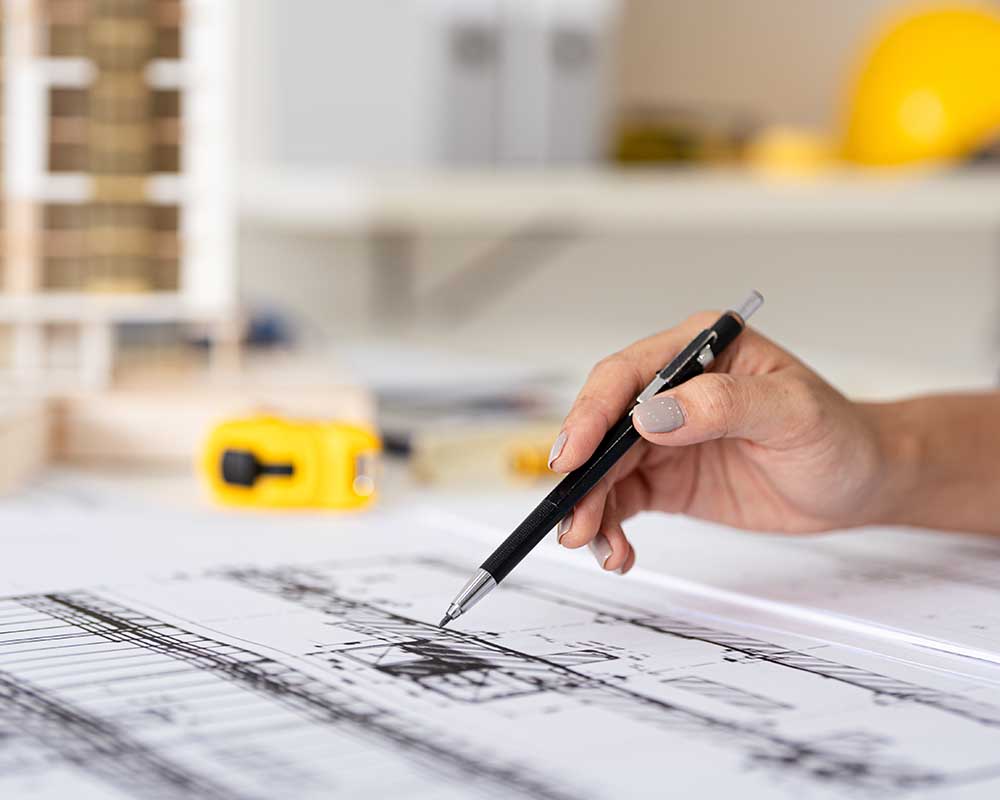
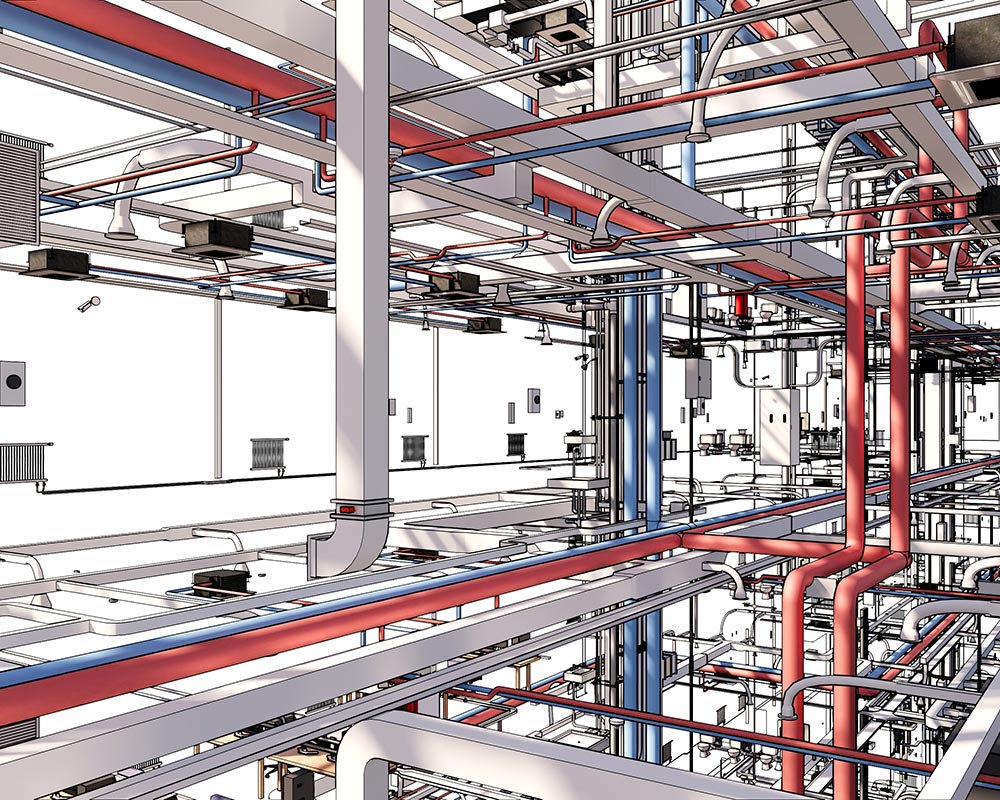
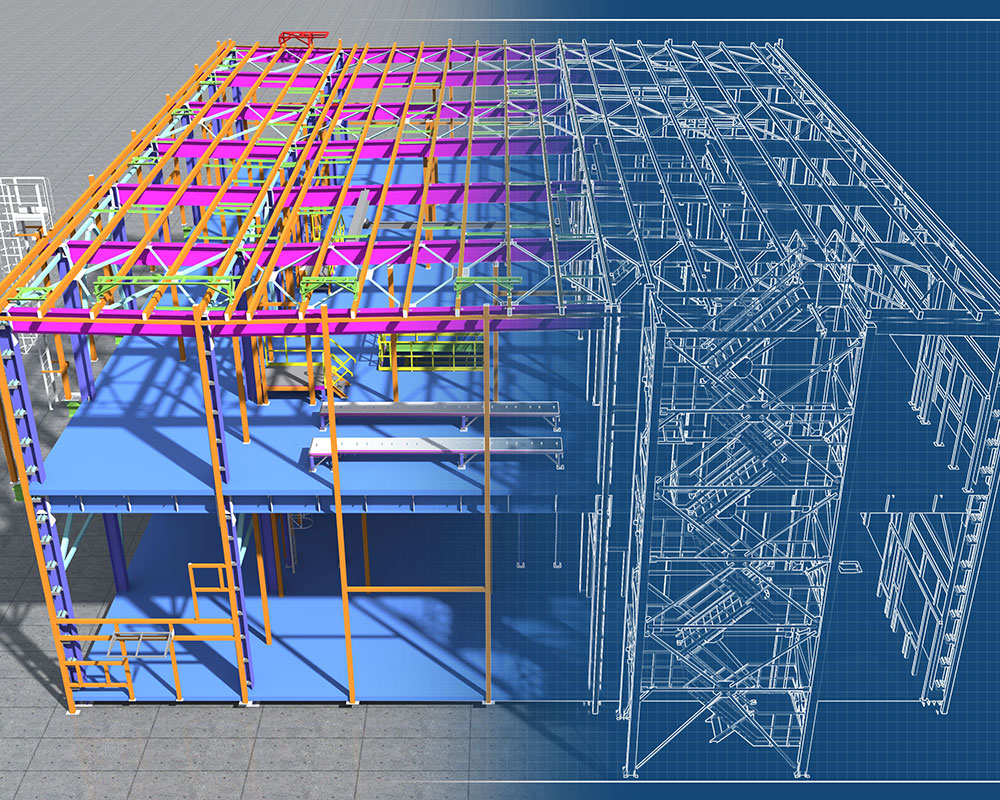
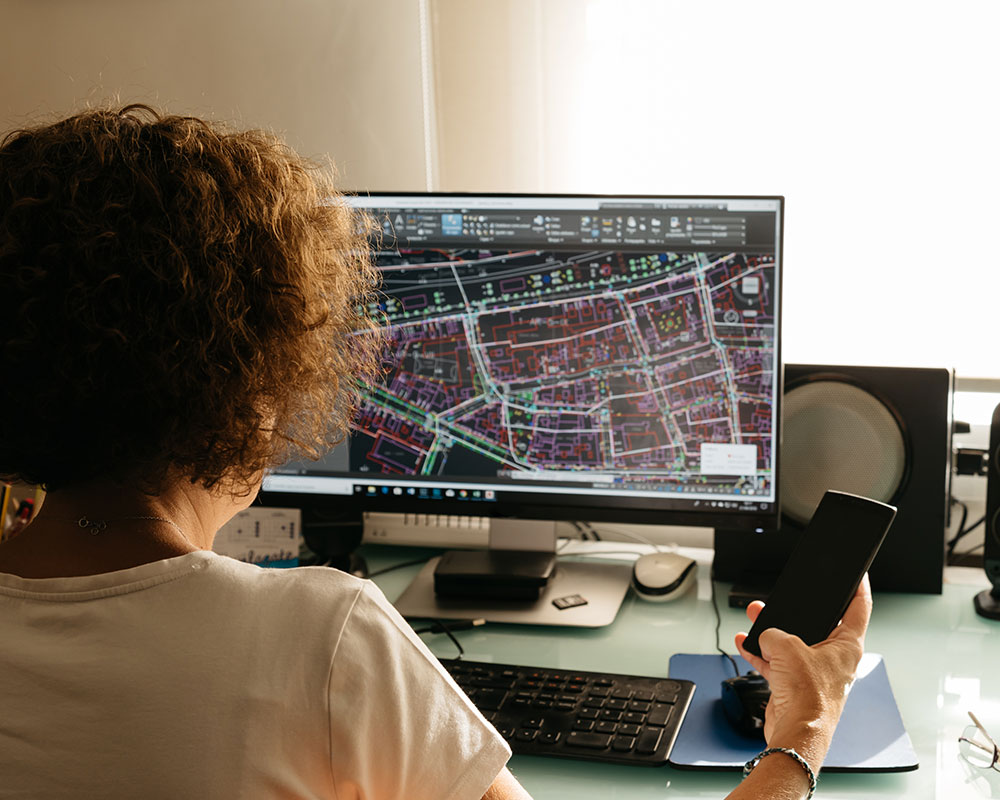
When structural, civil, drainage and architectural designs sit within one coordinated digital model, problems are solved on screen, not on site. Clashes are identified early and decisions are made faster. We deliver BIM engineering services using Revit and Civil 3D, creating data-rich models that support clearer decisions from concept to construction to handover.

BIM that actually improves how projects are delivered

BIM is only useful if it works in practice, not just in a software demonstration. A model that’s technically impressive but disconnected from the rest of the design team, or built to a level of detail that doesn’t match the project stage, creates more work than it saves.

We develop models that are genuinely coordinated with the wider design team – shared, reviewed and developed alongside architects, structural engineers, civil engineers, and contractors using compatible platforms. That means catching clashes before they become site problems, resolving interfaces between disciplines before details are fixed and giving everyone on the project a clear, accurate picture of how the building comes together. The model develops alongside the design – proportionate to the project stage, built to agreed standards and actually useful for the people relying on it.
Areas we cover within civil engineering

Accredited BIM support that works for you

BIM only adds value when the people building the model understand the engineering behind it. That’s where we stand apart. Our BIM delivery is led by practising civil and structural engineers, not just technicians, which means coordination decisions are grounded in real design judgement.

We work confidently in Revit and Civil 3D, developing clear, well-structured models that integrate seamlessly with the wider design team. We resolve clashes early because we understand what matters. We structure information so it’s usable, not bloated. And we align our delivery with BS EN ISO 19650 standards without turning the process into stacks of paperwork. In short, our models are compliant, intelligent and built to support better decision making.

More than geometry - models that carry real information

A BIM model isn’t just a 3D picture of a building. Done properly, it carries meaningful data: quantities, specifications, structural information, construction sequencing, asset data for long-term operation and maintenance. The value then shows up in fewer RFIs, fewer site clashes, faster approvals and clearer communication between disciplines that don’t always speak the same language.

On a complex multi-storey project, a coordinated BIM model means the structural frame, the MEP routes, the facade fixings, and the civil infrastructure are all checked against each other before anything gets built. On a simpler scheme, it means clear, accurate information that contractors can work from without constant queries back to the design team. We scale our BIM input to what the project actually needs – not a one-size-fits-all approach, but a level of detail and coordination that genuinely adds value at each stage.

Why clients choose us

  • Our models are developed by engineers who understand the design intent, not just the software.
  • Clear, usable models that support design, coordination and delivery from concept to handover.
  • Strong technical capability, including confident use of Revit, Civil 3D and complementary platforms to keep data flowing and teams aligned.
  • Collaborative by design, breaking down silos between disciplines, improving communication across architects, engineers and contractors.
  • They get the right information at the right time to keep programmes moving.

At Dudleys, BIM isn’t an add-on. It’s part of how we design, helping projects move forward with clarity, coordination and confidence.

Frequently asked questions

What does a BIM engineer do?

A BIM engineer creates and manages detailed digital building models that combine geometry, data, and coordination across all project disciplines. This helps teams understand how a project fits together making it easier to spot issues early and make better-informed decisions from design right through to construction.

What software do you use for BIM?

We work with a variety of trusted BIM platforms like Revit and Civil 3D. These tools let us build and share rich, accurate models that fit seamlessly with the wider design team, helping keep everyone on the same page throughout the project.

Is BIM suitable for all projects?

Yes, but the level of input should be proportionate. Not every project needs a highly complex model. We tailor our BIM approach to suit the scale, risk and requirements of the scheme, ensuring it adds genuine value without unnecessary complication.

Do you hold accreditations?

We do. Dudleys holds recognised company-wide and individual accreditations, reflecting our technical competence and commitment to high-quality, standards-led delivery.

Do you work to BIM standards?

Yes. Our models are developed in line with BS EN ISO 19650 and wider UK BIM standards where required. We understand employer’s information requirements (EIRs), BIM execution planning (BEP) and structured information delivery.

Browse civil engineering projects

Get in touch to discuss your next development project

Contact us