Get the groundwork right and everything else follows. At Dudleys, we design civil engineering solutions that actually build – shaped by real site conditions, coordinated with the structure and thought through from planning to handover.
Civil engineering design sets the foundation for everything that follows. Ensuring the site levels tie in with floor levels. That drainage connects properly with the foundations. That access routes work for construction traffic now and service vehicles later. That you’re not designing something that looks great on a drawing but can’t actually be built.
We work on the assumption that everything on a site is connected. Structural design affects drainage. Drainage affects levels. Levels affect cut and fill. Cut and fill affects cost. So we make sure it all lines up – with the architects, the structural engineers, the contractors – before anything gets approved or built.
Whether it’s a standalone civil package or part of a full civil and structural design service, the goal’s the same: make sure the site infrastructure works as a whole, not just in isolation.
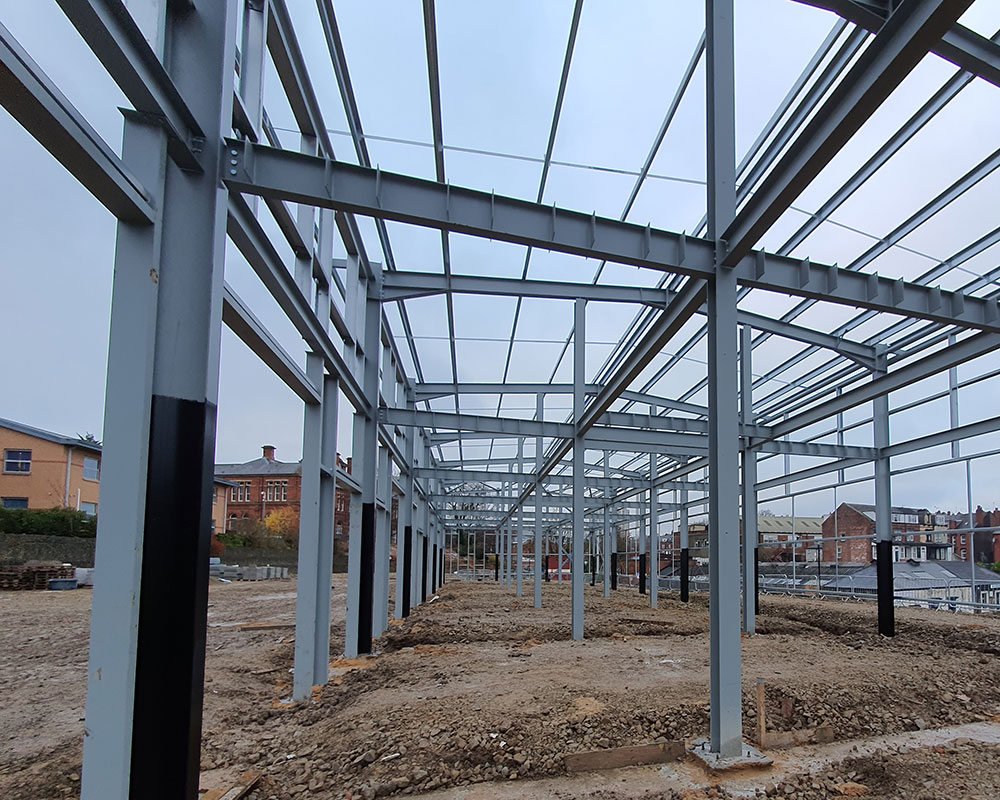
There’s a difference between a design that technically complies and one that can actually be built. We design with construction in mind from the start – shaped by ground conditions, existing services, access and what’s realistically achievable on site.
That means thinking ahead about sequencing, drainage outfalls, construction loads and long-term maintenance, not just drawing lines and hoping for the best. Our civil and structural engineers work closely together to ensure foundations, slabs and drainage are properly coordinated, avoiding late redesigns and on-site headaches.
Every design is reviewed in-house before it leaves us – a simple step that saves time, cost and frustration later on.
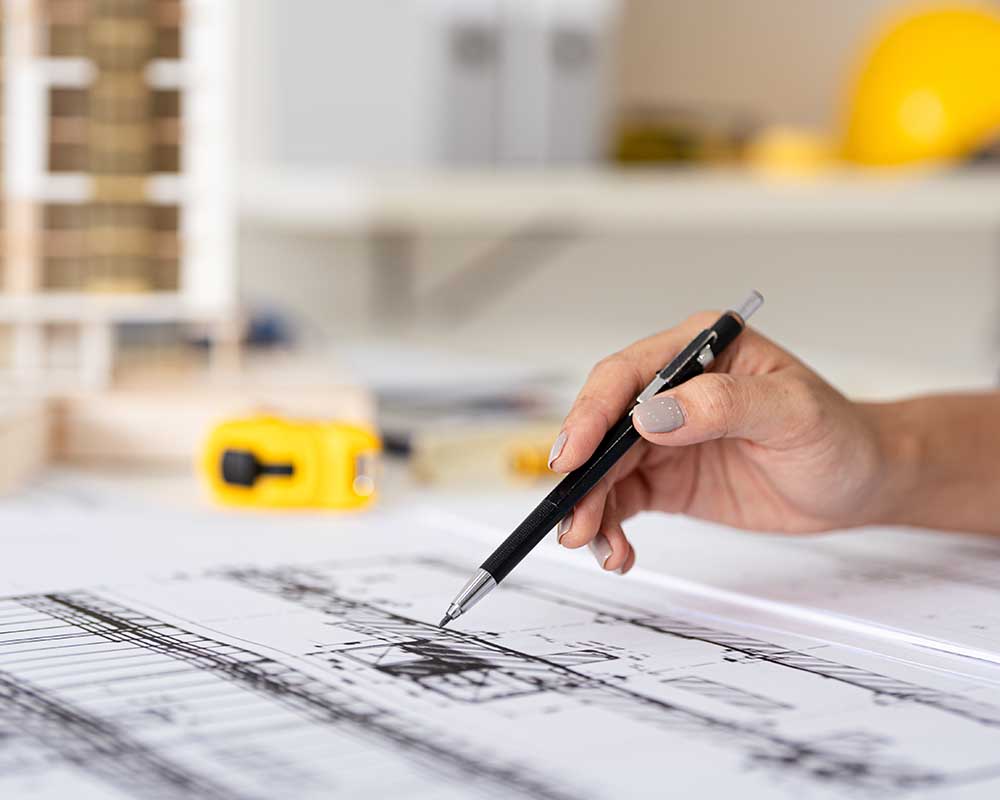
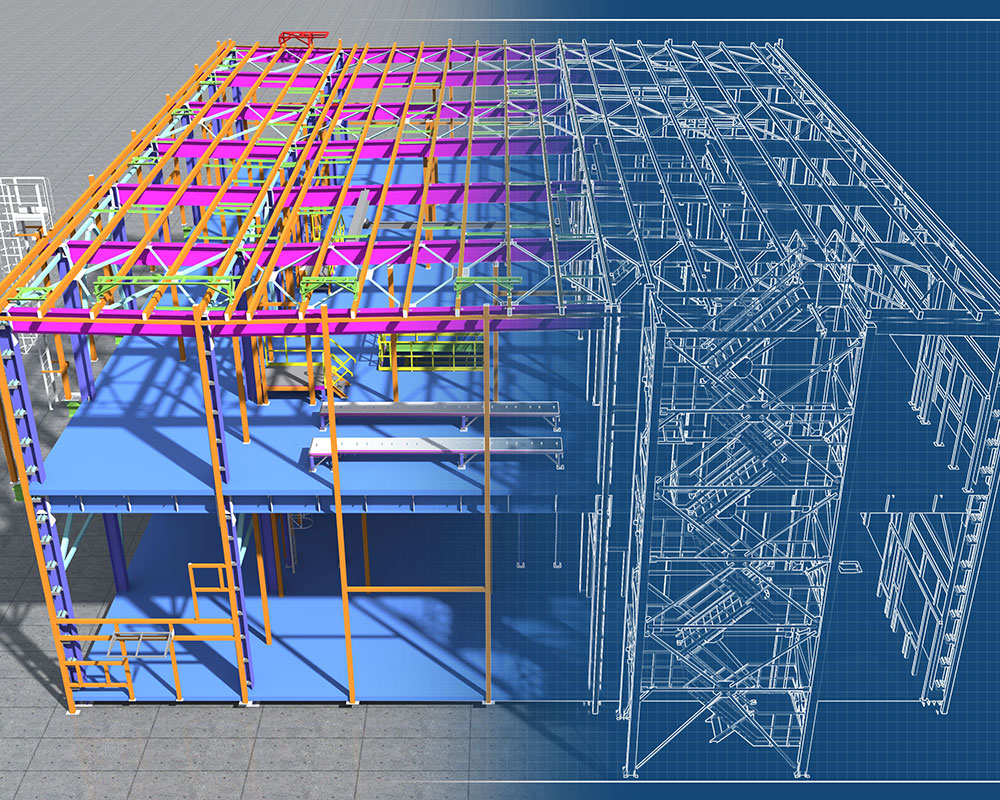
Civil and structural design are inseparable. Decisions around levels, drainage and groundworks directly influence how foundations, slabs and the superstructure perform – which is why they need to be thought through together.
At Dudleys, our civil engineering design engineers work closely with our in-house structural teams, as well as architects and contractors, to keep designs fully coordinated from the outset. This joined-up approach helps avoid late changes, unnecessary redesign and on-site issues that slow projects down.
By addressing interfaces early, we reduce risk and give project teams greater certainty as designs move towards construction, as well as ensuring everything is delivered in line with UK standards, giving particular attention to:
We make the hard bits feel straightforward – and that’s no accident. It’s just what Dudleys is known for: clear thinking, steady hands and designs you can build with confidence.
A civil engineering design engineer plans and designs the parts of a site that make everything else work – drainage, levels, access roads, earthworks and external infrastructure. The role is about making sure these elements function safely, efficiently and in step with the building design, while also being practical to construct and maintain. At Dudleys, it’s about turning site constraints into workable solutions that support smooth delivery and long-term use.
As early as possible. Early involvement allows civil engineering decisions to shape layouts, levels and access before they’re fixed, helping avoid costly changes later on. Getting the right advice upfront reduces risk, speeds up planning and makes the move into construction far smoother.

Yes – and that’s one of our strengths. We regularly deliver integrated civil and structural engineering design, meaning foundations, slabs, drainage and levels are properly coordinated from the outset. That joined-up approach helps prevent clashes, redesign and delays once work starts on site.
Absolutely, we’re involved early and throughout the project, from feasibility studies and planning submissions to pre-construction coordination and detailed design. Our goal is to provide clear, practical designs that help projects get approved and build without hiccups.
Yes, we work closely with developers, contractors and wider design teams to ensure designs are practical, buildable and aligned with programme and site realities.
We work across commercial, industrial, residential and public-sector developments, from smaller sites to complex schemes with tight constraints, phased construction or live environments.
Regularly. We’re experienced in working with challenging ground conditions, existing infrastructure, limited access and operational constraints, developing proportionate solutions that work with what’s already there.