SuDS Engineer
When SuDS are done well, nobody notices. Planning is simpler, layouts work first time and surface water stays under control. As SuDS engineers, we design systems that quietly do their job – without holding projects up.
When SuDS are done well, nobody notices. Planning is simpler, layouts work first time and surface water stays under control. As SuDS engineers, we design systems that quietly do their job – without holding projects up.
SuDS are about managing surface water properly, from the moment it hits the ground. Done well, they slow runoff, improve water quality and work with the natural shape of a site – not against it.
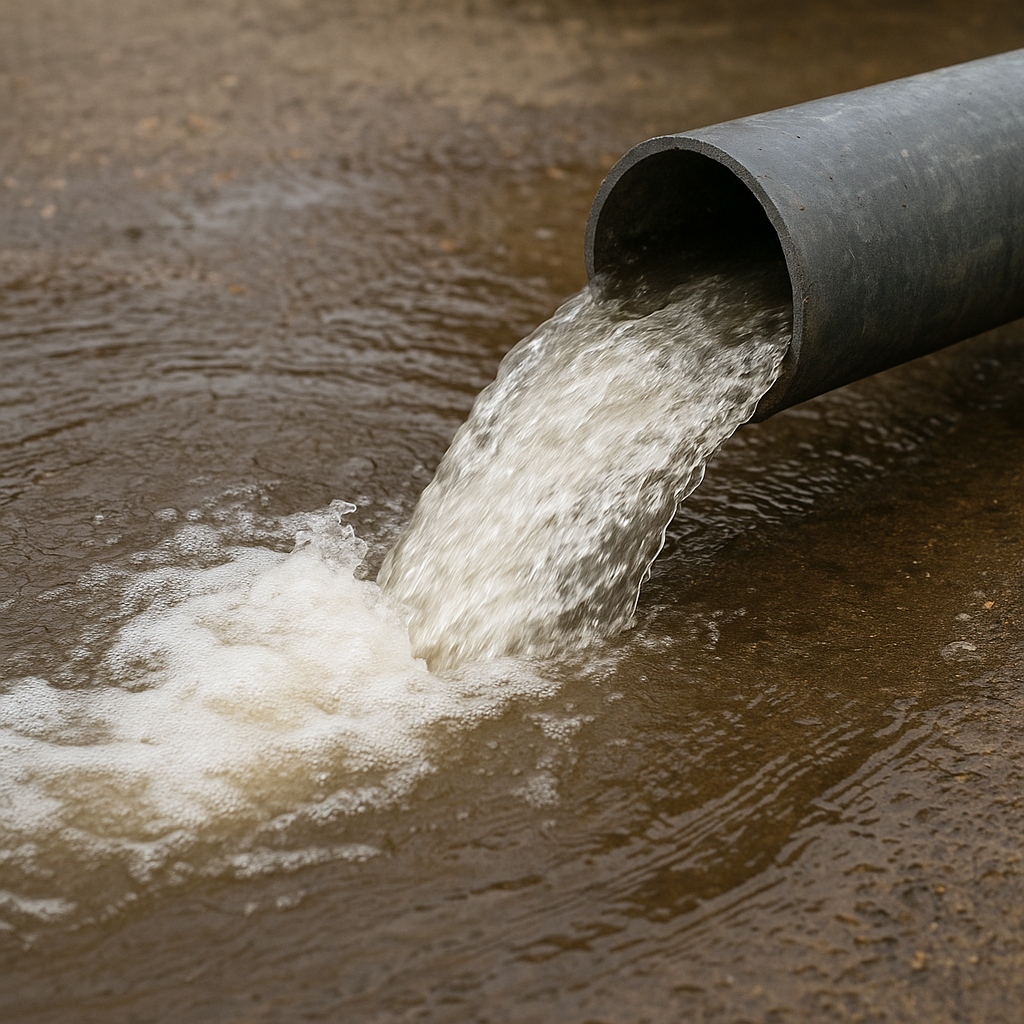
SuDS work best when they’re treated as part of the site, not something bolted on at the end. Our role is to read the ground, understand the constraints and design drainage that fits – technically, practically and long term. We work alongside clients, planners and designers to shape SuDS that make sense on paper and on site. Systems that respect ground conditions, meet the rules, go in without fuss and can actually be looked after once the development’s occupied.
You’ll deal directly with experienced SuDS engineers who understand how these systems are built, adopted and lived with. We’ve delivered SuDS across commercial, industrial and public-sector schemes, and we bring that experience to every project – keeping solutions proportionate, coordinated and ready to deliver.
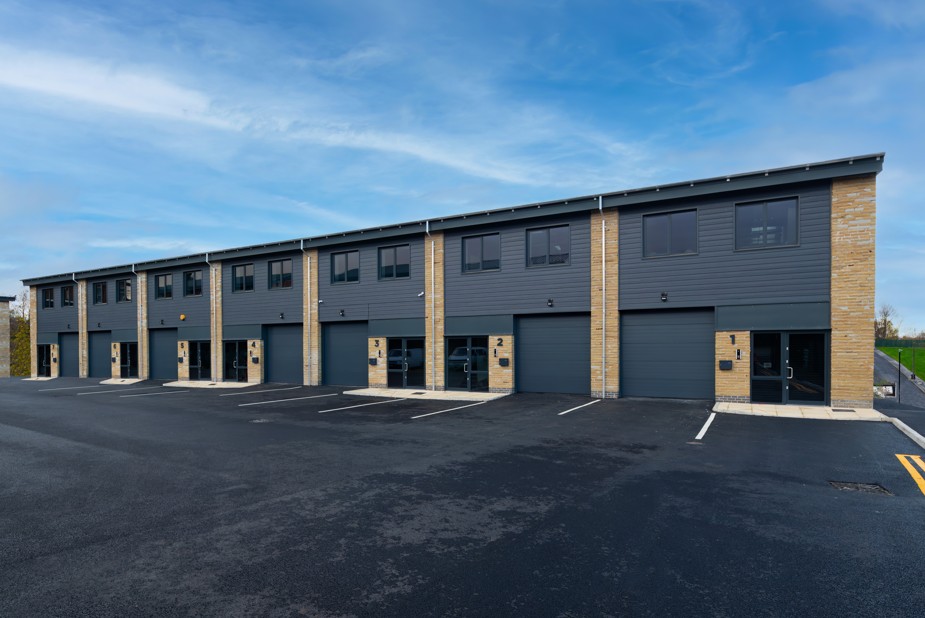
On new commercial and public-sector schemes, SuDS are often a planning driver, not a detail to fill in later. We support schemes from feasibility through to detailed design, helping teams lock in drainage strategies that respond to site conditions, planning policy and long-term operation – before options narrow and changes become costly.
Our support typically includes:
The aim is simple: get through planning with confidence, and set up SuDS that are practical to build and easy to live with.
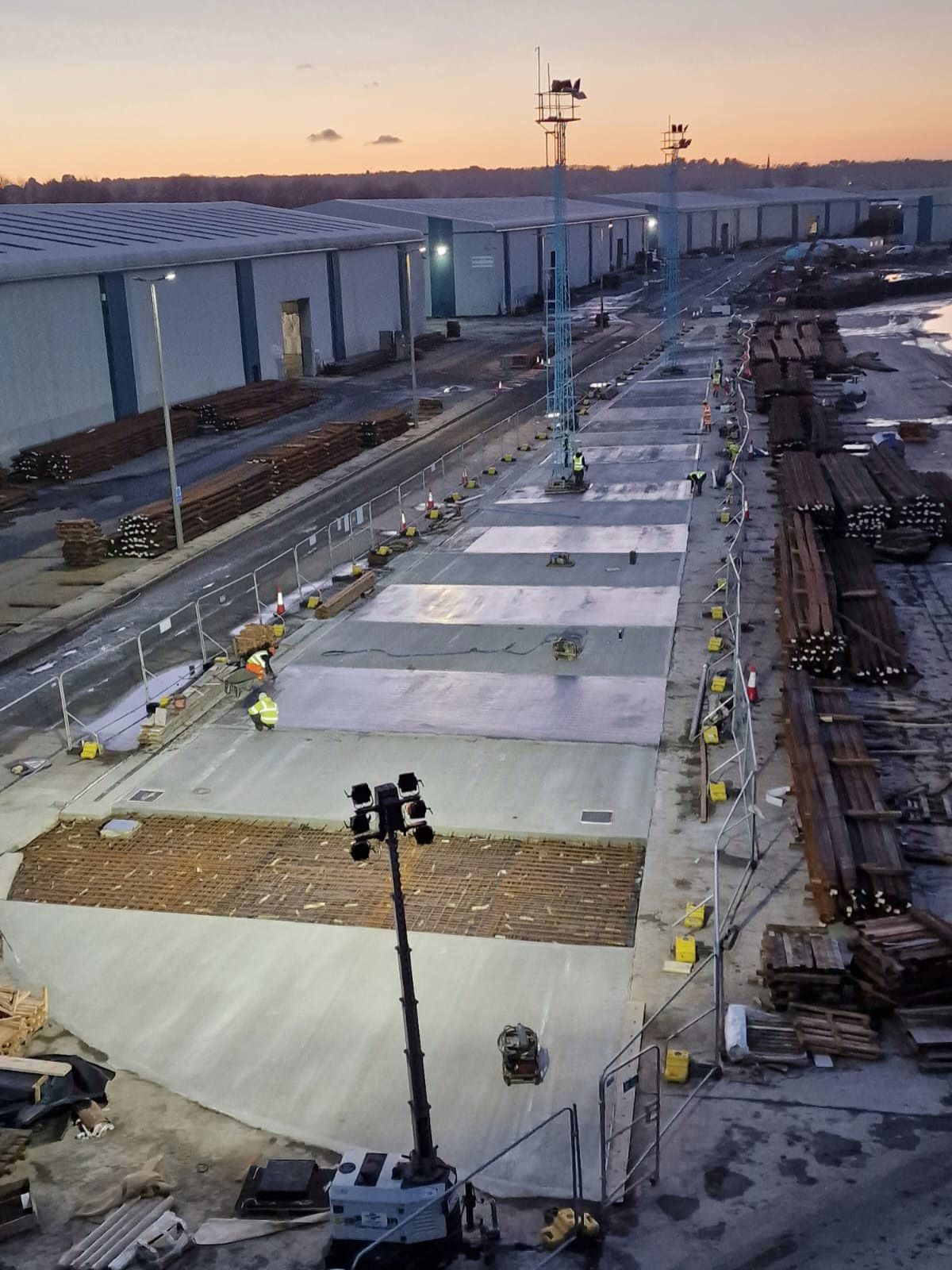
On brownfield, redeveloped or live sites, SuDS often come with tighter constraints – limited space, buried services, existing structures and operational pressures. The key is understanding what’s realistic early on. We assess existing conditions carefully and take a measured view of risk, disruption and long-term benefit. Rather than forcing standard solutions, we develop proportionate SuDS designs that work with what’s already there.
This may involve:
Our focus is on improving drainage performance where it counts – managing surface water effectively without unnecessary excavation, disruption or cost. Whatever the starting point, we design SuDS that make sense for the site and stand up long after the build’s finished.
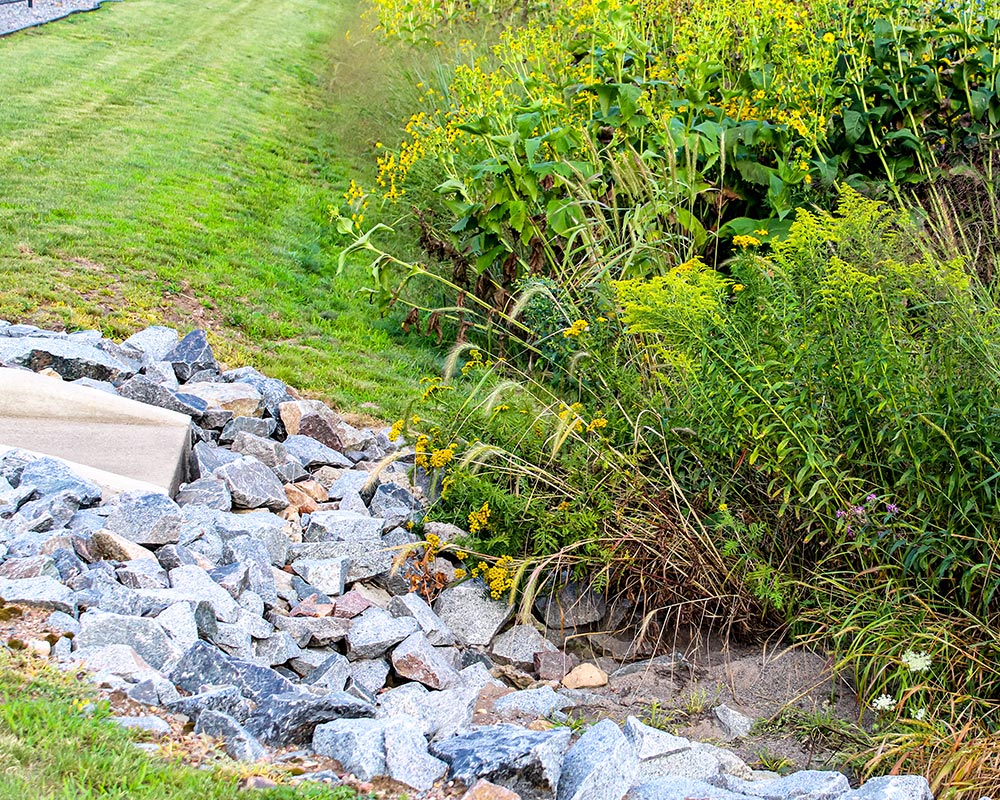
SuDS are designed to manage surface water in a more natural, controlled way – slowing it down, cleaning it and reducing flood risk rather than rushing it straight into pipes. They work with the site, using features like basins, permeable paving, swales and flow controls to manage how water moves across and away from a development.
SuDS are typically required for new developments as part of the planning process, particularly where a scheme could increase surface water runoff or flood risk. The exact requirements depend on local authority policy, site size and ground conditions, but in many cases SuDS are essential to securing planning approval and discharging conditions.
Yes, like any drainage system, SuDS require ongoing maintenance to keep them working as intended. Good SuDS design considers access, inspection and ease of upkeep from the outset, ensuring systems are practical to maintain and suitable for the long-term owner or adopting authority.
They can – but they need a sensible approach. On tight or previously developed sites, we assess levels, ground conditions and existing infrastructure before developing proportionate SuDS solutions. The aim is to improve drainage performance without forcing impractical or over-engineered features into limited space.
Yes, we regularly work alongside planners, LLFAs and other approving authorities, preparing clear drainage strategies and responding to technical queries to help keep applications moving and decisions well informed.
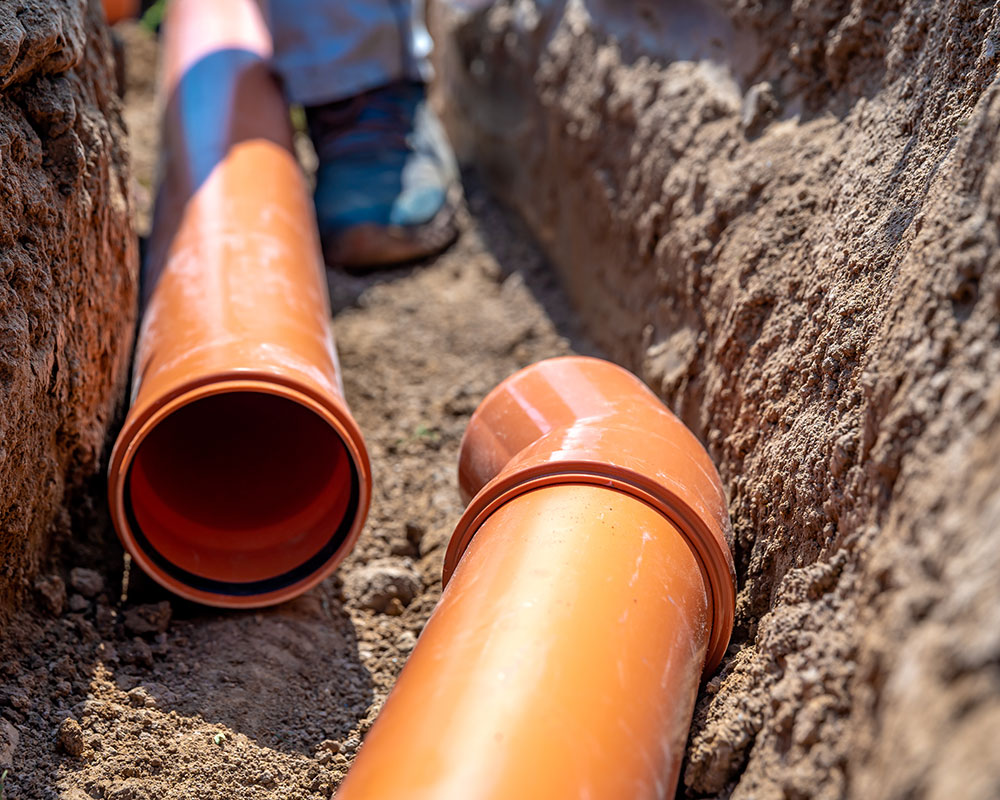
We design a wide range of SuDS components, including attenuation tanks, basins, ponds, permeable paving, swales, flow controls and exceedance routes. The right solution depends on the site – there’s no one-size-fits-all answer.
Where adoption is required, we design SuDS to meet the relevant adoptable standards and coordinate with approving bodies to support the adoption process. We also consider long-term ownership where private maintenance is proposed.
We look beyond basic capacity checks. Our designs consider exceedance routes, extreme rainfall events and how water behaves when systems are under pressure — helping ensure sites remain safe and resilient in the long term.