Sustainability isn’t about adding more – it’s about doing things better. Smarter choices – less waste, better materials, designs that actually last – woven into the engineering plans from the start. At Dudleys, we help projects hit sustainability targets without derailing budgets, programmes or buildability.
Sustainability hasn’t been optional for a long time now. Planners expect it. Clients want it. And increasingly, it’s just good engineering – because efficient use of materials, smart drainage and designs that last are better for everyone. As sustainability engineering consultants, we integrate sustainable thinking directly into civil and structural design. That means:
By dealing with sustainability early – at feasibility, planning and design stage – we avoid the expensive redesigns that happen when someone realises halfway through that the “sustainable solution” doesn’t actually work with the drainage strategy or the ground conditions.
Not every project needs the full green bells and whistles. And sometimes, the most sustainable thing you can do is just design something properly in the first place – so it doesn’t need replacing in 15 years. We work with you to understand what’s actually required (by planning, by policy, by targets) and what’s genuinely achievable given the site, the budget and the construction realities. Then we focus on the measures that add real value – better drainage operation, SuDS strategies, smarter material use and reduced embodied carbon where appropriate, more efficient coordination between civil and structural systems.
This isn’t about greenwashing or hitting an arbitrary score. It’s about engineering decisions that make sense environmentally and practically. And of course, every single suggestion gets thoroughly reviewed internally. Sustainability advice needs to stand up to scrutiny, not just sound good in a covering letter.
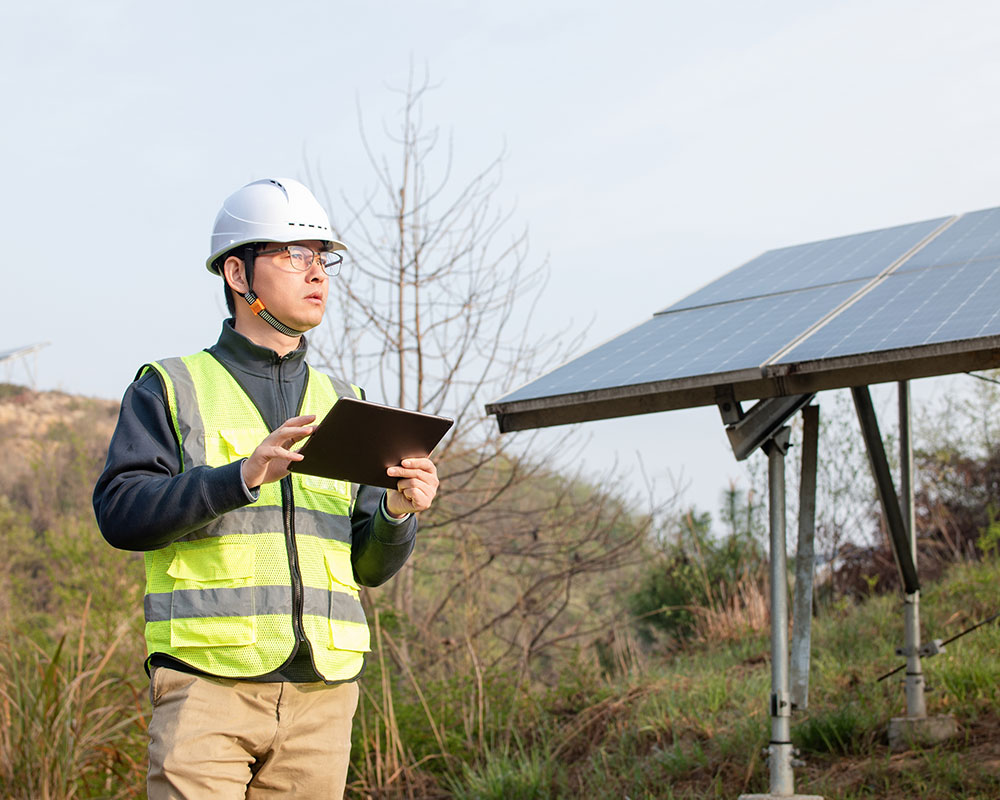
Every sustainability-led recommendation we make is grounded in sound engineering judgement. Our work is assessed against relevant standards, guidance and planning policy, and tested for how it will perform in the real world, not just how it reads in a report.
We give careful thought to:
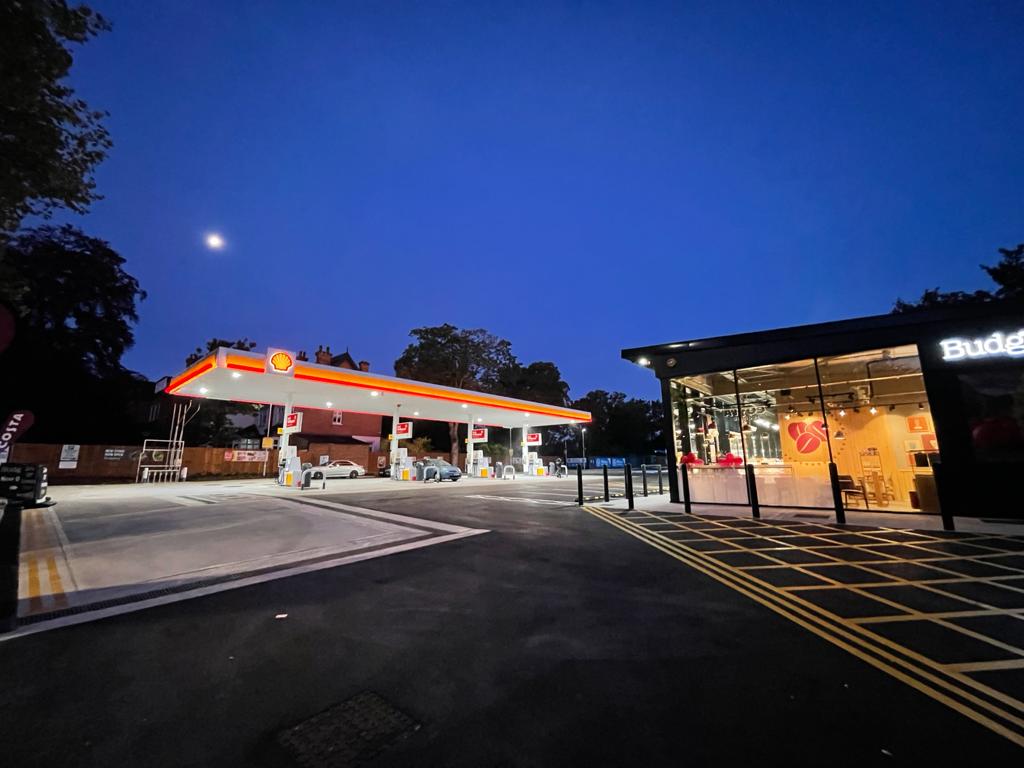
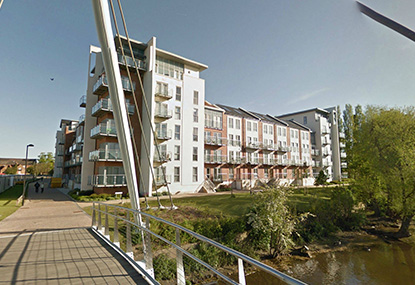
From commercial and industrial schemes to public-sector and regeneration projects, we’ve built our experience where sustainability matters – supporting planning submissions, shaping carbon-efficient designs and working on complex brownfield sites.
Experience delivering sustainability across commercial and public-sector schemes
Sustainability engineering consultants help make sure environmental considerations are built into engineering decisions from the very start. You might also hear this called geoenvironmental engineering. In practice, it means helping project teams design solutions that make sense on site, meet planning and regulatory requirements, and perform well over the long term. Put simply, it’s about balancing what a development needs with sensible use of materials, energy and land – all without overcomplicating the job.
Planning authorities want to see that a scheme manages resources responsibly and considers long-term environmental impact. Sustainable engineering provides clear, defensible evidence around water management, materials, land use and resilience – helping proposals align with policy, answer technical queries early and reduce the risk of objections or delays.
No. While taking full sustainability precautions is often associated with larger schemes, the principles apply at any scale. Smaller projects still benefit from smarter use of materials, better drainage strategies and designs that last longer and cost less to maintain. It’s about proportion, not project size.
Yes. Sustainability is built into our civil engineering work from the outset, particularly across infrastructure and drainage projects. By treating environmental considerations as part of the core design – not an add-on – we deliver practical, long-lasting solutions that align with client objectives, planning policy and regulatory requirements.
Not necessarily – and often the opposite. When considered early, sustainable engineering can reduce material quantities, simplify construction, avoid rework and lower long-term maintenance costs. The key is making sensible, proportionate choices rather than chasing unnecessary features or targets.
The earlier the better! Early involvement allows sustainability considerations to influence layout, structure and strategy before designs are fixed. That’s when the biggest gains can be made – without cost or programme impact.
Yes. We regularly support planning submissions with sustainability input, ensuring statements are technically robust, proportionate and aligned with the engineering design – not generic or disconnected from how the scheme actually works.