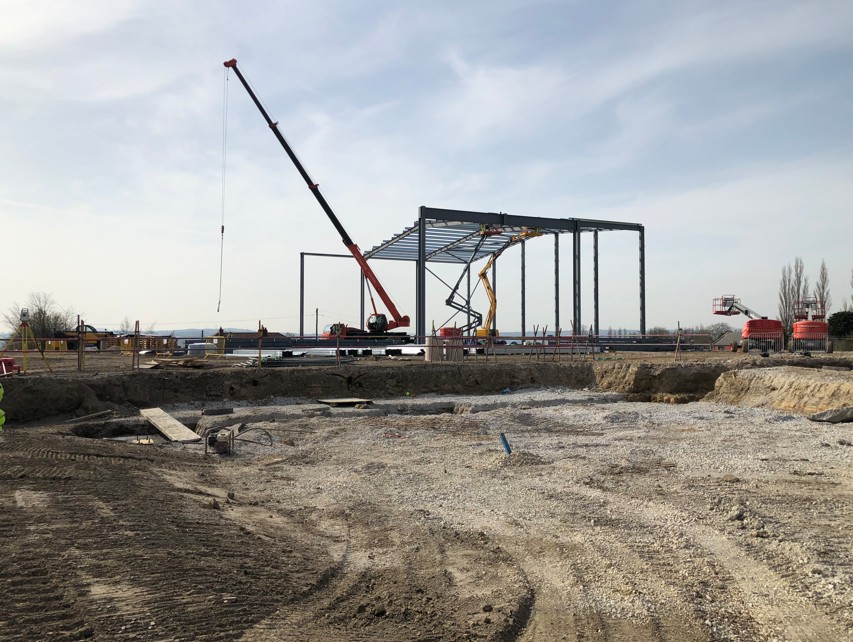
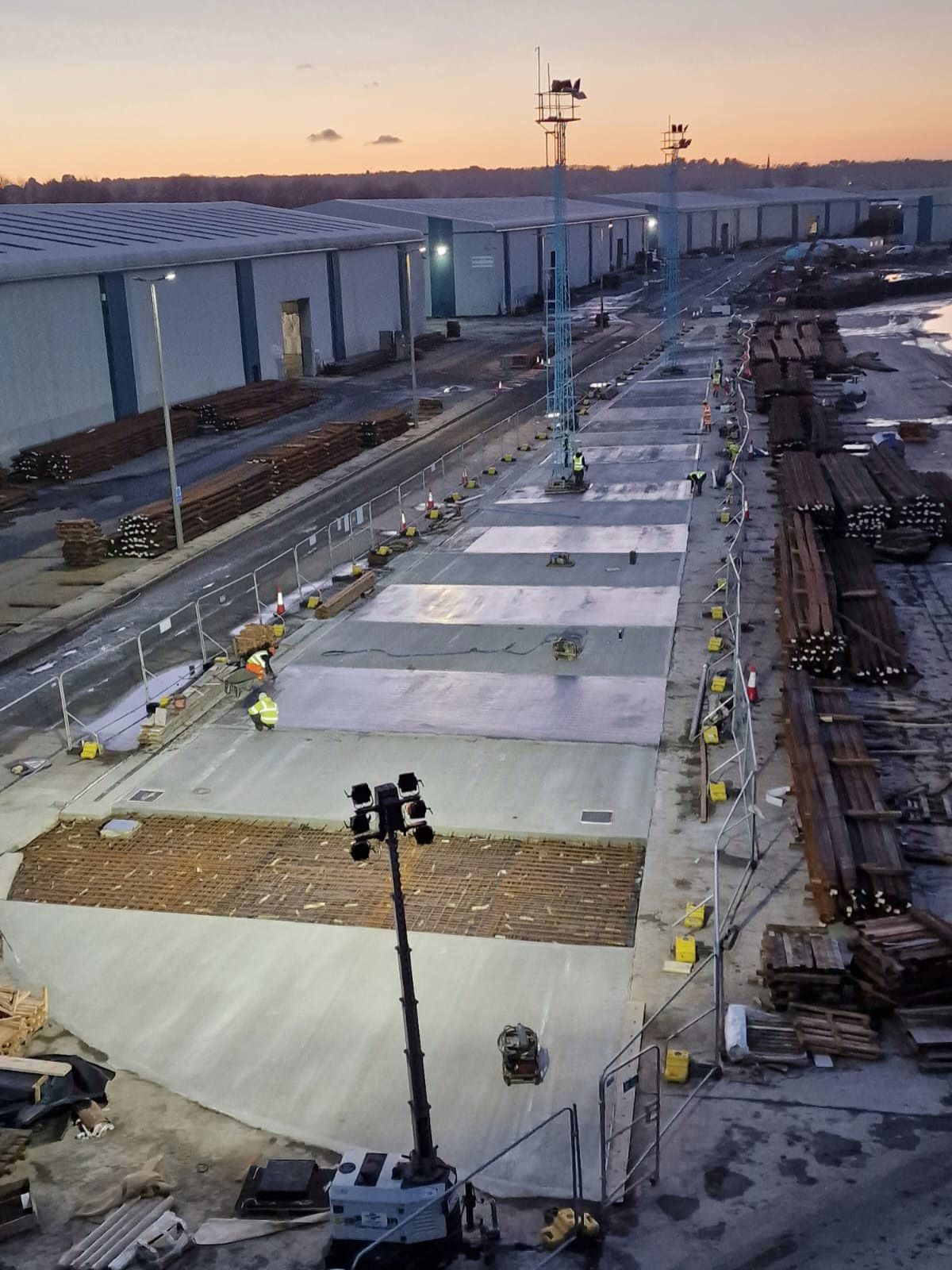
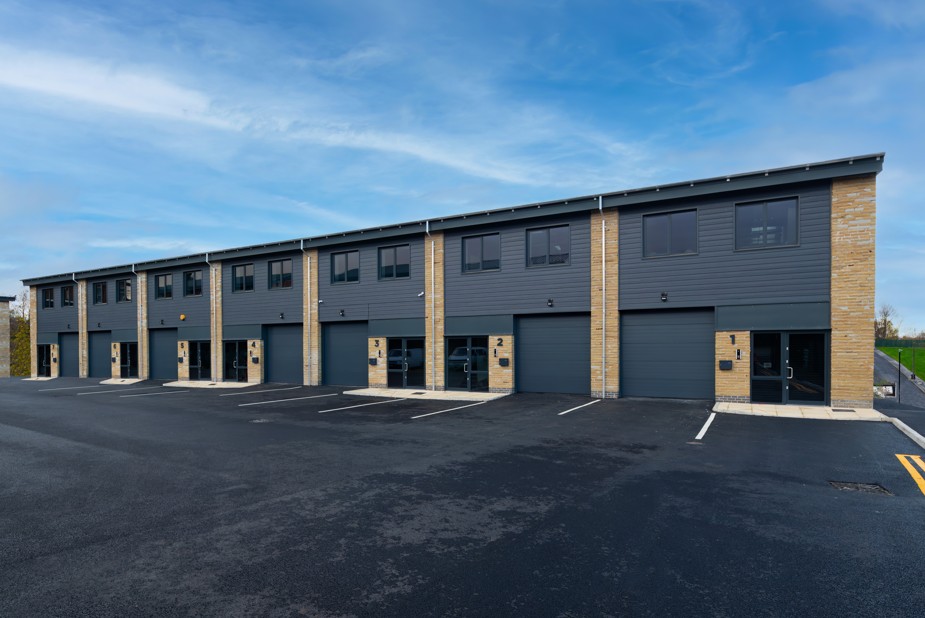
Contamination, unstable ground, made ground, gas, buried structures – brownfield sites come with baggage. That’s why we provide engineering input for site remediation projects – working alongside geo-environmental consultants, contractors and project teams to turn investigation findings into practical solutions that get sites build-ready.
Site remediation starts with understanding what’s actually there, and what it means for the development. From historic industrial use to buried tanks or structures and contamination in soil or groundwater, each site brings different risks, different regulatory obligations and different engineering responses.
The worst remediation outcomes happen when solutions are chosen before the risks are properly understood – expensive over-remediation that wasn’t needed, or under-remediation that surfaces as a planning condition later. We help clients work through the investigation findings, understand what the risks actually are, and develop strategies that are proportionate to those risks rather than defaulting to the most cautious (and costly) option.
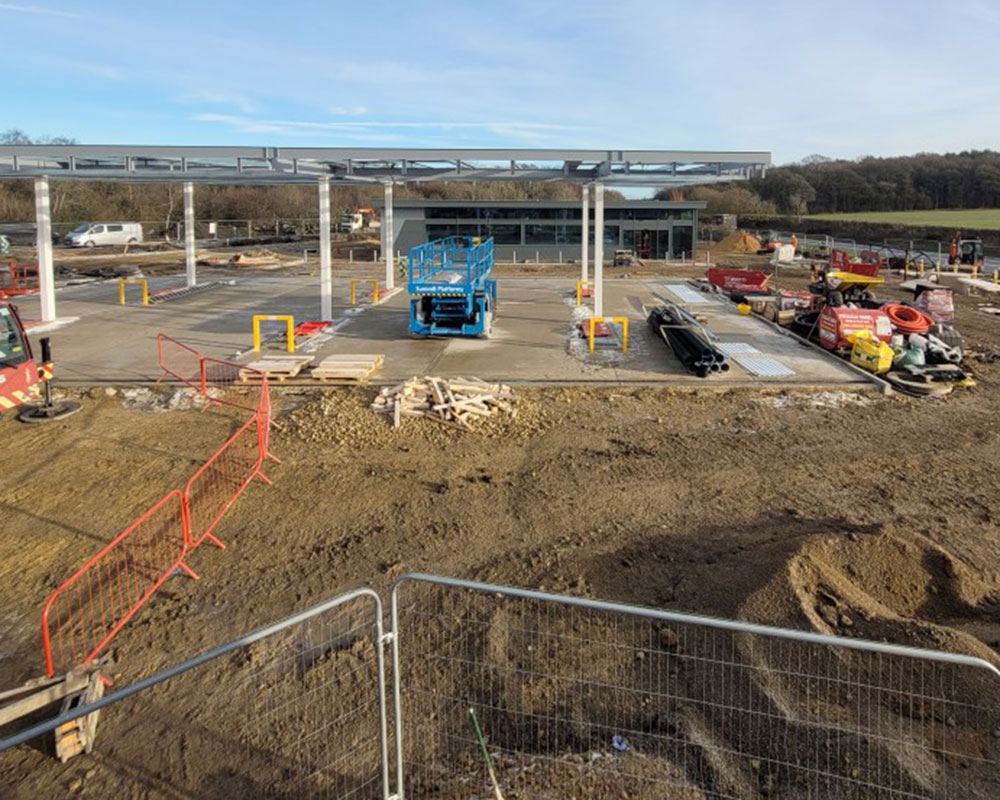
Remediation isn’t finished when the report’s written. It’s finished when the site is safe, compliant and ready for the next stage of construction. That distinction matters – because remediation solutions that look fine on paper but create problems for the build aren’t actually solutions.
We get involved early – at feasibility and planning stage – to make sure remediation strategy is developed alongside the engineering, not separately from it. Similarly, we connect remediation into our wider structural, civil and drainage design services – so there’s one coordinated team working through the ground-related challenges rather than separate consultants who don’t talk to each other.
Brownfield development is rarely straightforward. The sites that develop successfully are the ones where ground risks are identified early, remediation strategy is developed with the build in mind and the engineering team is equipped to respond quickly when unexpected conditions emerge – because on brownfield, they usually do.
That’s the kind of service we provide: experienced, practical, and calm when the ground doesn’t cooperate. We support:
We’re a trusted, award-winning structural and civil engineering consultancy with experience across a wide range of sectors and site types. We’ve supported developments where the ground conditions are straightforward, and ones where they’re anything but.
Clients choose us because we keep things practical. We don’t disappear behind long chains of emails or complicated processes, you get direct access to engineers who respond quickly when decisions need to be made. We also bring strong regional knowledge, particularly across Yorkshire, knowing how to work effectively with local authorities, contractors and project teams to keep remediation and development aligned.
Whether the project is small and contained or complex and multi-phase, we’ll help you get there with clear, contractor-friendly engineering input.
Land where substances in, on or under the ground could cause harm to people, buildings, controlled waters or the environment. It’s usually the result of historic industrial use, storage, demolition or made ground – common on brownfield and regeneration sites.
The first step is usually a desk-based risk assessment reviewing historic maps, site records and environmental data. If potential risks are identified, ground investigations – such as boreholes, trial pits and laboratory testing – help confirm what’s actually present and whether it poses a material risk to the proposed development.
Responsibility depends on ownership and site history, but in most development projects the party bringing the land forward must demonstrate that it is safe and suitable for its intended use. Local authorities typically attach planning conditions requiring investigation, risk assessment and, where necessary, remediation before construction can proceed.
As early as you like. We often support projects from feasibility and concept stage, helping shape wall layouts, structural strategies and key interfaces before designs are locked in. Early input brings clarity, reduces uncertainty and can save time and cost further down the line.
Yes. We support developers in responding to planning requirements by coordinating investigations, reviewing risk assessments, contributing to remediation strategies and ensuring engineering designs reflect ground conditions.
Absolutely. We frequently collaborate with geo-environmental specialists, translating site investigation findings into workable foundation designs, drainage strategies and construction approaches. Good coordination between disciplines avoids over-engineering and keeps risk management proportionate.
Ground conditions can directly influence foundation type, bearing capacity, ground improvement requirements and drainage discharge options. Contamination may also affect how excavated material is handled or reused. Early understanding of these constraints allows structural and civil designs to respond sensibly – rather than reactively.
It can, particularly if risks are discovered late. Early assessment and clear strategy help avoid unexpected redesign, disposal costs or regulatory hold-ups during construction. Addressing ground risk upfront protects the programme and budget.
Yes. We regularly work on brownfield and regeneration projects where historic land use, made ground and environmental constraints are part of the picture. Our approach is measured and pragmatic – identifying what genuinely needs addressing and designing solutions that make sites build-ready without unnecessary intervention.