Leeds Bradford Airport
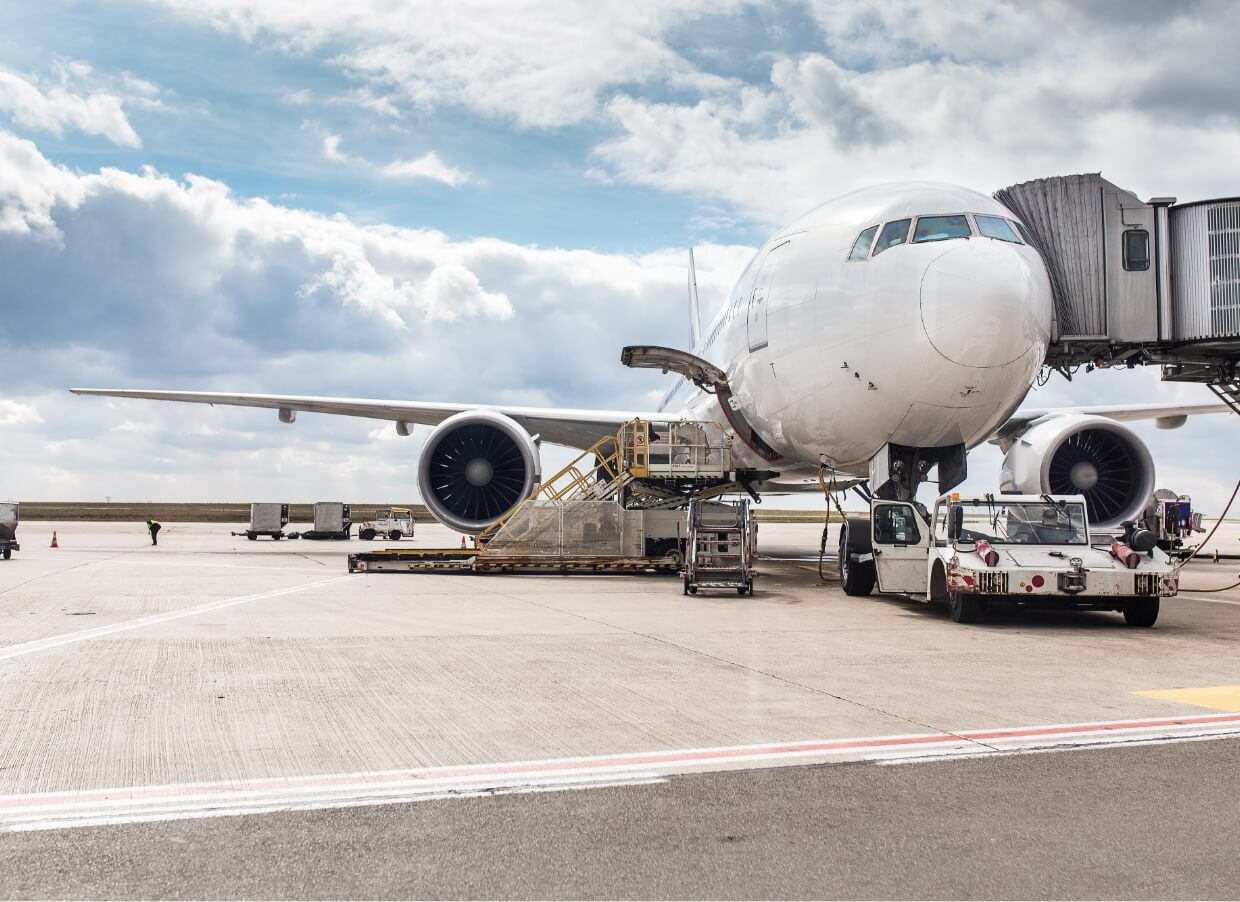
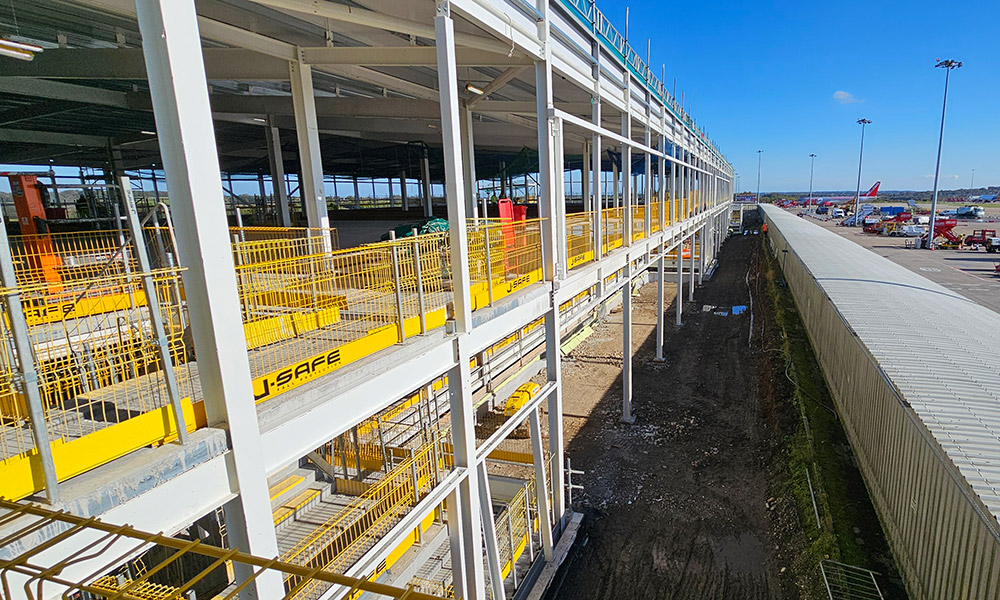
Leeds Bradford Airport has experienced significant growth in passenger numbers over recent years, placing an increasing pressure on its existing terminal facilities. Originally developed through multiple extensions dating back to the 1950s, the building had become fragmented, inefficient, and unable to meet modern passenger demand.
This resulted in poor passenger flow, overcrowding, and limited retail and hospitality offerings. To improve the overall travel experience, the airport required a deep redevelopment project to create a unified terminal, capable of supporting increasing passenger numbers and improving comfort and accessibility for all users.
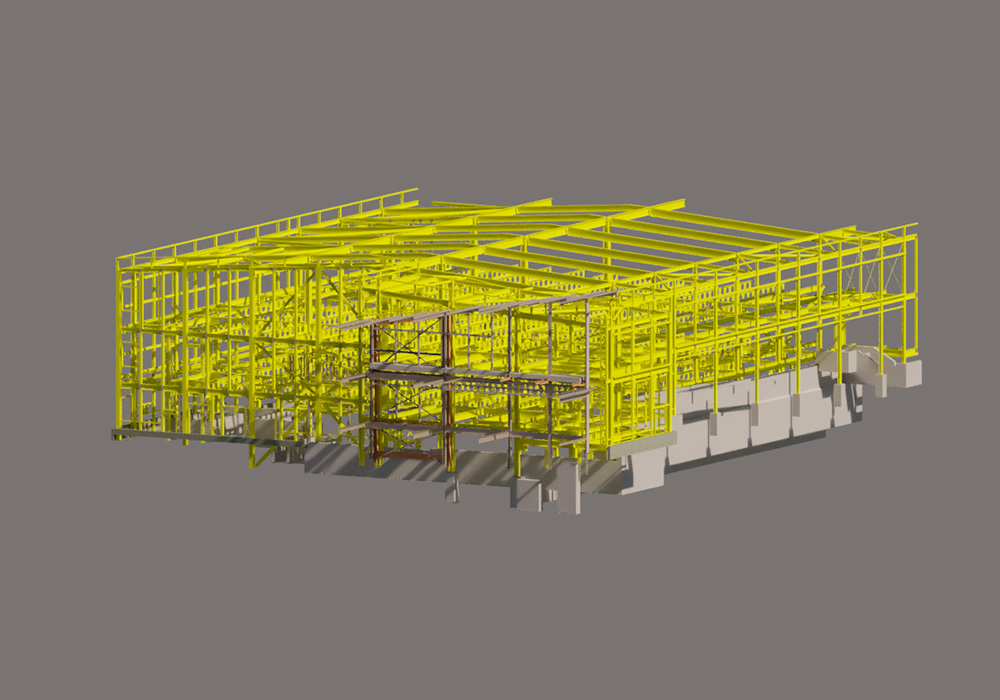
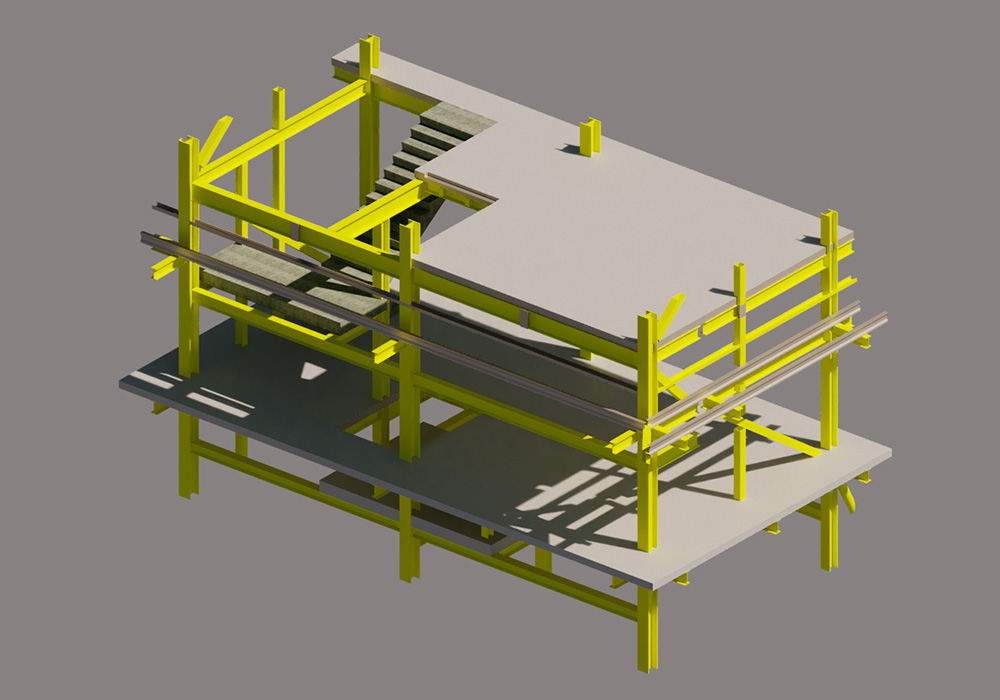
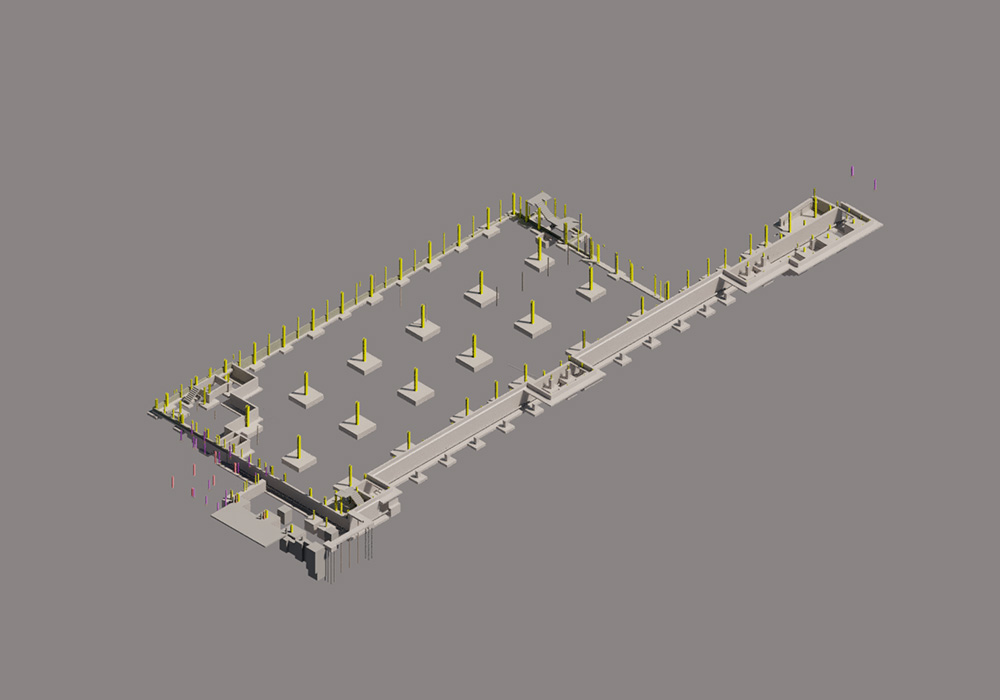
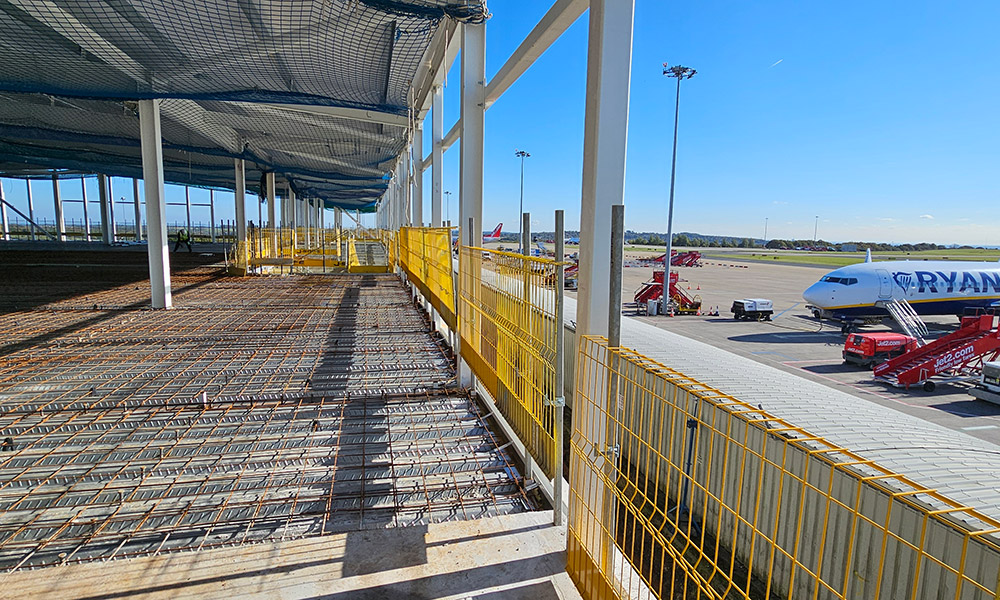
Dudleys played a key role in supporting the transformation of the airport into a cohesive, open-plan environment. Our approach focussed on refurbishing the existing structure while integrating a new three-story extension, complete with a basement level for advanced baggage handling systems.
By addressing structural constraints, such as internal walls and columns, the design significantly improved passenger flow, spatial efficiency. The redevelopment also introduced expanded retail, food and beverage areas, helping the airport better serve passengers while maximising commercial potential as a key regional transport hub.
“Dudleys have done brilliantly”
The redevelopment of Leeds Bradford Airport is a significant investment in passenger experience and the surrounding community. By replacing a series of disjointed extensions with a unified terminal, we are proud to have created a project which has created a more intuitive, accessible environment for travellers, including families, elderly passengers, and those with reduced mobility. The redesign also improves passenger flow, helping to reduce congestion, while expanding retail, duty-free, and food and beverage facilities to enhance the overall airport experience.
One of the main challenges for the construction team was the sheer variety of construction methods used across the existing buildings, which made it difficult to fully understand what was already in place. With incomplete historical records, extensive investigations were required to assess structural integrity and identify legacy materials such as Chiprete and Siporex. This process was essential to ensure the building met modern safety and compliance standards, particularly in line with the Building Safety Act.
Construction within a live airport environment also required careful coordination to minimise disruption to passengers and staff. Despite these challenges, the project has delivered improved circulation, increased capacity and amenities. In doing so, it supports further regional economic growth while aiming to balance operational efficiency with the needs of local communities affected by increased airport activity.
The project started in 2018, with phased works to allow the airport to remain operational while construction progressed.
Key challenges included integrating new and existing structures, working with incomplete historical data, and maintaining safe operations within a live airport environment.
Extensive investigations ensured all existing structures met modern safety and compliance standards, particularly in line with the Building Safety Act.
By improving operational efficiency and increasing passenger capacity, the airport supports regional economic growth. Local employment opportunities during and after construction also benefit the community.
We start by fully understanding the client’s operational needs, passenger flow, and long-term growth plans. Our team assesses existing infrastructure, identifies challenges, and develops tailored engineering solutions to create safe, efficient, and user-friendly terminals.
Airports are complex, live environments. Any work must minimise disruption to passengers, staff, and airlines while meeting strict safety, compliance, and operational standards. We combine careful planning with flexible design solutions to achieve this balance.
We conduct detailed site audits, study current and projected passenger volumes, and map movement patterns. Using this data, we optimise layouts for check-in, security, baggage handling, and boarding to improve circulation and minimise congestion.
Older airport terminals often have a mix of construction methods and incomplete records. We perform thorough investigations to assess structural integrity, identify materials, and recommend safe, cost-effective refurbishment or integration solutions.