Engineered for productivity. We provide structural and civil engineering for warehouses and industrial sites that support heavy loads, large spans and constant activity, ensuring your facility works as hard as the business inside it.
Warehouses and industrial facilities don’t get days off. Forklifts running constantly. Racking systems carrying serious loads. HGVs turning up at all hours. And when something goes wrong structurally – a floor that can’t take the racking load, drainage that floods the yard, a frame that can’t be extended when the business grows – it costs serious money.
We design around how your facility actually functions. Not off-the-shelf frames, but structural layouts shaped by racking loads, handling equipment, internal circulation and future expansion. Before the steel is fixed, we understand how goods move through the space – and design to suit.
Industrial sites rarely stand still. Businesses grow, tenants change, operations evolve – and often the smartest move is to adapt what’s already there. Extend the footprint. Strengthen the floor. Add a mezzanine. Rework the yard or loading bays.
But before anything’s designed, the real question is: what can the existing structure actually handle? We assess frames and foundations, check capacity and plan how new works tie in without causing settlement, movement or water issues. Just as importantly, we think about sequencing – how to deliver the upgrade while the operation keeps running. From structural assessments and strengthening design to service coordination and phased construction advice, we help industrial buildings evolve without unnecessary disruption.
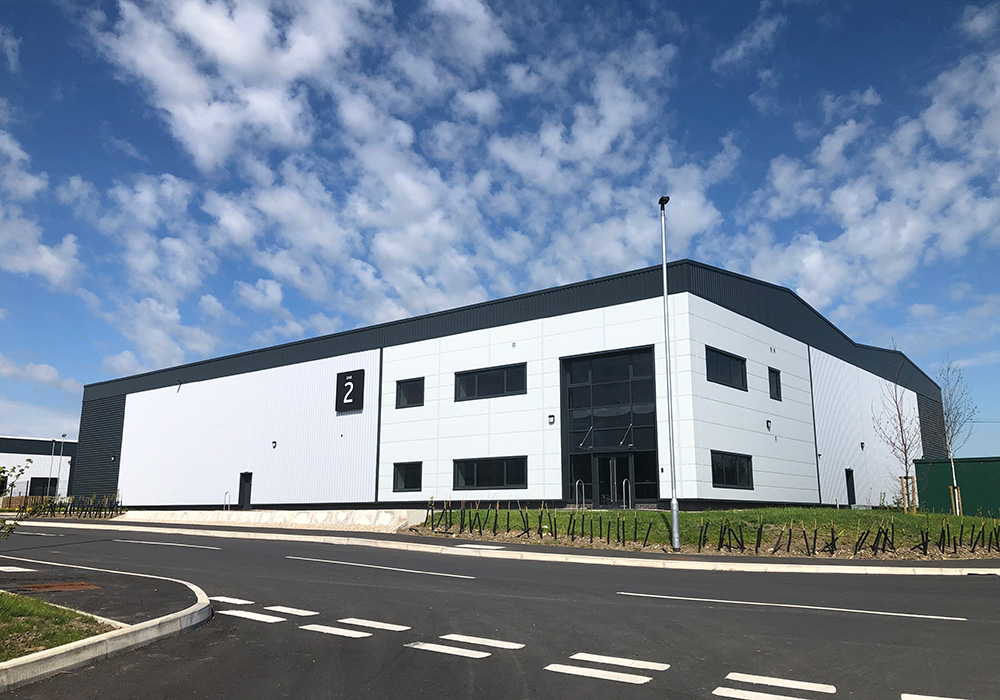
A warehouse that looks right on a drawing but doesn’t work for the operation is a failure. Floor joints in the wrong place create forklift damage. Column positions that interfere with racking layouts waste floor space. Drainage that can’t handle the yard area causes flooding. Loading bay levels that don’t suit the trailer heights cause operational problems from day one.
We involve ourselves in the operational brief – not just the structural brief. Understanding how a facility will be run informs every structural and civil decision we make, from column grid to yard gradient. We handle:
Our approach combines technical experience with a practical grasp of operations and construction realities.
Our aim is to help deliver industrial buildings that are straightforward to build, simple to operate and capable of adapting as requirements change.
Industrial engineering for warehouses focuses on making sure buildings work properly for the people and operations inside them. This includes structural and civil design for strong foundations, wide open floor areas, smooth vehicle movement and well-planned external works, all geared towards safe, efficient and long-term use.
Early involvement helps assess ground conditions, site constraints and operational needs before major decisions are fixed. This early insight can shape layouts, reduce risk and help avoid costly redesign during construction or operation.

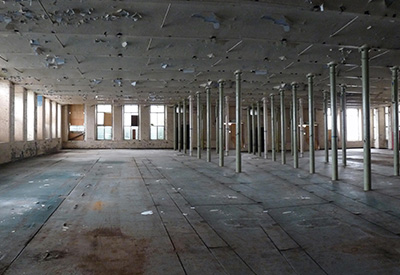
Yes, many projects involve adapting what’s already there. We regularly assess and design for warehouse expansions, internal reconfigurations and adaptive reuse, carefully tying new work into the old while keeping disruption to day-to-day operations to a minimum.
We assess the specific racking strategy, load heights and forklift types before finalising the structural design. That allows us to size slabs, frames and foundations correctly from the outset, avoiding costly strengthening later when the warehouse fit-out begins.

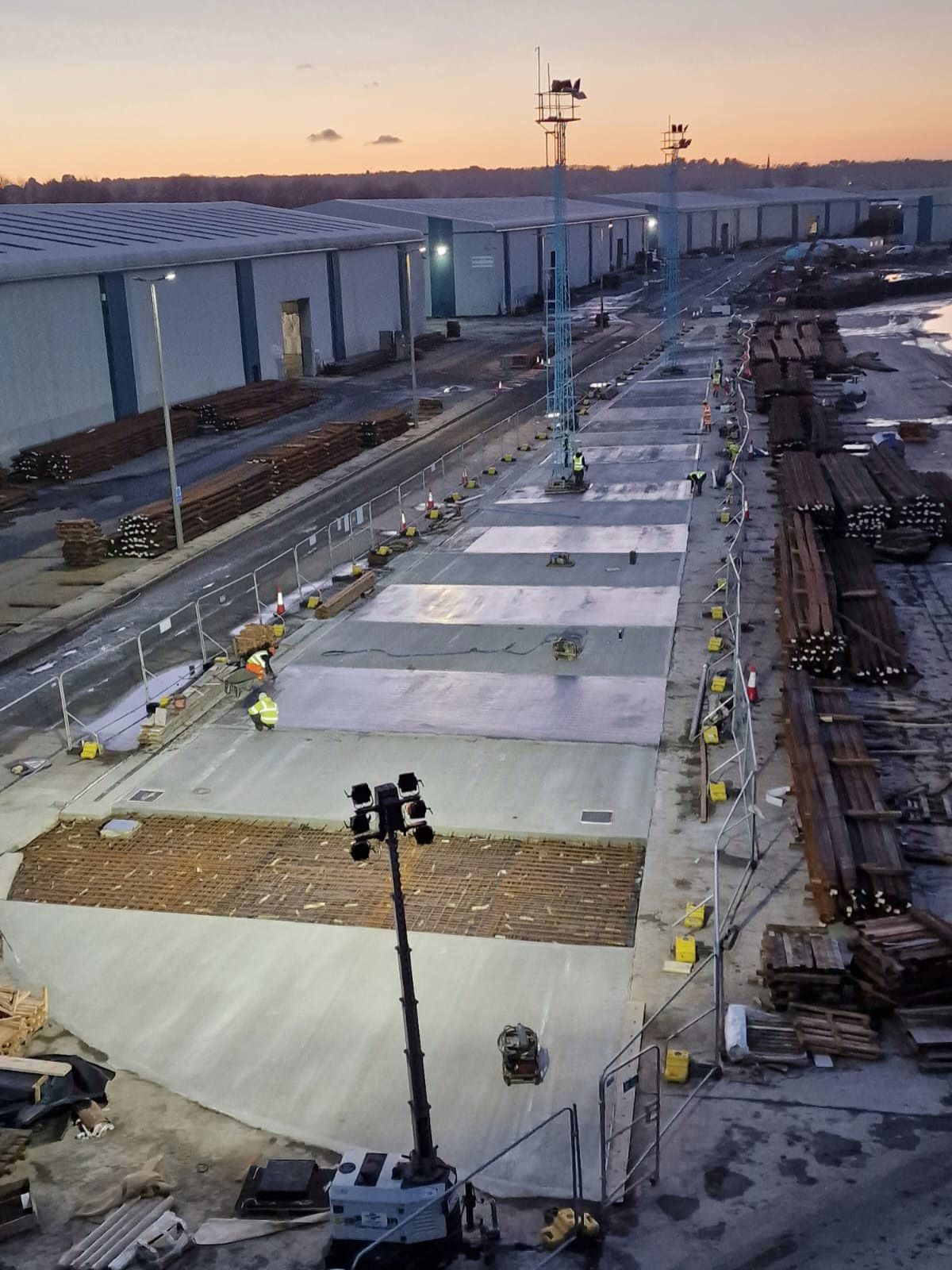
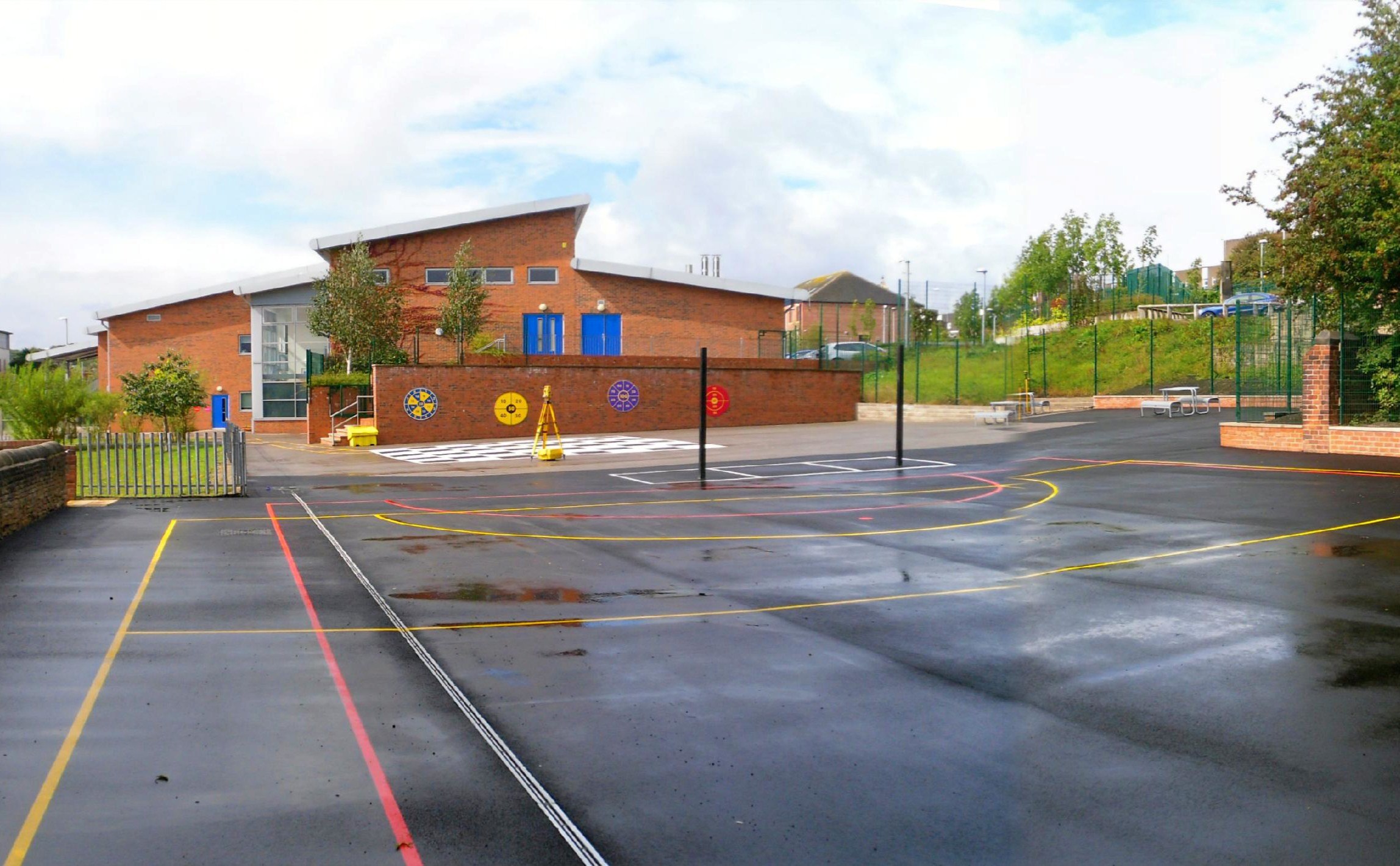
Absolutely. Yard design is critical to warehouse performance. We consider swept paths, trailer parking, dock levellers, turning circles, drainage and pavement construction so heavy vehicles can operate safely and efficiently without premature surface failure.
Yes. We support planning submissions, drainage strategies, highway agreements and coordination with statutory authorities, helping industrial schemes progress smoothly through approvals.
We review site investigations early and advise on appropriate foundation strategies, ground improvement or slab solutions. Industrial sites often involve ground or brownfield constraints, so understanding the ground is fundamental to controlling risk and cost.